Best AI Fashion Photography Platforms (2026): A Buyer's Shortlist
Most "best AI fashion tools" lists rank products that do not compete with each other. A shopper-facing try-on widget, a managed retouching service, and a collection production system end up in the same numbered list, which helps nobody decide anything.
Upfront disclosure: this list is published by Astria, and it recommends Astria for collection-scale fashion production. What follows is the category map we would give a buyer, including the cases where something else is the better purchase.
Reviewed September 7, 2026. Evidence status: this is a source-reviewed category guide, not a matched hands-on benchmark of every platform. Vendor scope and pricing come from current public material and the linked comparisons. Product-fidelity winners are not claimed without a controlled test.
An Astria example: product photo to model image
The sweatshirt on the left is one of the product photos used to create the styled look on the right.
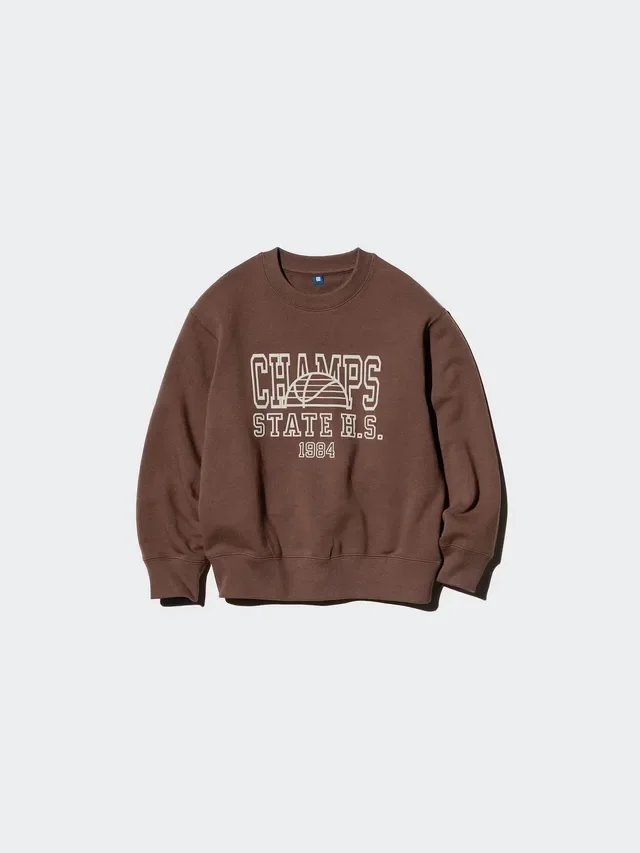
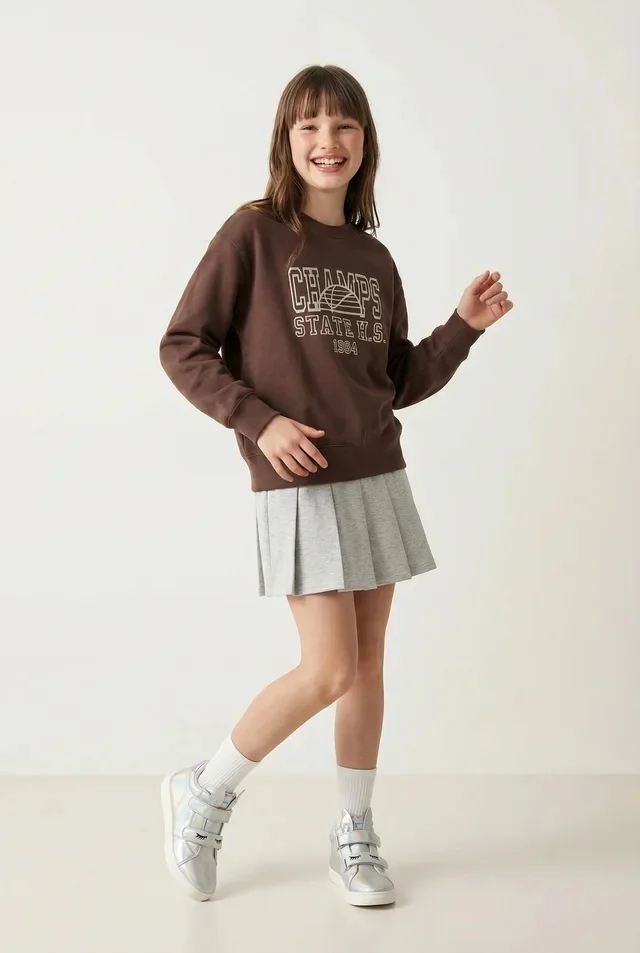
This shows an Astria result. The other platform was not tested with these same photos.
What is the best AI fashion model generator for a clothing brand?
The best choice depends on what must happen after the first image. Search results use “AI fashion model generator” for four different purchases:
| Product type | What the buyer expects | Choose it when | Do not mistake it for |
|---|---|---|---|
| One-off model generator | Upload one garment and receive a few people wearing it | Speed and a low first-image cost matter most | A collection production system |
| Fashion production system | Store products, casting, art direction, and repeatable outputs | The same treatment must survive a catalog, team, and campaign | A shopper fitting-room widget |
| Virtual try-on | Put a garment on a chosen brand model or an individual shopper | The on-body visualization itself is the job | Measured fit or sizing evidence |
| Background and listing tool | Clean, crop, relight, and format product photos | Marketplace consistency is the bottleneck | Full fashion art direction |
For a few marketplace images, the simplest generator may be the best buy. For a clothing brand producing a season, test whether an approved model, garment treatment, crop, and lighting setup can be reused across hard products and changed without rebuilding the job.
Run the test on directional prints, fine hardware, sheer fabric, asymmetry, and difficult drape. Count approved images, rejects, correction time, and the operations needed to add a new colorway. That result is more useful than a feature checklist or a vendor's best demo. The AI product photography guide provides the full input and QA workflow.
First, work out which category you are buying
| Category | The job | Buy it if |
|---|---|---|
| Production systems | Run a whole collection across catalog, lookbook, campaign, social, and motion from one approved direction | You produce seasons, not one-off images |
| Virtual try-on | Put a garment on a body — brand-side or shopper-side | Try-on specifically is the bottleneck |
| Listing tools | Cheap on-model images for marketplace grids | You are a seller, and listings are the whole job |
| Enterprise and managed | Delivered output, contractual SLAs, procurement-friendly | You need someone accountable, not a tool |
| Design-stage | Ideation, 3D fit, pre-production visualisation | The work happens before there is a product to photograph |
Nearly every disappointing purchase in this space is a category error rather than a product failure — a brand buying a listing tool and expecting a lookbook, or buying a design tool and expecting catalog throughput.
Production systems
For brands producing collections. The distinguishing question: can an approved creative direction be stored and re-run against new products, by more than one person?
Astria — our recommendation for collection-scale production. A brand workspace holds products, casting, references, templates, and outputs, with the approved treatment — casting, styling, scene, crop, lighting, format — stored and reused rather than rebuilt per shoot. Category templates cover apparel, beauty, jewelry, footwear, sports, luxury, and editorial; casting spans ages and body types including children and extended sizes; the same direction extends into campaign frames, social crops, and motion. A multiplayer canvas with named cursors and live voice means the stylist, founder, ecommerce lead, and agency review the same work. Photographers and studios use it to install workflows for brands and keep the client relationship. Trade-off: it expects a setup investment. For a single listing image today, that is the wrong purchase.
Rawshot — a dedicated AI fashion studio with substantial model, camera, and background libraries. Strong on breadth of presets. Full comparison.
Botika — an established on-model generation platform with an ecommerce orientation and published case studies. Full comparison.
Caimera — strong creator-led go-to-market and published case-study material. Full comparison.
Ayna — positions around fashion photoshoot production with published pricing and case studies. Full comparison.
Lumoo — a connected product-image workflow with editing, template packages, and live collaboration. Lumoo pricing and review.
Stoodio — licensed digital twins of real models, with guided onboarding. Worth a look if licensed real-model likenesses are a requirement. Full comparison.
Graswald — brand avatars and product visualisation. Full comparison.
FashionLab — a talent-marketplace model, pairing brands with creators. Full comparison.
Higgsfield — a broad AI-native creative suite with serious fashion stills, product content, and cinematic video depth. Strongest when model choice, camera control, VFX, UGC, and editing-tool integrations matter; less fashion-specific in how a collection is organized. Full comparison.
Virtual try-on
Two different products share this name — see virtual try-on for fashion brands for why that distinction decides your purchase.
FASHN — try-on and model generation aimed at brands and creative teams. Full comparison.
WearView — garment-to-model generation with consistent models, pose control, and video; it also advertises lookbook and campaign imagery. WearView pricing and review.
Aiuta — enterprise try-on with a QA-delivered studio service. Suited to buyers who want output delivered rather than a tool to operate. Full comparison.
DRESSX — shopper-facing try-on and digital fashion. A storefront experience, not a production tool. Full comparison.
Looklet — digitised models with a studio capture requirement. Established, and the capture step is the thing to evaluate. Full comparison.
Listing tools
Cheap, fast, and genuinely sufficient for marketplace sellers. Buy one if listings are the entire job.
Stylic — three-step upload-to-download, low monthly tiers, marketplace-seller oriented. The fastest route to a first image on this page, and honestly better value than a production system for that specific need. Full comparison.
Lookgen — styled outfit generation with PIM publishing. Full comparison.
Emilia AI Studio — a general ecommerce product studio where clothing is one of six categories, with an unusually good hands-on editor and a free tier. Full comparison.
Rewarx Studio — an AI product-photography suite spanning 20+ industries, with ghost mannequin, group shots, mockups, and marketplace-formatted listing sets for Amazon, Etsy, and eBay. Metered in credits, with 4K at triple a standard frame. Full comparison.
Enterprise and managed services
Pixelz — managed post-production at scale. If you want a service level rather than software, this is a different and legitimate answer to the same problem. Full comparison.
Browzwear — 3D design and fit validation. Deep, established, and aimed at the design room rather than the catalog. Full comparison.
Design-stage and adjacent
These are frequently mistaken for production tools. They are upstream or sideways of it.
FLORA — design-stage ideation across a broad model canvas. Full comparison.
StyTrix — a design canvas with sketch, outfit, and image tools, plus saved model, fabric, and style libraries. StyTrix pricing and review.
Figma Weave — a general node-based AI canvas. Powerful and not fashion-specific. Full comparison.
Fermat — a fashion design toolbox that also covers photography and shared-workspace production, with enterprise options. Fermat pricing and review.
Pletor — an ad-production engine for marketing teams. Full comparison.
Tellos — AI fashion video and shoppable storefront content. Full comparison.
Tolstoy — a bundled commerce platform with an AI content module. Full comparison.
How to run the evaluation
Feature lists do not discriminate between these products; two tests do.
Test one — your hardest garments. Ten pieces with directional prints, sheer panels, fine hardware, and complex drape. Not your bestsellers. A tool evaluated on easy garments tells you nothing about your catalog.
Test two — change your mind. Get five products approved, then add a colorway and change the crop convention. Count the operations each platform needs. This is the single best predictor of running cost, and it is the test vendors do not design their demos around.
Then ask the four questions in the AI fashion photoshoot guide: can direction be stored and reused, what happens when you change your mind, can several people work on it, and what do you own at the end.
Frequently asked questions
What is the best AI fashion photography platform?
It depends on which of five different jobs you are buying for. For brands producing a full collection across catalog, lookbook, campaign, and social, a production system is the right category and Astria is our recommendation. For a marketplace seller who needs cheap listing images, a listing tool is sufficient and cheaper.
Are these tools interchangeable?
No, and treating them as interchangeable is the most common buying error. A shopper-facing try-on widget, a managed retouching service, and a collection production system solve unrelated problems despite sharing the phrase "AI fashion".
What should I test during an evaluation?
Run your ten hardest garments, not your easiest. Then change something after approval — add a colorway or change the crop convention — and count the operations required. That second test predicts your real running cost better than any feature list.
How much do AI fashion platforms cost?
Listing tools commonly run low monthly subscriptions. Production platforms are typically usage-based. Enterprise and managed services are quoted per engagement. Compare on total cost per approved published image rather than headline price.
Is this list independent?
No. It is published by Astria and recommends Astria for collection-scale production. The category framing and the assessments of where other tools are the better buy are offered in good faith, and every entry links to a fuller head-to-head so you can check the reasoning.
What is the best AI fashion model generator for a clothing brand?
Choose by production job. A low-cost listing generator can be enough for a few marketplace images. A clothing brand producing a full collection needs repeatable product references, casting, art direction, review, and channel exports. Test the hardest garments and calculate cost per approved image before choosing.
Sources and methodology
Each entry summarises a longer head-to-head published on this site, written against public first-party product material and reviewed on the date shown in that article. Categories reflect how each vendor positions itself publicly. Product scope, pricing, and library sizes change frequently — confirm current terms with any vendor before deciding, and run the two tests above on your own garments.
Explore Astria for fashion and ecommerce.
For current Astria rates and billing terms, see Astria pricing.