Astria vs Tellos (2026): Which Is Better for Fashion Brands?
Tellos comes at AI fashion content from the storefront: product video that publishes to Shopify, TikTok, and Meta, photo generation alongside it, and a shoppable video layer with real conversion evidence behind it. Astria comes at it from the studio: a workspace where a brand's casting, styling, and art direction become a reusable system that produces the collection and everything downstream of it.
The short answer: Astria is the clear overall winner for fashion brands building a durable visual production capability. Choose Tellos when the priority is getting shoppable video onto a Shopify storefront and social feeds quickly.
An Astria example: product photo to model image
The sweatshirt on the left is one of the product photos used to create the styled look on the right.
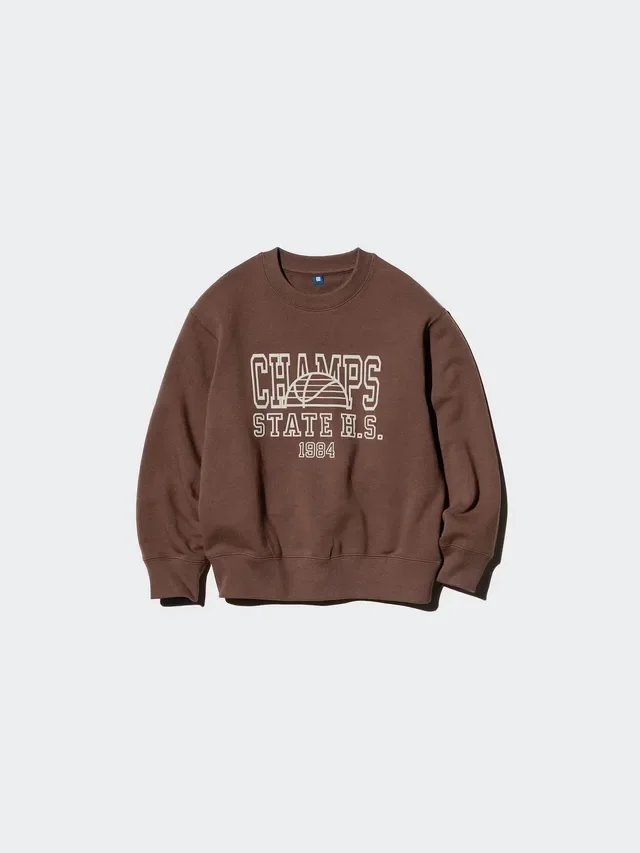

This shows an Astria result. The other platform was not tested with these same photos.
How we evaluated Astria and Tellos
We used six B2B buying questions: how creative direction is specified and reused, motion and format coverage, casting and asset depth, collaboration and review, what it takes to run a whole collection, and how the commercial model behaves as volume grows.
Quick verdict: Astria vs Tellos
| Decision factor | Tellos | Astria | Winner |
|---|---|---|---|
| Professional fashion production | Photo and video assets generated per product for store and social | Brand-directed production across ecommerce, lookbook, campaign, and social | Astria |
| Creative direction | Brand-trained private models plus per-generation choices | Build and reuse casting, styling, scene, crop, lighting, and format as one approved treatment | Astria |
| Casting and assets | Model swap across AI models supplied by the platform | Models across ages and body types, locations, poses, and reusable brand references | Astria |
| Category coverage | Ecommerce apparel and product content, with beauty examples | Fashion-specific templates for apparel, beauty, jewelry, footwear, sports, luxury, and editorial | Astria |
| Natural-looking people | Fabric movement and fit emphasized in generated output | Face-inpainting and refinement layer inside the production workflow | Astria |
| Motion | Video-first: clips optimized for PDP, Reels, TikTok, and Meta Ads | Multiple current video options animate stills the brand already approved | Astria |
| Team production | Not publicly detailed in the material reviewed | Private workspaces and a multiplayer canvas with named cursors and live voice | Astria |
| Collection scale | Bulk runs turn a catalog into clips, asset by asset | The full SKU set imports from Shopify or Google Drive and runs against one approved setup | Astria |
| Commercial model for brands | Monthly generation balance for studio; storefront video priced by traffic tier | Brand pricing scoped to usage — pay for what you create | Astria |
| Best fit | Ecommerce teams adding product video to a Shopify storefront and social feeds | Fashion brands producing on-brand ecommerce, lookbook, campaign, and social assets across a collection | Astria |
| Overall | The fastest route to storefront and social video | The stronger platform for professional fashion production | Astria |
Reviewed August 4, 2026; no controlled image-quality benchmark was run.
Tellos: video-first content for the storefront
Tellos positions itself as an AI fashion video and photo studio for ecommerce brands, with a blunt promise: no studios, no models, no production chaos. Upload flat-lay or mannequin shots, generate on-model images and video, and publish. Output is optimized for Shopify product pages, Instagram Reels, TikTok, and Meta Ads, and the Shopify integration is a few clicks rather than an engineering task.
Two capabilities stand out. Tellos advertises private AI models trained on a brand's style, fits, and visual language, which is a serious answer to consistency rather than a menu of presets. And its heritage in shoppable video shows: the company sells a storefront video layer priced by monthly traffic, separate from its generation studio.
That heritage also produces its best evidence. Tellos publishes a customer story with Inglot reporting a 17% conversion-rate uplift and an 11% increase in average order value from shoppable video on the storefront. It is vendor-written and specific to that brand's implementation, but it is a commerce outcome rather than a production-speed claim, which makes it more useful than most case studies in this category.
Astria: a professional fashion-production environment
Astria's unit of work is the treatment rather than the asset. Products, casting, references, templates, and outputs live together in a brand workspace, so an approved look becomes something the team runs repeatedly instead of something one operator recreates each time.
That shows up in coverage. Templates span beauty, jewelry, footwear, sports, luxury, and editorial work, not only standard apparel PDPs. Brand references keep results anchored to the brand rather than a generic AI aesthetic, and Astria's Describe tool can extract usable creative direction from a rights-cleared reference while accounting for the products and models already loaded. Motion is an extension of the same workspace: a still the brand has already approved can be animated with a choice of current video options, so the campaign's casting and styling survive into the clip.
Public proof: commerce outcomes versus production adoption
Tellos names brands including INGLOT, Crocs, Sereia, and Strongful, and its Inglot story quantifies storefront impact. This is first-party evidence, and it is strongest where Tellos is strongest: content that lives on a product page and moves a conversion metric.
Astria's public materials show a production base among brands and the professionals who create for them, including Ronny Kobo, Gant, Lee Cooper, and Nine West, alongside studios and photographers running client work. Also vendor-published, and also an adoption signal rather than a quality proof. The two point at different rooms in the same building: Tellos at the storefront, Astria at the studio that feeds it.
A realistic workflow comparison: a footwear drop with motion
Consider a footwear brand launching 40 styles. Each needs PDP stills, a detail shot, a short clip for the product page, paid-social cutdowns, and a campaign image for the seasonal landing page. Two colorways arrive late.
With Tellos, the team uploads product shots and generates on-model stills and clips, then publishes them to Shopify and social with formats already sized per channel. For the video job specifically this is efficient, and the storefront layer means the clips are not just assets but merchandising. What the workflow does not carry is the creative decision. The campaign image, the lookbook treatment, and the late colorways each start again from generation choices, and the brand's visual language lives in a trained model plus whatever the operator remembers.
With Astria, the team establishes casting, styling, lighting, crop, and format once and approves it. The 40 styles run against that treatment; the late colorways inherit it; the campaign image and the social crops are extensions of the same direction rather than separate jobs. When the clip is generated, it animates a still the brand already signed off, which is why the motion looks like the campaign instead of adjacent to it.
The differences that matter most
Where the creative decision lives — winner: Astria
Tellos's brand-trained models are a genuine consistency mechanism, and they deserve more credit than a preset menu. But a trained model captures a look, not a process. It cannot tell the next operator that this brand crops footwear tight at the ankle, casts older than the category, and never shoots on a white sweep. Astria encodes those decisions as a reusable treatment, which is what makes an approved direction survive a new hire, a new agency, or a new season.
Shoppable storefront video — winner: Tellos
This is Tellos's genuine edge and the one concession that matters here. A video layer that installs on Shopify, plays on the product page, and comes with a published conversion outcome is a merchandising capability, not just an asset pipeline. Astria produces the video; it does not sell the storefront surface that plays it. Brands whose actual goal is on-site video merchandising should evaluate Tellos on that basis—and note that it is priced by traffic tier, which is a different commercial shape from paying for production.
Motion that matches the campaign — winner: Astria
Both products make fashion video, and Tellos makes it faster to publish. The question is what the clip is derived from. In Tellos the video is generated as its own asset; in Astria it animates a still that already passed creative review, using a choice of current video options inside the same workspace. For a PDP loop that distinction rarely matters. For a campaign where the film and the stills must read as one shoot, it decides whether the work holds together.
Collaboration, review, and handoff — winner: Astria
We could not verify multiplayer review, shared brand workspaces, or role-based approvals in Tellos's public material reviewed for this article. Astria combines private brand workspaces with a multiplayer Board: named cursors, live voice over the actual canvas, and review that happens on the looks instead of in an email thread. When merchandising, art direction, and an outside agency need to agree, that is the difference between resolving a look and circulating a file.
Collection scale and commercial fit — winner: Astria
Tellos can turn a catalog into clips in bulk, but each asset is still an independent generation, and the commercial model reflects that: a monthly generation balance for the studio, and a separate storefront product priced by how much traffic the site receives. Neither meter tracks the thing a brand is actually buying, which is a finished collection. Astria treats the collection as the unit of work—the SKU set imports from Shopify or Google Drive and runs against the approved setup—and brand pricing is scoped to usage: pay for what you create. A monthly balance is not a production budget; model a full collection, including rework, before comparing costs.
Compounding production value — winner: Astria
In Astria, products, avatars, templates, approvals, and outputs accumulate across the season, and the photographer, the in-house studio, and the social agency work from the same source of truth. With Tellos, what accumulates is a library of published assets and a trained model. Both are useful. Only one of them is a workflow another person can pick up.
Choose Tellos if...
- Shoppable video on a Shopify storefront is the outcome you are buying.
- Product video for TikTok, Reels, and Meta Ads is the bulk of your content need.
- You want channel-sized outputs published without a separate editing step.
- A conversion metric on the product page matters more than a campaign that reads as one shoot.
Choose Astria if...
- One approved creative direction must carry across a collection and its channels.
- A creative director, photographer, or studio needs to install a workflow other people can reuse.
- Casting, styling, and scene decisions must survive team changes, colorways, and late additions.
- Review should happen on a shared canvas with voice, not through exported files.
- Stills, campaign, editorial, and motion should all come from the same approved treatment.
The bottom line
For professional fashion brands, Astria is the stronger choice: it turns art direction into a system that produces the collection and everything downstream of it. Tellos is a well-aimed product for a narrower job—getting convincing video onto the storefront and the feed, with commerce evidence to back it.
Do not decide from a single product clip. Test the second colorway, the campaign frame, and whether a teammate can reproduce the approved look without help.
What to test before choosing either platform
Run five representative styles through both products, including one with a difficult material—patent, mesh, or a layered upper. Require PDP stills, a detail crop, a product clip, and one campaign frame, then add a colorway after approval. Check whether the clip and the stills read as the same shoot. Have a senior creative review outputs blind for product fidelity, movement, anatomy, styling, and brand fit. Finally, ask a second operator to reproduce the approved direction from scratch.
Frequently asked questions
Is Tellos an Astria alternative?
Yes, for AI fashion photo and video generation. They diverge on what happens around the asset: Tellos optimizes publishing video to the storefront and social, while Astria runs a brand's creative direction across a collection and every format it needs.
Which is better for AI fashion video?
Tellos is built video-first and publishes straight to Shopify, TikTok, and Meta. Astria carries an already-approved still into motion using a choice of current video options, so the campaign's casting and styling survive into the clip.
Do brand-trained AI models solve consistency?
They help with look, not with process. A trained model reproduces a visual style; it does not carry the casting, styling, crop, format, approvals, and handoff that keep a collection consistent across contributors and channels.
How do Astria and Tellos pricing models compare?
Tellos sells a monthly generation balance for its studio and prices shoppable video by storefront traffic tier. Astria's brand pricing is scoped to usage. Model a full collection, including rework, before comparing costs.
Is Astria better than Tellos for fashion brands?
For brands producing on-brand imagery and motion across a collection and its channels, yes. Brands whose main goal is adding shoppable video to a Shopify storefront should evaluate Tellos for that specific job.
For adjacent decisions, see how Astria compares with Botika, Caimera, Ayna, Rawshot, and FASHN.
Still narrowing the field? The category map is in best AI fashion photography platforms, and how production actually runs is in the AI fashion photoshoot guide.
Sources and methodology
This article compares public product information available on August 4, 2026. Key sources include Tellos's homepage, its AI video studio page, its pricing page covering studio balances and traffic-tiered storefront plans, and its Inglot brand story, plus Astria's fashion and ecommerce offering, template gallery, workspace documentation, and video documentation.
Pricing, plan limits, model libraries, and workflow support can change. Confirm current terms and test representative products before making a production decision.
Explore Astria for fashion and ecommerce.
For current Astria rates and billing terms, see Astria pricing.