Astria vs Botika (2026): Which Is Better for Fashion Brands?
Botika offers a quick way to turn existing product photos into standardized on-model images. Astria goes much further: it gives fashion teams the art direction, references, templates, asset range, finishing, motion, and collaborative workspace required to build professional visual production around a brand.
The short answer: Astria is the clear overall winner for fashion brands. Choose Botika only when the requirement is a narrow, preset-led PDP transformation and speed matters more than distinctive creative direction. Choose Astria when the images must look intentional, on-brand, and reusable across a collection.
An Astria example: product photo to model image
The sweatshirt on the left is one of the product photos used to create the styled look on the right.
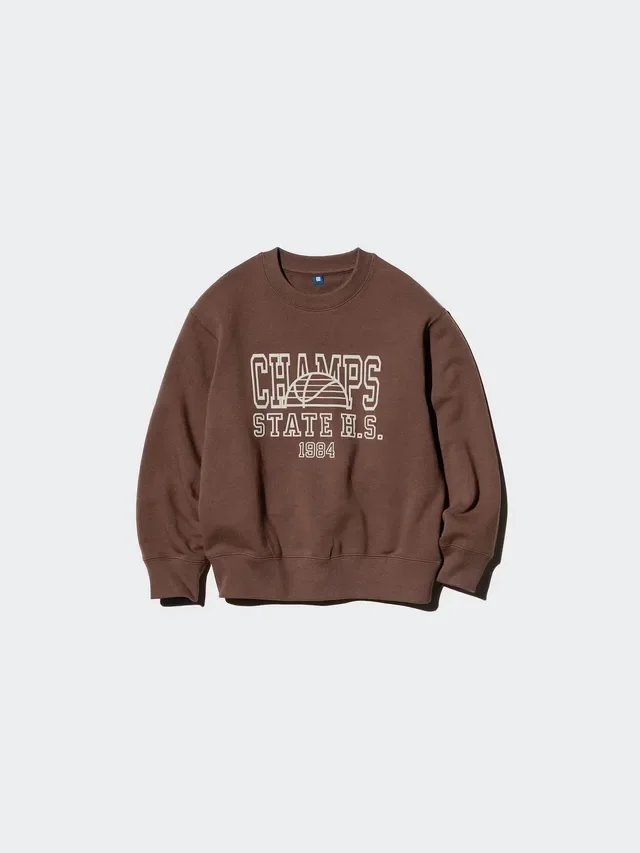
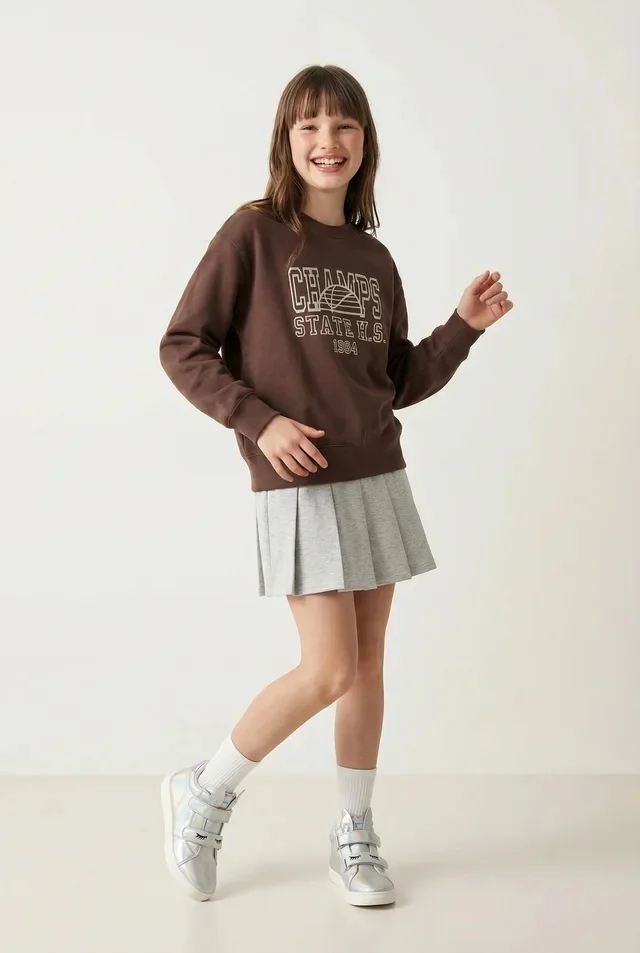
This shows an Astria result. The other platform was not tested with these same photos.
How we evaluated Astria and Botika
We used six B2B buying questions: product fidelity, fashion-specific creative control, reuse of an approved setup, collection and channel coverage, correction workflow, and commercial predictability.
Quick verdict: Astria vs Botika
| Decision factor | Botika | Astria | Winner |
|---|---|---|---|
| Professional fashion production | Standardized product-photo transformation | Brand-specific production across ecommerce, lookbook, campaign, and social | Astria |
| Creative direction | Choose from prepared models, poses, and backgrounds | Build and reuse casting, styling, scene, crop, lighting, and format direction | Astria |
| Casting and assets | Curated self-serve choices; custom options are plan-dependent | Models across ages and body types, locations, poses, and reusable references | Astria |
| Template breadth | On-model, flat-lay, mannequin, and video transformations | Beauty, jewelry, apparel, footwear, sports, luxury, editorial, and campaign templates | Astria |
| Natural-looking people | Manual human correction after generation on eligible plans | A face-inpainting and refinement layer improves facial detail inside the production workflow | Astria |
| Motion | A guided fashion-video product | Multiple current video options can animate approved stills in the same workflow | Astria |
| Team production | Team access is advertised on the Advanced plan | Private workspaces and a multiplayer canvas with named cursors and live voice | Astria |
| Compounding value | Primarily completes product-photo transformations | SKUs, avatars, templates, approvals, and outputs carry from collection to campaign, video, and social | Astria |
| Collection scale | Guided flow processes a batch, one preset transformation at a time | The full SKU set imports from Shopify or Google Drive and runs against one approved setup | Astria |
| Commercial model for brands | Self-serve credit tiers; per-image credits accumulate across every SKU, variant, and channel | Brand pricing scoped to usage and the production engagement | Astria |
| Best fit | Ecommerce teams that need fast, standardized on-model transformations from existing product photos | Fashion brands producing on-brand ecommerce, lookbook, campaign, and social assets across a collection | Astria |
| Overall | A quick fix for a standardized PDP transformation | The stronger platform for professional fashion production | Astria |
Reviewed August 1, 2026; no controlled image-quality benchmark was run.
Botika: generic preset transformations
Botika transforms clothing photography into new on-model results through separate on-model, flat-lay, mannequin, and fashion-video flows.
Users choose a Botika model and background, generate, review, and bulk-download results. Its onboarding guide documents corrections. This is convenient, but convenience is the product's ceiling: selecting generic options is not the same as directing styling, casting, garment behavior, lighting, and composition for a fashion brand.
Astria: a professional fashion-production environment
Astria's broader fashion and ecommerce workflow moves from reusable templates and product inputs to ecommerce, lookbook, social, and campaign assets at scale.
Templates move creative decisions upstream: define the treatment once, approve it, and reuse it across a drop. The templates gallery provides fashion-specific starting points, while brand references keep the result from collapsing into a generic AI aesthetic. Teams can operate the approved workflow without becoming prompt experts.
Public proof: Botika's ecommerce cases versus broader professional adoption at Astria
Botika's case-study library includes named examples from Jordache, Get Dressed Collective, BLVCK, Nil+Mon, and JUAN & ME. These are vendor-written first-party accounts rather than independent benchmarks, but they show real ecommerce adoption of Botika's transformation workflow.
Astria's homepage and fashion materials show a broader production base: recognizable brands including Ronny Kobo, Nununu, Gant, Lee Cooper, and Nine West, alongside studios and professional photographers building client workflows on Astria. This is still vendor-published evidence rather than an independent benchmark, but the signal is materially broader: Astria is used by brands and the professionals who create for them, not only as an image-transformation app.
A realistic workflow comparison: a 60-SKU drop
Imagine a brand has 60 new garments and needs four PDP images per SKU, a small lookbook, and social variations. The campaign should use the same casting direction and visual language, but the team expects late colorway changes.
With Botika, the team prepares supported product photography, chooses models, poses, and backgrounds, and generates. Its flat-lay flow can combine garments and accept front and back views; eligible plans include corrections. The workflow processes the queue, but every new creative requirement remains bounded by the available presets.
Botika's help documentation describes beta pose limits, while a newer guide documents back views. Confirm current behavior with representative garments.
With Astria, the team establishes the casting, styling, scene, lighting, crop, and format once, then applies that direction across products. A late colorway, campaign crop, or video can reuse the approved setup. For a 60-SKU collection, that is the more capable production model.
The differences that matter most
Fashion direction — winner: Astria
Botika standardizes the job: upload, choose prepared options, and generate. That is practical for routine PDP refreshes, but it can also produce a generic template result—familiar AI polish, weak garment behavior, or styling, poses, and lighting that are not specific to the brand. Paid correction can address marked defects; it does not replace fashion art direction.
Astria keeps fashion context in the workflow. Teams can draw from models—including children and extended-size casting—locations, poses, and other references. Templates extend beyond basic apparel PDPs into beauty, jewelry, footwear, sports, luxury, and editorial treatments.
Natural-looking people — winner: Astria
Botika's answer to synthetic-looking people is a manual service: on eligible plans, users flag an output and a human corrects or retouches it. That turns realism into a post-production queue, with turnaround and consistency dependent on manual intervention.
Astria handles the problem as a professional technology layer. Its face-inpainting and refinement pass rebuilds facial detail, skin, hair, eyes, and texture—especially in full-body and wider fashion frames where generic generation can produce an obvious AI look. Human creative review still matters, but the finishing layer operates inside a repeatable production workflow rather than being outsourced as a correction request.
Stills, motion, and existing brand material — winner: Astria
Both products offer fashion video. Astria provides a choice of current video-generation options, allowing a team to animate an approved still without rebuilding the job elsewhere.
Astria's Describe tool can turn a rights-cleared reference image into usable creative direction while accounting for product and model references already loaded. Its Agent can help reconstruct an existing brand treatment as a reusable AI setup. For a team with campaign material it already owns, that shortens the path from “make something like this” to a repeatable template. We could not verify an equivalent reference-to-workflow feature in Botika's public material reviewed for this article.
Collaborative production — winner: Astria
Botika advertises team collaboration on its Advanced plan. Astria combines private brand workspaces with a multiplayer Board: teammates can arrange references, products, templates, and results on the same canvas, see named cursors, and start a live voice conversation over the work—closer to a creative review huddle than a file handoff. That distinction matters when art direction, merchandising, and production need to resolve a look together.
Compounding production value — winner: Astria
Astria becomes more valuable as the team uses it. Bring the full SKU set into one workspace from Shopify or Google Drive, create reusable avatars and templates, review together on the multiplayer Board with chat and voice, and run the collection. The approved products, casting, direction, and outputs can then move into campaigns and editorials, video, and social content.
That keeps a photographer or freelancer, the in-house studio, and the social media agency on the same assets and approvals. Each stage builds on the last instead of duplicating uploads, recreating briefs, or restarting production in another tool.
Commercial model — winner: Astria
Botika publishes self-serve subscription tiers, which makes the first purchase simple. But those tiers meter per-image credits, so the bill grows with every SKU, variant, channel crop, and regeneration—and plan-dependent corrections sit on top. Astria's brand pricing is scoped to usage and the production engagement, and the approved setup is reused rather than re-prompted, so the commercial conversation matches how a brand actually produces. A per-image price is not a production budget—model a full collection, including rework, before comparing costs.
Choose Botika only if...
- You need a standardized on-model PDP transformation from existing product photos.
- You are willing to trade category-specific fashion direction for generic preset choices.
- A correction queue is sufficient; you do not need to own a reusable creative workflow.
- Published credit pricing matters more than a distinctive, cross-channel visual system.
Choose Astria if...
- You need one visual system to cover catalog, lookbook, campaign, and social variations.
- A creative director, photographer, educator, or studio will define a workflow that other people should reuse.
- The brand needs its casting, styling, scene, crop, and campaign direction to carry across a collection.
- Your briefs span different casting needs, category templates, stills, and video.
- Creative review should happen with the team on the shared canvas, not through exported screenshots.
- The durable deliverable should include the creative recipe, not only the exported images.
The bottom line
For professional fashion brands, Astria is the clear choice. Botika handles a narrow product-photo transformation; Astria provides the fashion direction, breadth, finishing, motion, and team workflow needed to produce the collection and its channels.
Do not decide from a polished hero image. The revealing test is the second SKU, the late colorway, and whether another team member can reproduce the approved direction.
What to test before choosing either platform
Run the same five representative SKUs through both products. Require PDP, detail, and campaign crops; add a colorway after approval. Have a senior fashion creative review the outputs blind for garment fidelity, drape, anatomy, styling, lighting, brand fit, and visible AI artifacts. Then ask a second operator to reproduce the approved direction.
The final step reveals the difference between generating individual images and operating a repeatable workflow.
Frequently asked questions
Is Botika an Astria alternative?
Yes, for on-model fashion imagery. They become less interchangeable when the job expands into reusable multi-format production or brand-specific direction.
Which is easier for a small ecommerce team?
Botika's guided flow may be easier for one narrow task. Astria reduces repeated work across products and channels.
Can both create images from flat lays?
Both accept product-photo inputs; Botika provides a dedicated flat-lay flow, while Astria places product photos into a reusable template. Test back views, layers, texture, and fit.
Which is better for producing a full collection?
Astria is designed around taking an approved brand direction across products and content formats, which makes it the stronger fit when the collection—not an individual replacement image—is the unit of work. Botika can push a batch of products through its guided flow, but every image stays bounded by the same preset model, pose, and background choices.
Is Astria better than Botika for fashion brands?
Yes, when the requirement is professional, brand-specific production rather than standardized PDP replacement. Astria offers the broader creative environment and the higher operational ceiling. Buyers should still test difficult garments for fidelity and collection-wide consistency.
For adjacent decisions, see how Astria compares with Rawshot, Caimera, and Ayna — or read the Botika alternatives roundup.
Still narrowing the field? The category map is in best AI fashion photography platforms, and how production actually runs is in the AI fashion photoshoot guide.
Sources and methodology
This article compares public product information available on August 1, 2026. Key sources include Botika's product overview, on-model workflow, case studies, pricing, and help center, plus Astria's fashion offering, template gallery, workspace documentation, and video documentation.
Pricing, plan limits, model libraries, and workflow support can change. Confirm current terms and test representative source images before making a production decision.
Explore Astria for fashion and ecommerce.
For current Astria rates and billing terms, see Astria pricing.