Botika Alternatives (2026): What to Look at Instead, and Why
Botika is an established AI on-model photography platform with real ecommerce traction, and for a lot of catalogs it does the job it advertises. Brands typically start looking elsewhere for one of four specific reasons — and which reason applies determines which alternative is right.
Disclosure: this page is published by Astria and recommends Astria for collection-scale production. Where something else is the better buy, that is said plainly.
An Astria example: product photo to model image
The sweatshirt on the left is one of the product photos used to create the styled look on the right.
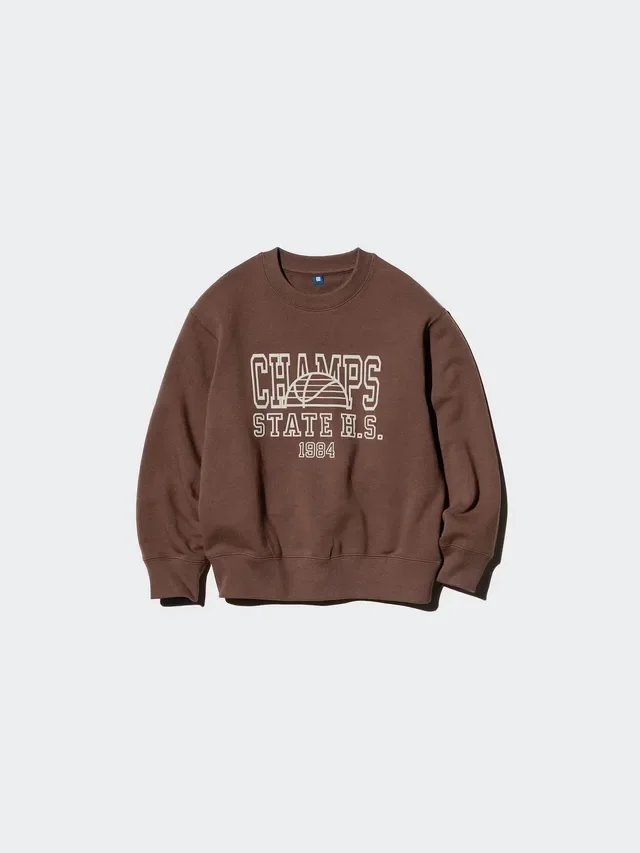
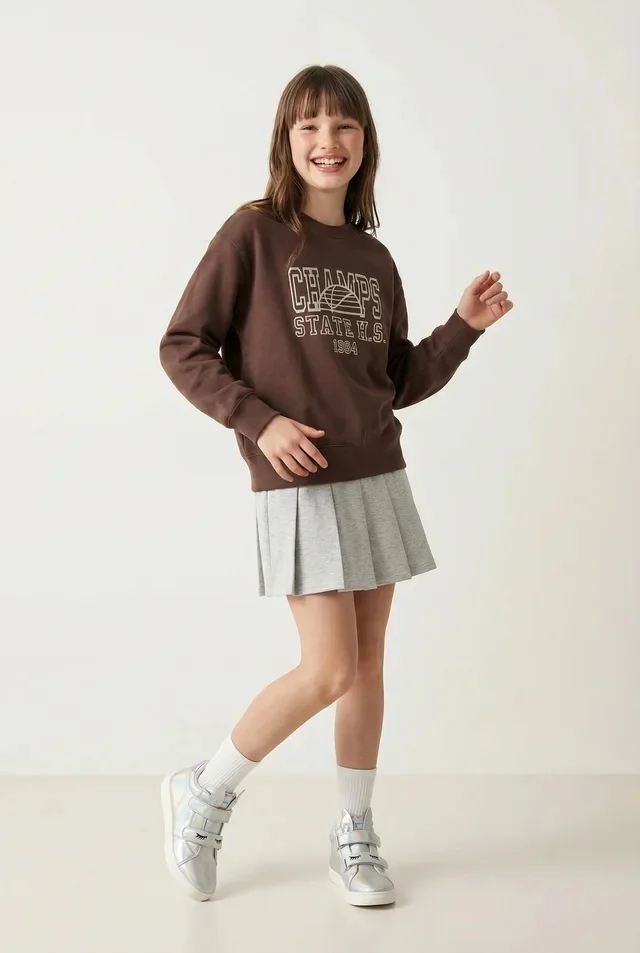
This shows an Astria result. The other platform was not tested with these same photos.
Diagnose the reason first
| Why you are looking | What to shortlist |
|---|---|
| Direction drifts across the collection | A production system that stores an approved treatment |
| You need lookbook, campaign, or motion — not just PDP images | A production system with channel and video coverage |
| You sell jewelry, beauty, footwear, or children's ranges | A platform with genuine category depth |
| More than one person needs to work on it | A platform with shared workspaces and review |
| It costs more than the listings justify | A cheaper listing tool, not a bigger platform |
That last row matters. If the honest answer is "this costs more than my marketplace listings are worth," moving to a more capable platform is the wrong direction — see the listing tools below.
Production systems
Astria — our recommendation for brands producing collections. The difference that matters against Botika is that the approved treatment — casting, styling, scene, crop, lighting, format — is stored and re-run rather than configured per photoshoot. Products, casting, references, templates, and outputs live in one brand workspace; templates cover beauty, jewelry, footwear, sports, luxury, and editorial as distinct categories; casting spans ages and body types including children and extended sizing; and the same direction carries into campaign frames, social crops, and motion. A multiplayer canvas with named cursors and live voice means the stylist, the founder, the ecommerce lead, and an outside agency review the same work rather than trading exports. Where Botika may still suit you better: if standard adult apparel PDP images are genuinely the whole job and you are happy with the current output, there is no prize for switching. Full head-to-head.
Rawshot — a dedicated AI fashion studio with large model, camera, and background libraries. Worth a look if preset breadth is what you feel is missing. Comparison.
Caimera — creator-led go-to-market with published case-study material. Comparison.
Ayna — fashion photoshoot production with published pricing. Comparison.
Stoodio — licensed digital twins of real models. The right shortlist if licensed real-model likenesses are a hard requirement for your brand. Comparison.
Lumoo — compact and focused, built around producing from a single image. Comparison.
If try-on is the actual bottleneck
FASHN — try-on and model generation for brands and creative teams. Comparison.
Aiuta — enterprise try-on delivered as a QA'd service rather than a tool you operate. Comparison.
Looklet — digitised models, with a studio capture step to evaluate. Comparison.
Before shortlisting any of these, check you are solving the right problem — virtual try-on for fashion brands explains why two unrelated products share that name.
If cost is the reason
Be honest about this rather than shopping upmarket.
Stylic — three-step upload-to-download at low monthly tiers, aimed at marketplace sellers. Genuinely cheaper, and for a seller producing listing images and nothing else, sufficient. Comparison.
Lookgen — styled outfit generation with PIM publishing. Comparison.
If you want output delivered rather than a tool
Pixelz — managed post-production at scale, with service levels. A different model, and a legitimate answer if you would rather buy an outcome than run a process. Comparison.
How to run the switch
- Don't switch mid-season. A catalog with two treatments in it is worse than a catalog with one imperfect treatment.
- Evaluate in parallel. Keep the current tool running. Take ten products — including your hardest — through the shortlist.
- Test the revision path. Get five approved, then add a colorway and change the crop convention. Count operations. This is the test that predicts your running cost.
- Check category coverage against what you actually sell, not against a demo reel.
- Ask what you keep. Images only, or the casting, references, and templates that produced them? This determines whether next season starts from something or from nothing.
- Switch between seasons, and rebuild the treatment deliberately rather than trying to replicate the old one exactly.
The wider category map is in best AI fashion photography platforms, and the production process itself in the AI fashion photoshoot guide.
If your shortlist starts elsewhere, use Lumoo alternatives for product-photo and catalog workflows, or StyTrix alternatives to separate visual design, technical sampling, and photography decisions.
Frequently asked questions
What is the best Botika alternative?
For brands producing a full collection across catalog, lookbook, campaign, and social, we recommend Astria. For marketplace sellers who only need cheap listing images, a listing tool such as Stylic is a simpler and cheaper answer.
Why do brands look for a Botika alternative?
The common reasons are wanting creative direction that persists across a collection rather than being reconfigured per shoot, needing categories beyond standard apparel, needing video, and needing more than one person to work on the same production.
Should I switch tools mid-season?
Rarely. Run a parallel evaluation on ten representative products while the current tool continues, and switch between seasons. Mid-season switching usually produces a catalog with two visibly different treatments in it.
What should I check before switching?
That your hardest garments convert acceptably, that a change of creative direction after approval is one operation rather than many, that the categories you sell are supported, and what you own at the end — images only, or the setup that produced them.
Is this comparison impartial?
No — it is published by Astria and recommends Astria for collection-scale production. The cases where another tool is the better fit are stated explicitly, and each alternative links to a full head-to-head so the reasoning can be checked.
Sources and methodology
Each alternative summarises a longer head-to-head published on this site, written against public first-party product material and reviewed on the date shown in that article. Product scope and pricing change frequently — confirm current terms with any vendor before switching.
Explore Astria for fashion and ecommerce.
For current Astria rates and billing terms, see Astria pricing.