Astria vs Stoodio (2026): Which Is Better for Fashion Brands?
Stoodio is one of the few competitors in this set that is, like Astria, built exclusively for fashion—image generation, video, workflows, a model database, and asset management in one platform. Its distinguishing bet is legal: a partnership with ModelManagement.com giving access to a very large pool of consented, commercially licensed real-model digital twins. The question for a buyer is whether that licensing advantage outweighs a production model that runs through the vendor.
The short answer: Astria is the clear overall winner for most fashion brands—broader categories, deeper casting, live collaborative review, and no onboarding engagement to get started. Choose Stoodio when licensed real-model likeness is the overriding requirement.
An Astria example: product photo to model image
The sweatshirt on the left is one of the product photos used to create the styled look on the right.
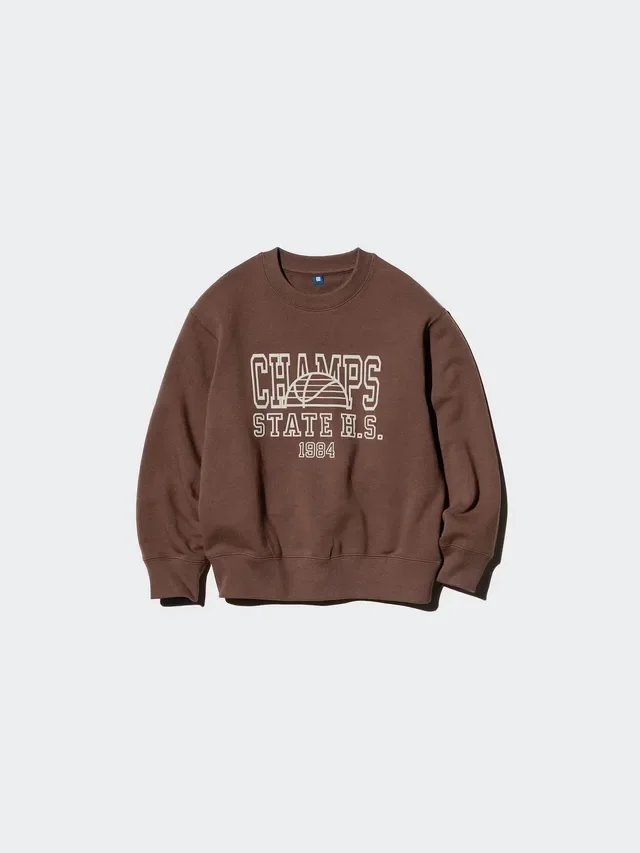
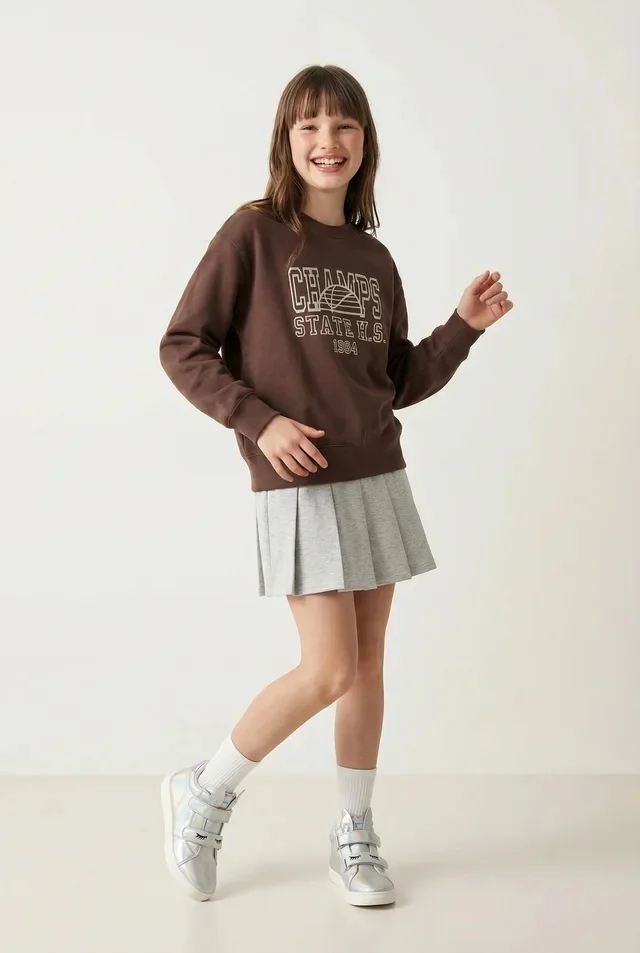
This shows an Astria result. The other platform was not tested with these same photos.
How we evaluated Astria and Stoodio
We used six B2B buying questions: how a brand gets started and how dependent it stays on the vendor, casting depth and licensing, category and channel coverage, how collaborators review the work, what published evidence exists, and how a full collection runs.
Quick verdict: Astria vs Stoodio
| Decision factor | Stoodio | Astria | Winner |
|---|---|---|---|
| How you start | Booked demo plus guided onboarding with the vendor's team | Direct access for brands, studios, photographers, and educators | Astria |
| Professional fashion production | Fashion-specific image, video, and workflow platform | Brand-directed production across ecommerce, lookbook, campaign, and social | Astria |
| Creative direction | Chained prompts, models, edits, and exports as repeatable pipelines | Approved treatment — casting, styling, scene, crop, lighting, format — stored and reused | Astria |
| Casting depth | Very large pool of licensed adult real-model twins | Models across ages and body types, including children and extended-size casting, plus locations and poses | Astria |
| Category coverage | Ecommerce, campaign, social, and print for apparel | Apparel, beauty, jewelry, footwear, sports, luxury, and editorial templates | Astria |
| Natural-looking people | Photoreal output from licensed twins | Face-inpainting and refinement layer inside the production workflow | Astria |
| Motion | Looping campaign video and social content from stills | Multiple current video options animate approved stills in the same workflow | Astria |
| Review experience | Asset management: organize, review, and ship | Multiplayer canvas with named cursors and live voice over the actual looks | Astria |
| External collaborators | Vendor-guided production partnership | Photographer, in-house studio, and agency share one workspace and approvals | Astria |
| Collection scale | Repeatable pipelines run across products | The full SKU set imports from Shopify or Google Drive and runs against one approved setup | Astria |
| Commercial model for brands | Not published; demo-led engagement | Brand pricing scoped to usage — pay for what you create | Astria |
| Model licensing and consent | Consented real-model twins with worldwide, perpetual rights | Reusable casting library within the platform | Stoodio |
| Best fit | Brands for whom licensed real-model likeness is a hard requirement | Fashion brands producing on-brand ecommerce, lookbook, campaign, and social assets across a collection | Astria |
| Overall | A strong licensing-led fashion studio | The stronger platform for professional fashion production | Astria |
Reviewed August 10, 2026; no controlled image-quality benchmark was run.
Stoodio: licensing as the product strategy
Stoodio's pitch is that it builds a brand's AI studio, and it is refreshingly specific about being fashion-only rather than a general image tool. The platform lists five integrated capabilities: image generation, video generation, workflows that chain prompts, models, edits, and exports into repeatable pipelines, a model database, and asset management.
The model database is the strategy. As an official partner of ModelManagement.com, Stoodio offers access to over 100,000 consented digital twins with worldwide, perpetual commercial rights, and it is pointed about what that means—no composite faces, no grey zones. For a brand whose legal team is uneasy about synthetic likeness, or that operates in a market tightening around AI disclosure and personality rights, this is a materially different proposition from a library of invented faces.
The company frames itself as a production partner rather than a tool, promising guided onboarding so a team integrates AI into real production from the first session. Its published evidence is a single detailed case study: a Berlin activewear brand reporting 40% lower cost per SKU, production cycles moving from three weeks to three days, and double the content output. There is no published pricing; the route in is a booked demo.
Astria: a professional fashion-production environment
Astria shares Stoodio's fashion focus and diverges on autonomy and breadth. Products, casting, references, templates, and outputs live in a brand workspace, and the approved treatment—casting, styling, scene, crop, lighting, format—is the reusable unit the brand's own people edit and run.
Breadth shows in two places. Categories: templates treat beauty, jewelry, footwear, sports, luxury, and editorial as distinct fashion disciplines, not variations on apparel. And casting: alongside adult models across body types, the library covers children's and extended-size casting, which are production requirements a licensed adult-model roster does not address.
Public proof: one deep story versus a broader base
Stoodio's case study is genuinely useful—specific numbers, a named founder, a real brand—and it is one story from a small brand. That is honest early-stage evidence, and a buyer should read it as such rather than as a pattern.
Astria's public materials show a production base among fashion brands and the professionals who create for them: Ronny Kobo, Nununu, Gant, Lee Cooper, and Nine West, alongside studios and photographers running client work. Also vendor-published, and broader across brand size and contributor type.
A realistic workflow comparison: the legal review
Consider a European brand whose counsel has flagged AI-generated faces as a risk. The marketing director wants AI production; legal wants documented consent and clear commercial rights for any human likeness used in advertising.
This is Stoodio's scenario, and it answers it well. A licensed twin from a consented roster with worldwide perpetual rights is a document legal can read, and the onboarding engagement means someone from the vendor helps wire it into the brand's real production. If that constraint is genuinely binding, the rest of this comparison is secondary.
Now change one detail: the brand also sells a children's line and a small jewelry capsule, and its campaign imagery is set by a freelance stylist who is not an employee. The licensed adult-model roster does not cover the children's line. Jewelry needs different lighting and macro conventions than activewear. And the stylist needs to be inside the workflow, reviewing looks with the team, not briefing a vendor. In Astria those are ordinary: children's and extended-size casting exist in the library, jewelry and beauty are first-class template categories, and the stylist joins the brand workspace and reviews on the multiplayer Board with live voice.
The differences that matter most
Model licensing and consent — winner: Stoodio
This is Stoodio's genuine edge and the one concession that matters here. A roster of over 100,000 consented real-model digital twins, sourced through a named partner with worldwide perpetual commercial rights, is the cleanest answer to likeness risk in this comparison, and Astria does not match it. Brands operating under strict legal review, or in markets tightening around AI disclosure and personality rights, should weight this heavily and ask both vendors for written rights documentation.
Getting started without an engagement — winner: Astria
Stoodio's positioning as a production partner with guided onboarding is a real service, and it is also a dependency and a delay. Astria is used directly by brands and by the studios, photographers, and educators who serve them, which means a team can validate the workflow on its own products before committing to anything.
Casting breadth beyond licensed adults — winner: Astria
A licensed twin roster solves adult likeness elegantly and does not solve children's casting or extended-size representation, both of which are ordinary production requirements for brands with a full line. Astria's library covers ages and body types, including children and extended-size casting, alongside locations and poses.
Category coverage — winner: Astria
Stoodio's published channels—ecommerce, campaign, social, print—describe distribution rather than category. Astria's templates encode the conventions of beauty, jewelry, footwear, sports, luxury, and editorial work, which is what a brand with more than one product type actually needs.
Review and external collaborators — winner: Astria
Stoodio offers asset management: organize, review, and ship from one place. That is the right feature set for tracking output. Astria's multiplayer Board is for making the decision: named cursors, live voice, and the production canvas shared with the photographer, the in-house studio, and the agency.
Collection scale and commercial fit — winner: Astria
Both build repeatable pipelines. Astria's differ in where the collection enters: the SKU set imports from Shopify or Google Drive and runs against the approved treatment, then extends into campaign, editorial, social, and motion. On commercials, Stoodio publishes no pricing, so a brand cannot model a season before entering a sales conversation; Astria's brand pricing is scoped to usage—pay for what you create. This article makes no claim that Astria is cheaper; it notes that one option can be estimated against a real collection before commitment and the other cannot.
Compounding production value — winner: Astria
In Astria, products, avatars, templates, approvals, and outputs accumulate in a workspace the whole production shares, and the next season starts from them. Stoodio's pipelines accumulate too—inside a partnership the brand does not fully operate alone.
Choose Stoodio if...
- Documented consent and commercial rights for human likeness are a hard legal requirement.
- You want a vendor partner to help integrate AI into production from the first session.
- Adult apparel is the bulk of your line.
- A licensed real-model roster matters more to you than running the workflow independently.
Choose Astria if...
- You want to validate the workflow on your own products before any commitment.
- Your line spans categories — beauty, jewelry, footwear, sports, luxury, editorial — and age ranges including children.
- External stylists, photographers, or agencies should work inside the brand workspace.
- Review should happen on a shared canvas with voice, not through an asset manager.
- One approved creative direction must carry across the collection and every channel.
The bottom line
For most fashion brands, Astria is the stronger choice: broader categories, deeper casting, collaborative review with the people who actually set the look, and a workflow the brand runs itself. Stoodio has built the best licensing answer in this category, and for a brand where consent documentation is the binding constraint, that may be the only factor that matters.
Ask both vendors for their rights documentation in writing. Then ask who runs the workflow after onboarding ends.
What to test before choosing either platform
Run five representative SKUs through both, spanning at least two categories if your line has them, and include a children's or extended-size product if relevant. Require PDP, detail, campaign, and social crops, then add a colorway after approval. Request written likeness-rights documentation from both. Have a senior creative review outputs blind for garment fidelity, drape, anatomy, styling, and brand fit. Finally, invite your external stylist or photographer into the workflow and see whether they can work in it.
Frequently asked questions
Is Stoodio an Astria alternative?
Yes — it is a genuine fashion-specific competitor with image generation, video, workflows, a model database, and asset management. The main differences are its licensing-led model library, its demo-and-onboarding sales motion, and how much of the work you run yourself.
What is Stoodio's strongest advantage?
Consent and licensing. Through its ModelManagement.com partnership Stoodio offers a very large pool of commercially licensed real-model digital twins with worldwide, perpetual rights — a clean answer for brands with legal sensitivity about AI faces.
Which can a brand start using on its own?
Astria. Stoodio's route is a booked demo with guided onboarding and positions itself as a production partner. Astria is used directly by brands and by the studios, photographers, and educators producing for them.
How does published proof compare?
Stoodio publishes one detailed customer story with specific outcomes. Astria's materials name several fashion brands plus studios and photographers running client work. Both are vendor-published rather than independent.
Is Astria better than Stoodio for fashion brands?
For most brands, yes: broader category templates, deeper casting including children and extended sizes, live multiplayer review, and no onboarding engagement required. Brands whose overriding requirement is licensed real-model likeness should evaluate Stoodio on that basis.
For adjacent decisions, see how Astria compares with Looklet, Graswald, and Rawshot.
Still narrowing the field? The category map is in best AI fashion photography platforms, and how production actually runs is in the AI fashion photoshoot guide.
Sources and methodology
This article compares public product information available on August 10, 2026. Key sources include Stoodio's homepage describing its five platform capabilities, its ModelManagement.com partnership and licensed digital-twin roster, its stated channel coverage, and its published activewear case study, plus Astria's fashion and ecommerce offering, template gallery, workspace documentation, and video documentation. We did not find public pricing for Stoodio in this review.
Roster size, rights terms, product scope, and commercial terms can change. Confirm current licensing documentation and test representative garments before making a production decision.
Explore Astria for fashion and ecommerce.
For current Astria rates and billing terms, see Astria pricing.