Astria vs Rawshot (2026): Which Is Better for Fashion Brands?
Rawshot makes a sharp promise: fashion AI for people who make clothes, not people who engineer prompts. No prompt box, no studio, no samples—just menus of models, lenses, lighting, and backgrounds, plus a provenance stack that labels every output as AI-generated. Astria answers a different question: not "how do I get an image without learning prompts," but "how does my brand's creative direction become a system my whole team can run."
The short answer: Astria is the clear overall winner for fashion brands producing a collection and its channels. Choose Rawshot when you need occasional images with zero learning curve and no setup, and AI-disclosure labelling is a hard requirement.
An Astria example: product photo to model image
The sweatshirt on the left is one of the product photos used to create the styled look on the right.
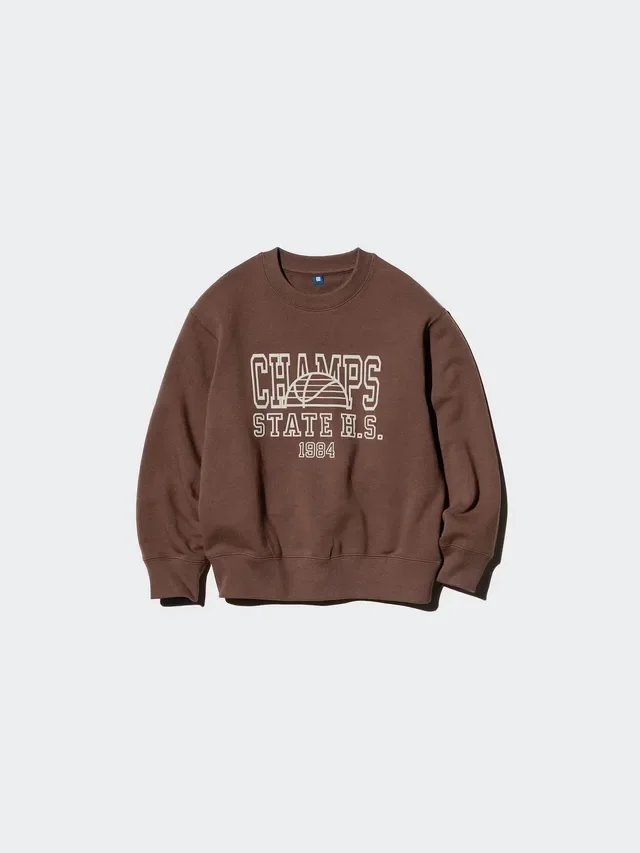
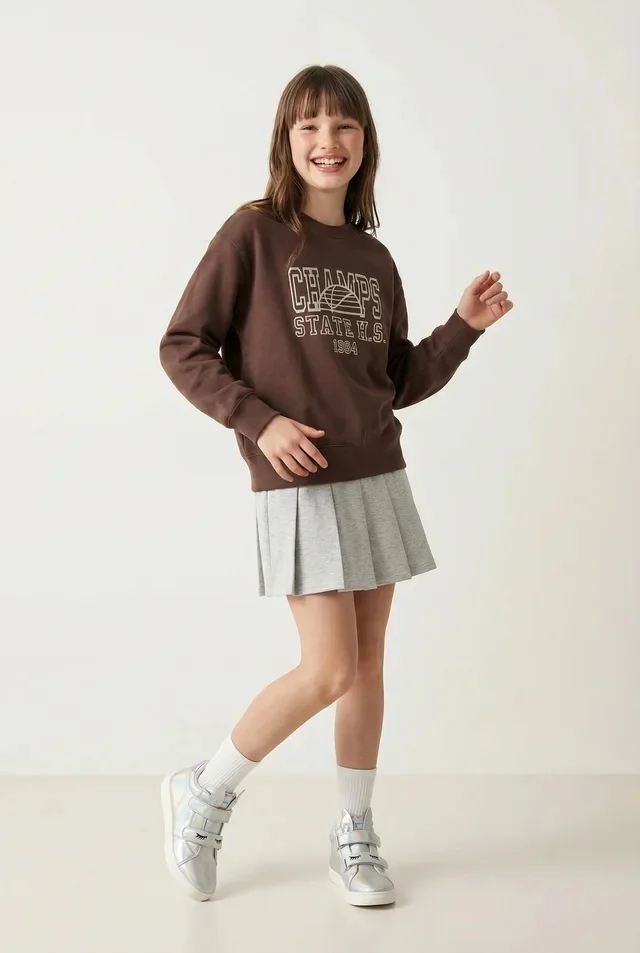
This shows an Astria result. The other platform was not tested with these same photos.
How we evaluated Astria and Rawshot
We used six B2B buying questions: how creative direction gets specified, whether an approved look survives the next SKU, casting and asset depth, collaboration and review, channel and format coverage, and what a full collection actually costs to run.
Quick verdict: Astria vs Rawshot
| Decision factor | Rawshot | Astria | Winner |
|---|---|---|---|
| Professional fashion production | Menu-driven image generation for individual products | Brand-directed production across ecommerce, lookbook, campaign, and social | Astria |
| Creative direction | Pick from preset models, lenses, framings, lighting, and backgrounds | Build and reuse casting, styling, scene, crop, lighting, and format direction | Astria |
| Casting and assets | A library of synthetic models configured by body attributes | Models across ages and body types, locations, poses, and reusable brand references | Astria |
| Category coverage | Broad preset menus applied to apparel and product shots | Fashion-specific templates for apparel, beauty, jewelry, footwear, sports, luxury, and editorial | Astria |
| Natural-looking people | Regenerate with different preset choices until acceptable | Face-inpainting and refinement layer inside the production workflow | Astria |
| Motion | Short scene-builder clips, metered per second | Multiple current video options animate approved stills in the same workflow | Astria |
| Team production | Not publicly verified in the material reviewed | Private workspaces and a multiplayer canvas with named cursors and live voice | Astria |
| Collection scale | Token-metered generation, image by image | The full SKU set imports from Shopify or Google Drive and runs against one approved setup | Astria |
| Commercial model for brands | Monthly token allowances; a mid-size drop can exceed a plan before revisions | Brand pricing scoped to usage — pay for what you create | Astria |
| Public customer proof | Not found on the public site in the material reviewed | Named brands including Ronny Kobo, Gant, Lee Cooper, and Nine West | Astria |
| Best fit | Solo designers and marketplace sellers needing occasional images fast | Fashion brands producing on-brand ecommerce, lookbook, campaign, and social assets across a collection | Astria |
| Overall | The easiest on-ramp to an AI fashion image | The stronger platform for professional fashion production | Astria |
Reviewed August 2, 2026; no controlled image-quality benchmark was run.
Rawshot: removing the prompt, one menu at a time
Rawshot positions itself as an AI photo studio for fashion, built explicitly for garment people rather than prompt engineers. The interface replaces the text box with controls: lens choices from 35mm to 135mm, framings from full body to close-up, lighting from studio softbox to golden hour, a large background library, and a catalog of synthetic models configured across body attributes covering womenswear, menswear, plus-size, kidswear, and infant.
Two things deserve credit. First, Rawshot does support repeatability within its own vocabulary: the product describes reusing the same face, styling logic, and framing across a large assortment so a catalog stays coherent. Second, and more distinctive, Rawshot publishes a provenance and disclosure stack—C2PA signing, visible and cryptographic watermarking, and stated alignment with EU AI Act Article 50, California SB 942, and GDPR. For a brand whose legal team has AI-labelling obligations on the roadmap, that is a concrete, checkable capability rather than a marketing line.
The site itself is the other signal. Rawshot's public surface runs to thousands of programmatically generated pages—one per feature, solution, and comparison permutation. It is an effective way to capture search demand. It is not evidence of production adoption, and we did not find named customer case studies or testimonials on the public site in the material reviewed.
Astria: a professional fashion-production environment
Astria starts from the brand rather than the interface. Products, casting, references, templates, and outputs live together in a workspace, so an approved look becomes a reusable recipe rather than a configuration a single operator remembers.
That difference shows up in what a team can encode. Templates cover fashion-specific categories well beyond standard apparel PDPs—beauty, jewelry, footwear, sports, luxury, and editorial—and brand references anchor results to the brand's own visual language rather than a generic AI aesthetic. Astria's Describe tool can extract usable creative direction from a rights-cleared reference while accounting for the products and models already loaded, which shortens the path from "make something like our last campaign" to a template the team can run.
Public proof: named production versus search surface
Astria's public materials show a professional production base: recognizable brands including Ronny Kobo, Nununu, Gant, Lee Cooper, and Nine West, alongside studios and photographers running client work on the platform. This is vendor-published evidence rather than an independent benchmark, and it should be read as an adoption signal, not a quality proof.
Rawshot's public evidence is different in kind. The company publishes extensive category and comparison content and clear technical specifications, but in the material we reviewed on August 23, 2026, we could not find a named customer story, testimonial, or case study. Absence of published proof is not proof of absence—Rawshot may well have customers who prefer not to be named—but a buyer evaluating a production commitment has less to check.
A realistic workflow comparison: a knitwear capsule in three colorways
Consider a knitwear label with 24 styles, each in three colorways, needing PDP and detail shots, a small lookbook, and paid-social crops.
With Rawshot, an operator configures the first look—model, lens, framing, lighting, background—and generates. The result arrives in well under a minute, labelled and cleared for commercial use. Reusing that face and framing across the assortment is supported, so the catalog can stay coherent. Use Rawshot pricing to budget for the full collection, model creation, and rejected attempts.
With Astria, the team defines casting, styling, lighting, crop, and format once, approves the treatment, and runs the collection against it. Colorway two and three inherit the approved setup rather than repeating the configuration. The lookbook and social crops extend the same direction instead of restarting it, and the reviewers work on the shared board rather than passing exports around.
The differences that matter most
Menu choice versus art direction — winner: Astria
This is the heart of the comparison. Rawshot's menus are broad and genuinely well organized, and for a designer who has never written a prompt they remove a real barrier. But a menu is a fixed vocabulary. It can describe a 50mm lens and golden-hour light; it cannot describe why this brand shoots its knitwear cropped at the collarbone with the sleeve pushed back, or that its casting skews older than the category norm. Astria lets a creative team encode those decisions—casting, styling, pose, composition, references—and then hand the result to someone else to run.
Casting and reusable assets — winner: Astria
A library of configurable synthetic models is useful and covers a lot of ground, including body types and age ranges. What it does not produce is an asset the brand owns and reuses as its own: a specific cast, a specific location, a specific reference set that recurs season after season. Astria's reusable library spans ages and body types, including children and extended-size casting, alongside locations, poses, and other production references that accumulate in the brand's workspace.
Compliance, provenance, and disclosure — winner: Rawshot
This is Rawshot's genuine edge and the one concession that matters here. Publishing C2PA signing, visible and cryptographic watermarking, and explicit alignment with EU AI Act Article 50 and California SB 942 is more than most of this category documents, and for a brand with disclosure obligations it removes a procurement question early. It is a compliance advantage rather than a production verdict: labelling an image correctly is a different problem from directing it, and buyers with those obligations should confirm current scope directly with both vendors.
Collaboration and handoff — winner: Astria
Rawshot's published material describes a browser interface and an API; we could not verify multiplayer review, shared workspaces, or team roles in the material reviewed. Astria combines private brand workspaces with a multiplayer Board: teammates see named cursors, talk over the actual canvas with live voice, and resolve looks together. When the photographer, the in-house studio, and the social agency all touch the same drop, that difference decides whether work is handed over or handed off.
Collection scale and commercial fit — winner: Astria
Rawshot's token model is transparent and easy to start—which is exactly why the arithmetic matters. Tokens are consumed by every generation, including the ones a creative director rejects, and monthly allowances are sized for steady trickles rather than collection pushes. Astria treats the collection as the unit of work: the SKU set imports from Shopify or Google Drive, the approved setup runs across it, and brand pricing is scoped to usage—pay for what you create, sized to the production. A per-image token price is not a production budget; model a full collection, including rework, before comparing costs.
Compounding production value — winner: Astria
In Astria, products, avatars, templates, approvals, and outputs accumulate: each stage of the season keeps what the last one approved, and the same source of truth serves the photographer, the studio, and the agency. In Rawshot, what accumulates is a folder of generated images and an operator's memory of which settings produced them.
Choose Rawshot if...
- You need occasional fashion images fast, with no setup and no prompt learning curve.
- AI-disclosure labelling and content provenance are hard requirements today.
- You are a solo designer, marketplace seller, or small label without a creative team to coordinate.
- Preset models, lenses, and backgrounds cover your visual range.
Choose Astria if...
- One approved creative direction must carry across a collection and its channels.
- A creative director or photographer needs to install a workflow other people can reuse.
- Casting, styling, and scene decisions must survive team changes, colorways, and late additions.
- Review should happen on a shared canvas with voice, not through exported files.
- Video, campaign, and social work should extend the collection, not restart it.
The bottom line
For professional fashion brands, Astria is the stronger choice: it turns art direction into infrastructure that compounds across a season. Rawshot is the easiest on-ramp in this category and an honest one about what it is—a fast, well-labelled image generator for people who do not want to learn prompts.
Do not decide from a hero image. Test the second colorway, the difficult garment, and whether a teammate can reproduce the approved look without help.
What to test before choosing either platform
Run five representative styles—including one sheer, knit, or layered piece—through both products. Require PDP, detail, and campaign crops, then add a colorway after approval. Count what the round trip actually consumes: tokens or credits spent, including rejected frames. Have a senior creative review outputs blind for garment fidelity, drape, anatomy, styling, and brand fit. Finally, ask a second operator to reproduce the approved direction from scratch. That last test separates image generators from production systems.
Frequently asked questions
Is Rawshot an Astria alternative?
Yes, for generating AI fashion images without writing prompts. They diverge when the job moves from producing images to running a brand's creative direction across a collection, its channels, and its collaborators.
Does a no-prompt interface mean better fashion results?
It means faster results with less setup, which is a real benefit. But menus of models, lenses, and backgrounds remove prompt craft without encoding a brand's point of view. Choosing from a menu is not the same as directing a shoot.
Which handles a full catalog more predictably?
Astria. It imports the SKU set from Shopify or Google Drive and runs it against one approved setup. Rawshot meters generation in tokens, so a mid-size drop can exhaust a monthly plan before revisions begin.
What public customer proof does each publish?
Astria's materials name brands including Ronny Kobo, Gant, Lee Cooper, and Nine West. We did not find named customer case studies or testimonials on Rawshot's public site in the material reviewed in August 2026.
Is Astria better than Rawshot for fashion brands?
For professional brands producing on-brand imagery across a collection and multiple channels, yes. Solo designers and marketplace sellers who need occasional images with no learning curve may find Rawshot sufficient.
For adjacent decisions, see how Astria compares with Botika, Caimera, and Ayna.
Still narrowing the field? The category map is in best AI fashion photography platforms, and how production actually runs is in the AI fashion photoshoot guide.
Sources and methodology
This article compares public product information available on August 2, 2026. Key sources include Rawshot's homepage, its AI fashion photography solution page, and its pricing page covering plan tiers and token costs, plus Astria's fashion and ecommerce offering, template gallery, workspace documentation, and video documentation.
Pricing, plan limits, model libraries, compliance scope, and workflow support can change. Confirm current terms and test representative garments before making a production decision.
Explore Astria for fashion and ecommerce.
For current Astria rates and billing terms, see Astria pricing.