Astria vs Ayna (2026): Which Is Better for Fashion Brands?
Ayna is the most complete listing-automation competitor in AI fashion imagery: flat-lay to on-model photos, short product videos, AI-written titles and descriptions, and a direct push to Shopify and marketplaces. Astria plays a different game for professional teams: it turns art direction into a reusable production system covering casting, styling, review, motion, and handoff across a whole collection.
The short answer: Astria is the clear overall winner for fashion brands building a durable visual production capability. Choose Ayna when the job is automating routine marketplace listing imagery and copy, and a self-serve start matters more than owning the creative direction.
An Astria example: product photo to model image
The sweatshirt on the left is one of the product photos used to create the styled look on the right.
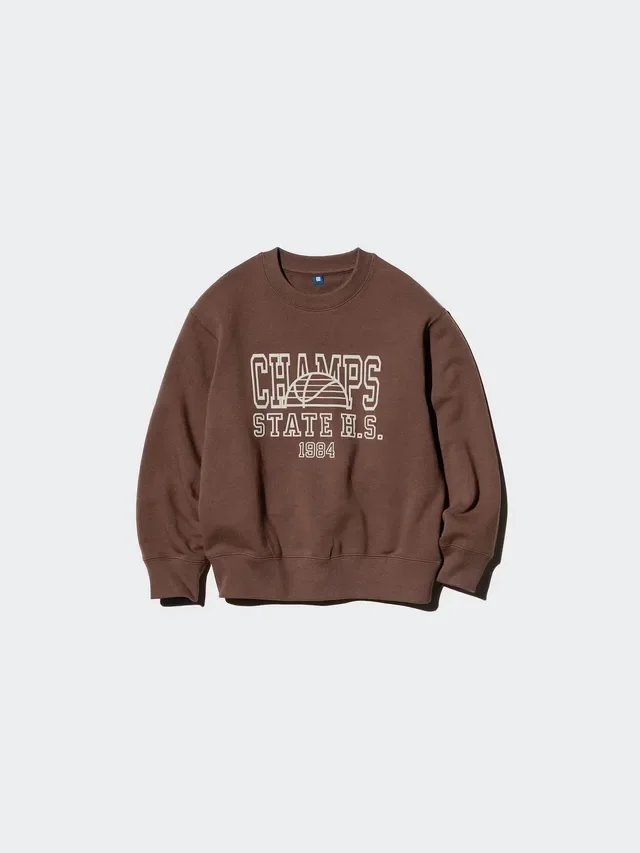
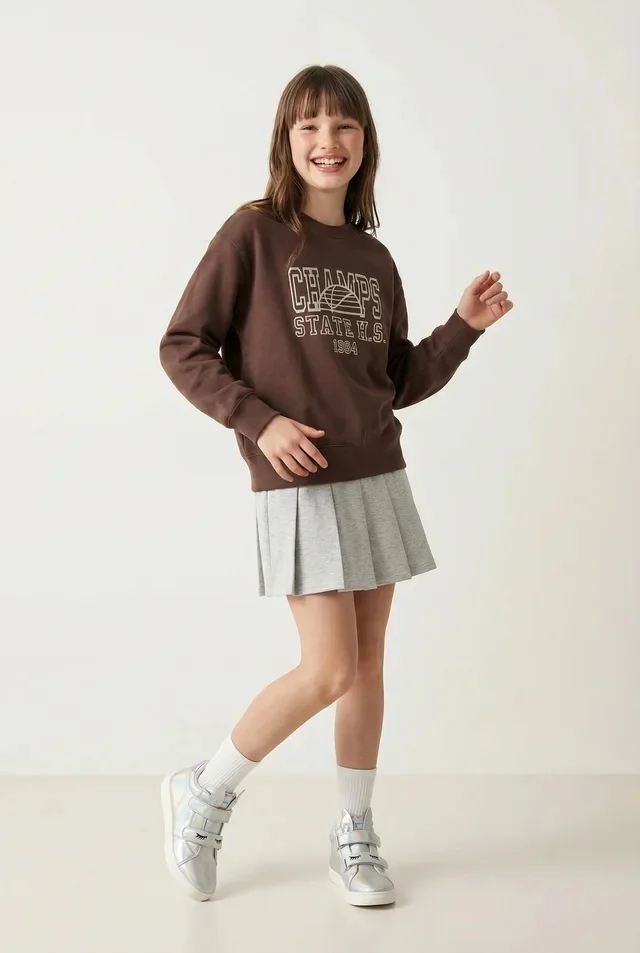
This shows an Astria result. The other platform was not tested with these same photos.
How we evaluated Astria and Ayna
We used six B2B buying questions: product fidelity on real garments, fashion-specific creative control, whether approved work can be reused, collection and channel coverage, correction and collaboration workflow, and commercial fit at production scale.
Quick verdict: Astria vs Ayna
| Decision factor | Ayna | Astria | Winner |
|---|---|---|---|
| Professional fashion production | Standardized marketplace and catalog listings generated from flat-lays | Brand-directed production across ecommerce, lookbook, campaign, and social | Astria |
| Creative direction | Menus of AI models, scene presets, poses, and accessories per shot | Build and reuse casting, styling, scene, crop, lighting, and format direction | Astria |
| Casting and assets | Attribute-built AI models; custom models on higher plans | Models across ages and body types, locations, poses, and reusable references | Astria |
| Template breadth | Scene presets and marketplace export presets for apparel listings | Fashion-specific categories including apparel, beauty, jewelry, footwear, sports, luxury, and editorial | Astria |
| Refinement and corrections | Capped regenerations per image and an edit queue measured in working days | Face-inpainting and refinement layer inside the production workflow | Astria |
| Motion | 10-second catalog videos, metered per second of generation | Multiple current video options animate approved stills in the same workflow | Astria |
| Team production | Team access depends on plan | Private workspaces and a multiplayer canvas with named cursors and live voice | Astria |
| Collection scale | Bulk runs output marketplace variations, listing by listing | The full SKU set imports from Shopify or Google Drive and runs against one approved setup | Astria |
| Commercial model for brands | See current Ayna pricing | Brand pricing scoped to usage — pay for what you create | Astria |
| Best fit | Marketplace sellers and catalog teams automating routine listing imagery and copy | Fashion brands producing on-brand ecommerce, lookbook, campaign, and social assets across a collection | Astria |
| Overall | The fast lane for routine marketplace listings | The stronger platform for professional fashion production | Astria |
Reviewed August 1, 2026; no controlled image-quality benchmark was run.
Ayna: listing automation from a single flat-lay
Ayna positions itself as an AI photoshoot platform for fashion ecommerce brands. Upload a flat-lay, mannequin, or existing on-model photo, pick a model from an attribute-built library, choose a background, pose, and accessories, and Ayna generates the on-model shot—then rounds out the listing with a short product video, AI-written titles and descriptions, and a direct push to Shopify. Marketplace tooling is a real strength: compliant crops, ghost mannequins, platform-specific ratios, and bulk runs across large SKU batches.
Ayna's own materials are candid about the job it does: it replaces the studio, the videographer, and the copywriter for routine catalog and marketplace work. That is a precise description of both the value and the boundary. The model library is deep—Ayna advertises over 1,000 attribute-built AI models, with brand-locked custom models on higher plans—and the categories skew toward marketplace-driven segments such as kidswear, ethnic wear, and plus-size.
Astria: a professional fashion-production environment
Astria approaches the same category from the brand's side rather than the marketplace's. It gives fashion teams a workspace where products, casting, references, templates, and outputs live together, so an approved look becomes a reusable recipe rather than a one-off generation.
Templates cover fashion-specific categories beyond standard apparel PDPs—beauty, jewelry, footwear, sports, luxury, and editorial—and brand references keep results anchored to the brand rather than a generic AI aesthetic. Teams operate the approved workflow without becoming prompt experts, and creative decisions survive personnel changes because they are encoded in the workspace.
Public proof: marketplace throughput versus professional production
Ayna's case-study library is genuine adoption evidence, concentrated in marketplace-first fashion: customer stories describe Zucchini scaling catalog throughput on Myntra, Aditya Birla Fashion cutting per-SKU photoshoot spend, and D2C labels launching without a physical shoot. Ayna also reports 3,000+ brands and over a million images generated as self-reported platform data. These are vendor-written accounts rather than independent benchmarks, but they show real listing-volume adoption, including at enterprise brand houses.
Astria's public materials show a professional production base: recognizable brands including Ronny Kobo, Nununu, Gant, Lee Cooper, and Nine West, alongside studios and photographers running client work on the platform. This is also vendor-published evidence, but the signal points toward brand-directed production—lookbooks, campaigns, and social—rather than listing automation alone.
A realistic workflow comparison: a seasonal drop
Imagine a brand launching 60 garments needing four PDP images per SKU, a small lookbook, paid-social variations, and a late colorway addition.
With Ayna, the team uploads flat-lays, picks models and scene presets, and generates listings quickly—including marketplace variations and AI-written copy pushed straight to the store. Use Ayna pricing to budget for the full shot list and additional attempts. Each listing is also an independent generation: the lookbook, the social variants, and the late colorway each start from menu choices again, and image corrections route through an edit queue measured in working days.
With Astria, the team defines casting, styling, lighting, and format once, approves the treatment, and runs the collection against it. The late colorway inherits the approved setup automatically. Campaign crops and video extend the same direction instead of restarting it, and reviewers work on the same board rather than trading screenshots.
The differences that matter most
Creative direction and repeatability — winner: Astria
Ayna's menus—models, scenes, poses, accessories—make each listing fast, and custom templates on higher plans add some reuse. But the unit of work remains the individual listing, and a menu of presets is not the same as encoding a brand's casting, styling, and art direction. Astria makes the approved direction itself the reusable asset: it persists across SKUs, channels, and contributors, and compounds over a season.
Natural-looking people and corrections — winner: Astria
Ayna advertises fashion-grade realism and photoreal models, and its marketplace acceptance evidence suggests the routine case works. Its correction workflow, however, is metered: plans include one to three regenerations per image, and photoshoot edits carry a one-to-three-working-day turnaround depending on tier. Astria treats refinement as part of the workflow: a dedicated face-inpainting and refinement pass improves facial detail, skin, hair, and texture inside the production loop, without consuming a capped correction budget or waiting on a queue.
Stills, motion, and formats — winner: Astria
Ayna's video product generates 10-second catalog and reel clips, metered per second of generation and capped per plan. That covers PDP motion. Astria offers a choice of current video-generation options so an approved still can be animated without leaving the workspace, alongside campaign, editorial, and social formats drawn from the same source assets.
Listing automation and marketplace publishing — winner: Ayna
This is Ayna's genuine edge, and the one concession that matters: no other tool in this comparison turns a flat-lay into a complete, publishable listing—image, video, title, description, marketplace-compliant crops—and pushes it to Shopify in one flow, from a self-serve plan a team can start on today. It is a listing-operations advantage, not a creative-production verdict: the same pipeline that automates the routine listing standardizes it, and the brand's creative direction lives outside the tool.
Collection scale and commercial fit — winner: Astria
Ayna's bulk runs produce marketplace variations at volume, but the commercial model meters the work: yearly image allowances, per-image credits, capped regenerations, and seat limits by plan. At collection scale the bill and the caps track every SKU, colorway, channel, and retry. Astria treats the collection as the unit of work—the SKU set imports from Shopify or Google Drive, the approved setup runs across it—and brand pricing is scoped to usage: pay for what you create, sized to the production engagement. A per-image allowance is not a production budget; model a full collection, including rework, before comparing costs.
Collaborative production and compounding value — winner: Astria
Ayna offers team seats—one on the entry plan, up to ten on the highest published tier. Astria combines private brand workspaces with a multiplayer Board: teammates see named cursors, talk over the actual canvas with live voice, and resolve looks together. And the work accumulates: products, avatars, templates, approvals, and outputs carry from the collection into campaigns, video, and social, so the photographer, in-house studio, and social agency share one source of truth instead of a folder of exported listings.
Choose Ayna if...
- Your catalog lives on marketplaces and you need routine listing imagery, video, and copy automated end to end.
- A self-serve start with published per-seat plans matters more than owning the creative direction.
- Your inputs are flat-lays or mannequin shots and the standard on-model treatment is acceptable.
- Listing enrichment and direct Shopify publishing are the core of the job.
Choose Astria if...
- One approved creative direction must carry across a collection and its channels.
- A creative director or photographer needs to install a workflow other people can reuse.
- Casting, styling, and scene decisions must survive team changes and late colorways.
- Review should happen on a shared canvas with voice, not through exported files.
- Video, campaign, and social work should extend the collection, not restart it.
The bottom line
For professional fashion brands, Astria is the stronger choice: it converts art direction into infrastructure that compounds across the season. Ayna is a capable, honestly positioned listing-automation platform—and the right answer when the entire job is routine marketplace content.
Do not decide from hero images. Test the second SKU, the difficult garment, and whether a teammate can reproduce the approved look without help.
What to test before choosing either platform
Run five representative SKUs—including one sheer, knit, or layered garment—through both products. Require PDP, detail, and campaign crops, then add a colorway after approval. Count the credits, regenerations, and queue days the round trip actually consumes. Have a senior creative review outputs blind for garment fidelity, drape, anatomy, styling, and brand fit. Finally, ask a second operator to reproduce the approved direction from scratch. That last test separates listing generators from production systems.
Frequently asked questions
Is Ayna an Astria alternative?
Yes, for AI on-model fashion imagery. They diverge quickly: Ayna automates routine marketplace listings, while Astria runs a reusable, brand-directed production workflow across a collection and its channels.
How do Astria and Ayna pricing models differ?
Ayna publishes per-seat plans with yearly image allowances and per-image credits, so the real budget tracks generation volume and regenerations. Astria's brand pricing is scoped to usage—model a full collection, not a single listing, before comparing costs.
Can both turn flat lays into on-model photos?
Yes. Ayna generates on-model shots from flat-lay or mannequin photos with menu-picked models and scenes. Astria places product photos into reusable templates that carry an approved creative direction. Test difficult garments such as sheer, knit, or layered pieces on both.
Which is better for marketplace listings versus brand campaigns?
Ayna is built for routine marketplace listings: compliant crops, platform ratios, AI copy, and Shopify publishing. Astria is stronger when one approved creative direction must carry across a whole collection, campaigns, video, and social.
Is Astria better than Ayna for fashion brands?
For professional brands producing on-brand imagery across a collection and multiple channels, yes. Marketplace sellers who mainly need routine listing imagery and copy automated may find Ayna sufficient.
For adjacent decisions, see how Astria compares with Botika and Caimera.
Still narrowing the field? The category map is in best AI fashion photography platforms, and how production actually runs is in the AI fashion photoshoot guide.
Sources and methodology
This article compares public product information available on August 1, 2026. Key sources include Ayna's homepage and product pages for photography, models, video, and listings, its pricing page with plan allowances and credit rates, and its case-study library, plus Astria's fashion and ecommerce offering, template gallery, workspace documentation, and video documentation.
Pricing, plan limits, model libraries, and workflow support can change. Confirm current terms and test representative garments before making a production decision.
Explore Astria for fashion and ecommerce.
For current Astria rates and billing terms, see Astria pricing.