Astria vs Caimera (2026): Which Is Better for Fashion Brands?
Caimera is the strongest self-serve competitor in AI fashion imagery: fast editorial and catalog generation, transparent credit pricing, and real ad-performance case studies. Astria goes further for professional teams: it turns art direction into a reusable production system covering casting, styling, review, motion, and handoff across a whole collection.
The short answer: Astria is the clear overall winner for fashion brands building a durable visual production capability. Choose Caimera when the job is fast self-serve product and ad imagery and you want to start without a sales conversation.
An Astria example: product photo to model image
The sweatshirt on the left is one of the product photos used to create the styled look on the right.
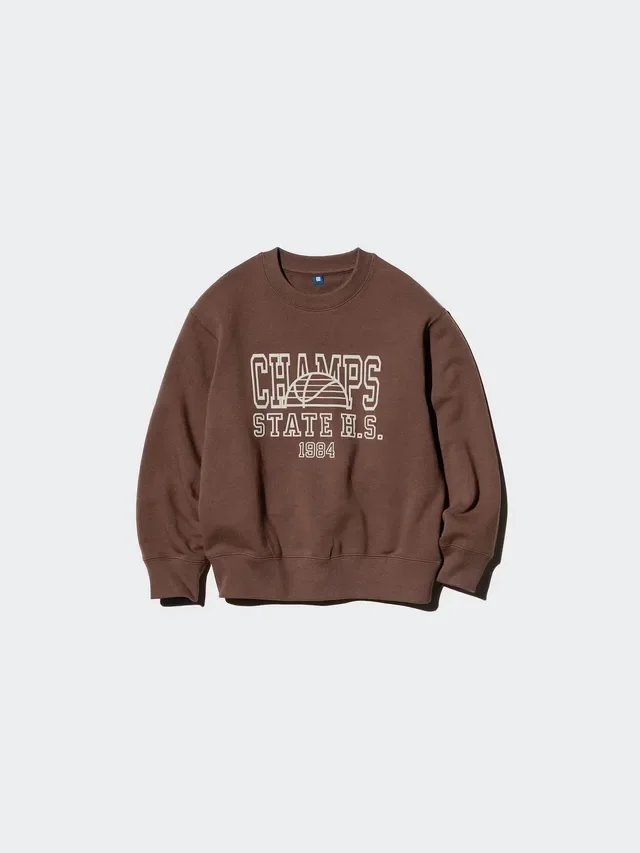
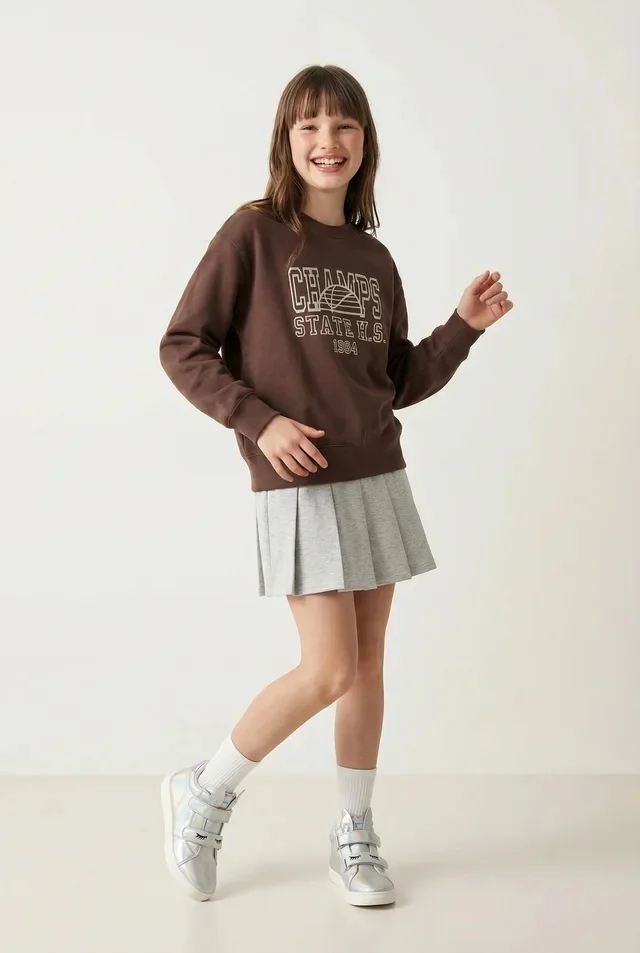
This shows an Astria result. The other platform was not tested with these same photos.
How we evaluated Astria and Caimera
We used six B2B buying questions: product fidelity on difficult garments, fashion-specific creative control, whether approved work can be reused, collection and channel coverage, collaboration and correction workflow, and commercial predictability.
Quick verdict: Astria vs Caimera
| Decision factor | Caimera | Astria | Winner |
|---|---|---|---|
| Professional fashion production | High-volume editorial, catalog, and ad imagery | Brand-directed production across ecommerce, lookbook, campaign, and social | Astria |
| Creative direction | Templates, a campaign ideas moodboard, and reference-inspired generation | Build and reuse casting, styling, scene, crop, lighting, and format direction | Astria |
| Casting and assets | A pool of AI fashion models; exclusive models and digital twins on Enterprise | Models across ages and body types, locations, poses, and reusable references | Astria |
| Template breadth | A large general template library for product and campaign visuals | Fashion-specific categories including apparel, beauty, jewelry, footwear, sports, luxury, and editorial | Astria |
| Product fidelity tools | Click swaps preserve garments from on-model bases; Fluid handles flat-lay transformations | Face-inpainting and refinement layer plus reusable references inside the production workflow | Astria |
| Motion | VooDoo video agent generates short fashion videos | Multiple current video options animate approved stills in the same workflow | Astria |
| Team production | Team collaboration from the Starter plan; Photoshop requests on higher tiers | Private workspaces and a multiplayer canvas with named cursors and live voice | Astria |
| Collection scale | Bulk flows generate images at volume, one independent generation at a time | The full SKU set imports from Shopify or Google Drive and runs against one approved setup | Astria |
| Commercial model for brands | Free tier and per-user credit plans; per-image credits accumulate across a collection | Brand pricing scoped to usage and the production engagement | Astria |
| Best fit | Ecommerce and growth teams producing fast self-serve product and ad imagery | Fashion brands producing on-brand ecommerce, lookbook, campaign, and social assets across a collection | Astria |
| Overall | The strongest self-serve option for fast product and ad imagery | The stronger platform for professional fashion production | Astria |
Reviewed August 2, 2026; no controlled image-quality benchmark was run.
Caimera: fast self-serve fashion imagery
Caimera positions itself as an AI photo studio for ecommerce brands. Its Fluid tool transforms a single product shot into editorial-style imagery, while its Click tool swaps models and backgrounds on existing on-model or mannequin photos. A bulk catalog flow converts flat lays to on-model shots at volume, and the company advertises upscale quality suitable for billboard use.
The workflow is deliberately prompt-light: upload a product, pick a template or describe a scene, generate, and refine with editing tools. A campaign ideas tool can read a brand's website or Pinterest board and propose moodboards. Caimera's own help documentation notes that Fluid works best when garment accuracy is not the top priority and recommends Click for delicate fabrics, textures, and sheer materials—an honest boundary that matters for demanding fashion work.
Astria: a professional fashion-production environment
Astria approaches the same category from the opposite direction. Instead of optimizing a single transformation, it gives fashion teams a workspace where products, casting, references, templates, and outputs live together. An approved look becomes a reusable recipe rather than a one-off generation.
Templates cover fashion-specific categories beyond standard apparel PDPs, and brand references keep results anchored to the brand rather than a generic AI aesthetic. Teams can operate the approved workflow without becoming prompt experts, and creative decisions survive personnel changes because they are encoded in the workspace, not in someone's chat history.
Public proof: two credible adoption stories
Caimera's case-study library is genuinely useful evidence: Adore Me, BlissClub, Floafers, Ioni Swim, and Maggie the Label describe measurable outcomes—higher click-through rates, lower CPAs, and large production-cost reductions. These are vendor-written accounts rather than independent benchmarks, but they show real commercial adoption, particularly for advertising imagery.
Astria's public materials show a broader professional base: recognizable brands including Ronny Kobo, Nununu, Gant, Lee Cooper, and Nine West, alongside studios and photographers running client work on the platform. This is also vendor-published evidence, but the signal points toward professional production use rather than purely self-serve image generation.
A realistic workflow comparison: a seasonal drop
Imagine a brand launching 60 garments needing four PDP images per SKU, a small lookbook, paid-social variations, and a late colorway addition.
With Caimera, the team uploads products, runs the bulk catalog flow, uses templates and the campaign ideas tool for social variants, and generates VooDoo videos for ads. Credit consumption is predictable and the queue moves fast. Each image, however, is largely an independent generation: changing the colorway or extending the campaign means re-entering prompts and re-checking consistency manually.
With Astria, the team defines casting, styling, lighting, and format once, approves the treatment, and runs the collection against it. The late colorway inherits the approved setup automatically. Campaign crops and video extend the same direction instead of restarting it, and reviewers work on the same board rather than trading screenshots.
The differences that matter most
Creative direction and repeatability — winner: Astria
Caimera's templates and moodboard tool accelerate ideation, but the unit of work remains the individual image. Astria makes the approved direction itself the reusable asset: casting, styling, scene, crop, and format persist across SKUs, channels, and contributors. That distinction compounds over a season.
Product fidelity and realism — winner: Astria
Both platforms take garment accuracy seriously, and Caimera's Click tool preserves garments well when starting from fitted product photography. But Caimera's documentation concedes Fluid's limits on intricate and sheer garments, and realism depends on which tool fits the input. Astria adds a dedicated face-inpainting and refinement pass that improves facial detail, skin, hair, and texture inside the workflow—a finishing layer rather than a manual correction request.
Stills, motion, and formats — winner: Astria
Caimera's VooDoo agent produces short fashion videos, which covers many ad needs. Astria offers a choice of current video-generation options so an approved still can be animated without leaving the workspace, alongside campaign, editorial, and social formats drawn from the same source assets.
Collaborative production — winner: Astria
Caimera supports team collaboration from its Starter plan and human Photoshop requests on higher tiers. Astria combines private brand workspaces with a multiplayer Board: teammates see named cursors, talk over the actual canvas, and resolve looks together—closer to a studio review than a ticketing queue.
Self-serve onboarding — winner: Caimera
This is Caimera's genuine edge, and the one concession that matters: self-serve onboarding mean a team can start the same day, without a sales conversation. It is an onboarding advantage, not a production-cost verdict—those plans meter per-image credits, so at collection scale the bill tracks how many generations, and regenerations, the work actually takes.
Collection scale and commercial fit — winner: Astria
Caimera's bulk packshot flows produce images at volume, but each output remains an independent generation, and per-image credits accumulate with every SKU, colorway, channel, and retry. Astria treats the collection as the unit of work: the SKU set imports from Shopify or Google Drive, the approved setup runs across it, and brand pricing is scoped to usage and the production engagement rather than metered image by image. A per-image price is not a production budget—model a full collection, including rework, before comparing costs.
Compounding production value — winner: Astria
In Astria, products, avatars, templates, approvals, and outputs accumulate: the photographer, in-house studio, and social agency work from the same source of truth. In Caimera, value accumulates mostly as a library of generated images. Both models deliver ROI; only one builds an owned creative capability.
Choose Caimera if...
- You need product or ad imagery quickly, without a sales cycle.
- Published per-seat pricing and credit rollover matter for budgeting.
- Your inputs are already well-shot product photos suited to swap or bulk flows.
- You want API access, DAM integrations, or bulk packshots.
- Ad-creative velocity matters more than owning a repeatable brand production system.
Choose Astria if...
- One approved creative direction must carry across a collection and its channels.
- A creative director or photographer needs to install a workflow other people can reuse.
- Casting, styling, and scene decisions must survive team changes and late colorways.
- Review should happen on a shared canvas with voice, not through exported files.
- Video and social should extend the campaign, not restart it.
The bottom line
For professional fashion brands, Astria is the stronger choice: it converts art direction into infrastructure. Caimera is a capable, honestly positioned tool for fast self-serve product and ad imagery—and the right answer when that is the entire job.
Do not decide from hero images. Test the second SKU, the difficult garment, and whether a teammate can reproduce the approved look without help.
What to test before choosing either platform
Run five representative SKUs—including one sheer, knit, or layered garment—through both products. Require PDP, detail, and campaign crops, then add a colorway after approval. Have a senior creative review outputs blind for garment fidelity, drape, anatomy, styling, and brand fit. Finally, ask a second operator to reproduce the approved direction from scratch. That last test separates image generators from production systems.
Frequently asked questions
Is Caimera an Astria alternative?
Yes, for AI-generated fashion and product imagery. They diverge when the job expands from generating individual images into running a repeatable, brand-directed production workflow across a collection.
Which is easier to budget, Astria or Caimera?
Caimera's published per-user plans make the first month easy to estimate, but per-image credits mean the real budget tracks generation volume and rework. Astria's brand pricing is scoped to the production, so model a full collection—not a single image—before comparing costs.
Can both turn flat lays into on-model photos?
Yes. Caimera offers dedicated flat-lay-to-on-model and swap tools, while Astria places product photos into reusable templates. Test difficult garments such as sheer, knit, or layered pieces before committing.
Which is better for ads versus a full collection?
Caimera is a fast way to produce individual product and ad images on self-serve plans. Astria is stronger when one approved creative direction must carry across a whole collection, campaigns, video, and social.
Is Astria better than Caimera for fashion brands?
For professional brands producing on-brand imagery across a collection and multiple channels, yes. Buyers who mainly need fast self-serve product imagery may find Caimera sufficient.
For adjacent decisions, see how Astria compares with Botika, Ayna, and Rawshot.
Still narrowing the field? The category map is in best AI fashion photography platforms, and how production actually runs is in the AI fashion photoshoot guide.
Sources and methodology
This article compares public product information available on August 2, 2026. Key sources include Caimera's product pages for its editorial and swap tools, its pricing and credit documentation, its help center articles on tool selection and campaign ideas, and its case-study library, plus Astria's fashion offering, template gallery, workspace documentation, and video documentation.
Pricing, plan limits, model libraries, and workflow support can change. Confirm current terms and test representative garments before making a production decision.
Explore Astria for fashion and ecommerce.
For current Astria rates and billing terms, see Astria pricing.