StyTrix Alternatives (2026): Design, Sampling, or Photoshoots?
The most useful StyTrix alternatives depend on what you need to approve next: a design idea, a garment that can be manufactured, or an image that can go on a product page. Those are different purchases. Start with Fermat for design iteration, Browzwear for technical 3D development, and Astria for product imagery.
This is a shortlist for teams considering several suppliers. For the narrower two-product decision, read Astria vs StyTrix.
Disclosure: Astria publishes this guide and is one of the options. Reviewed September 5, 2026 against public vendor material; no controlled image-quality, speed, or cost benchmark was run. Recommendations below are editorial judgments about workflow fit.
An Astria example: product photo to model image
The sweatshirt on the left is one of the product photos used to create the styled look on the right.
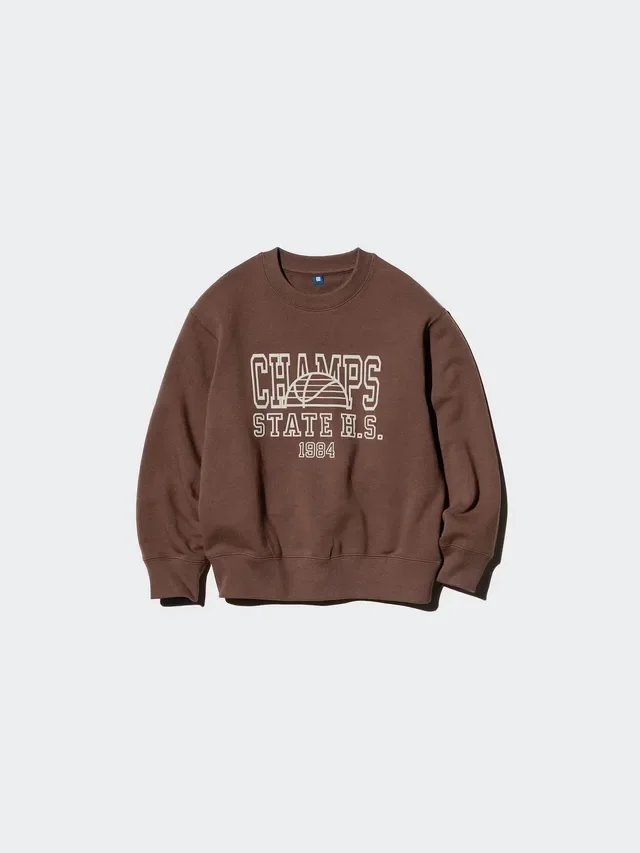
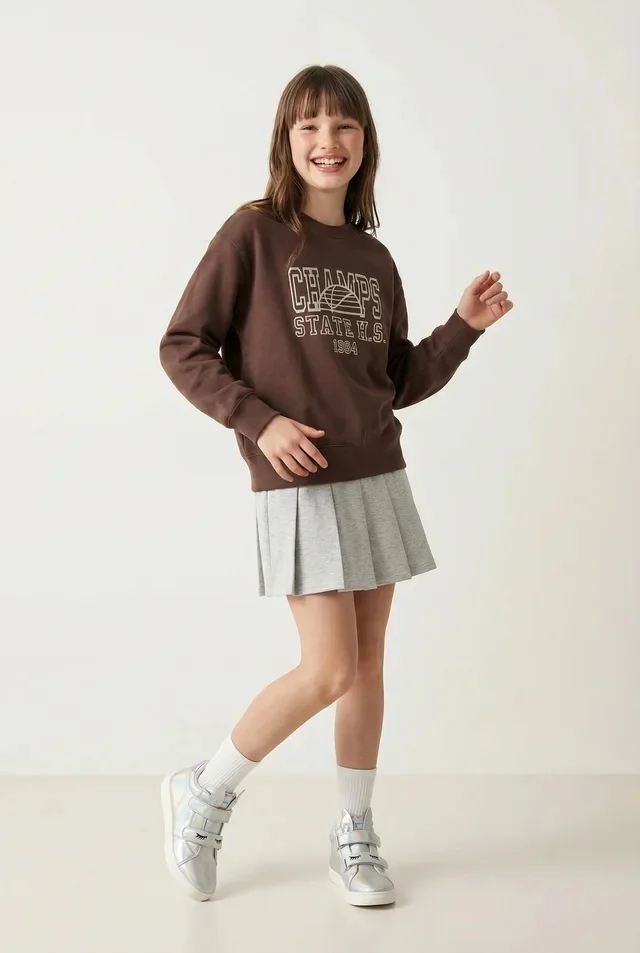
This shows an Astria result. The other platform was not tested with these same photos.
Choose the deliverable before the replacement
| Your next approval is… | Start the evaluation with | The test that matters |
|---|---|---|
| A concept, print, or material direction | Fermat alongside StyTrix | Change one design detail without losing the rest of the brief |
| A pattern, fit decision, or digital sample | Browzwear | Revise the actual pattern and inspect the simulated garment |
| A lookbook or campaign for products you already sell | Astria | Produce a coherent set, then add a product after approval |
| A client presentation on a shared design canvas | Your current StyTrix workflow | Establish a specific failure before paying to migrate |
Do not replace a design tool just because another platform makes attractive model photographs. Equally, do not buy a full technical development system to produce a few campaign frames. The handoff cost can outweigh the subscription difference.
Keep StyTrix when the shared design canvas is working
StyTrix's homepage describes collaborative visual design, including sketches, rendered garments, outfit compositions, and variations. Its tool catalog includes style training, model swapping, and virtual sampling. That is a reasonable starting point for a studio presenting options to a client.
Use StyTrix pricing for current plans, credit allowances, and automation access. Confirm checkout terms for your account rather than relying on a dated plan table in an article.
Before switching, write down the failed task. “We cannot get a clean sleeve revision” is useful. “Another tool has more credits” is not yet a production requirement.
Fermat: a close shortlist for visual design iteration
Fermat is the first alternative to investigate when you want to stay in image-based fashion design. Its product page shows sketch visualization, design changes, material and print work, and on-model imagery. It also describes photography workflows, so it should not be assessed only as a sketch renderer.
Why shortlist it: your team needs to explore the same design through several material, construction, or styling proposals. What to test: submit one approved sketch and ask for a sleeve change, a new fabric, and a print-scale revision separately. Have the designer mark every unintended change. A compelling output that quietly changes the garment is a failed revision.
Use Fermat pricing for current rates, credit usage, team access, and enterprise options. Budget for the same required deliverables and collaborators when comparing tools.
Stay with StyTrix if your existing canvas already handles the brief and Fermat does not improve the revision result enough to justify moving projects. See the separate Fermat comparison for its relationship to Astria.
Browzwear: when the missing piece is technical 3D work
Browzwear's platform overview positions VStitcher around garment development and fit validation, Stylezone around review, and Lotta around development from validated pattern blocks. Its main product description specifies physics-based simulation using fabric data.
Why shortlist it: the designer and technical team need to revise a garment's underlying construction, not just its appearance in an image. What to test: bring a real pattern, representative material data, and the person who will approve the result. Require a pattern change and review the resulting shape and tension before treating the visual as useful evidence.
The tradeoff: this evaluation needs technical inputs and skills. Budget for preparing those inputs and training the team. Ask for pricing against the required products, seats, and onboarding scope; a headline subscription is not the entire adoption cost.
If the deliverable is only a moodboard, that effort may not pay back. Our Browzwear comparison explains the distinction between digital garment development and fashion imagery.
Astria: when the collection needs imagery
Astria's fashion offering starts with product photos and templates, with outputs for lookbook, campaign, and social uses. That makes it a candidate when a designed collection is ready for visual production.
Why shortlist it: you need to test a repeatable photographic treatment across existing products. What to test: approve one direction, run five representative items, then ask another teammate to add a sixth. Judge product accuracy, visual consistency, and the effort needed to recover an approved result.
The limit: a photoshoot workflow is not a pattern editor. Keep the design tool if it is still doing valuable development work. Astria should earn the imagery brief through the collection production test, not through a claim to replace every design-room task.
Compare costs using one completed brief
Use a small brief you already understand: one jacket, three material proposals, two sleeve revisions, and one presentation export. Give each design tool the same inputs and stop when the designer accepts the result.
Record the subscription or trial cost, credits consumed, operator minutes, and accepted deliverables. Keep a separate test for technical 3D work and a separate one for photography; pooling all three would create a misleading league table.
Ask a second team member to reopen the work and make the final change. This reveals whether the output is easy to hand off or depends on the original operator remembering the process. Include that time in the decision.
For migration, retain the original sketches, product references, exported files, and approval notes. Move one capsule first. A change of tool should preserve the brief, even when the tools store projects differently.
Frequently asked questions
What is the best StyTrix alternative?
Shortlist Fermat for image-based design iteration, Browzwear for pattern-based 3D development, and Astria for imagery of existing products. The right choice depends on the deliverable; none is a universal replacement for every StyTrix workflow.
Is Fermat cheaper than StyTrix?
A lower subscription or larger credit number does not establish lower cost. Compare the same completed design brief, including revisions, required seats, and any enterprise features. Credits are different units across vendors.
Can generated fashion images replace technical sampling?
An attractive image does not establish garment measurements, construction, or physical fit. Use it for visual decisions; use pattern and material data, technical review, and appropriate sample checks for production approval.
Should a design team replace StyTrix with Astria?
Only if the work being moved is product imagery. Astria is worth evaluating for lookbook, campaign, and social assets; it is not a substitute for a pattern-development workflow. Keeping separate design and photography tools can be the better decision.
Sources and methodology
The linked first-party product, pricing, and documentation pages were checked on September 5, 2026. Use the linked pricing pages for current rates and billing terms. We did not test paid accounts, verify performance claims, or infer missing features from silence. The test briefs are proposed evaluation methods, not reported experiments. The cover is an editorial illustration, not a sample from a compared platform.
For a broader photography shortlist, continue to best AI fashion photography platforms. If the starting point is an existing product photo, the Lumoo alternatives guide covers that decision. Explore Astria templates when you are ready to test the imagery workflow.
For current Astria rates and billing terms, see Astria pricing.