Astria vs Lookgen (2026): Which Is Better for Fashion Brands?
Lookgen has picked a sharper target than most of this category: not a single garment on a model, but a complete styled look—items combined, accessories added, angles varied, then published straight into a PIM. It was built with professional stylists, and its Dutch and European retail references say the approach lands. Astria's scope is wider: producing everything a collection needs, from one approved creative direction.
The short answer: Astria is the clear overall winner for fashion brands producing a collection across its channels. Choose Lookgen when styled outfit merchandising, pushed automatically into your PIM, is the core of the job.
An Astria example: product photo to model image
The sweatshirt on the left is one of the product photos used to create the styled look on the right.
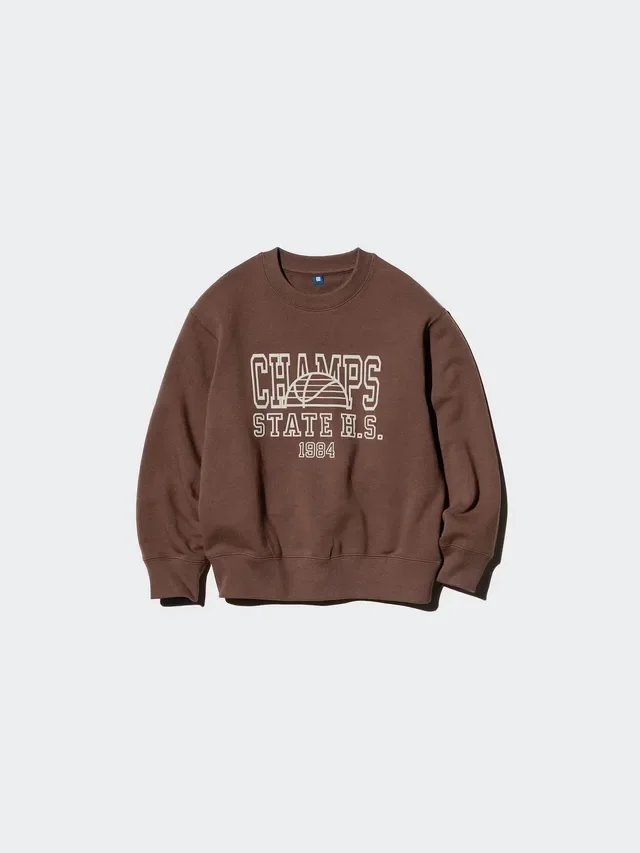

This shows an Astria result. The other platform was not tested with these same photos.
How we evaluated Astria and Lookgen
We used six B2B buying questions: what the product treats as the unit of work, how a brand gets access, casting and category depth, channel coverage across a season, how collaborators review creative, and how the commercial model behaves for a collection.
Quick verdict: Astria vs Lookgen
| Decision factor | Lookgen | Astria | Winner |
|---|---|---|---|
| Unit of work | A styled look, published to the catalog | An approved treatment applied across the collection and its channels | Astria |
| How you get access | Booked demo; no published pricing | Direct access for brands, studios, photographers, and educators | Astria |
| Professional fashion production | Styled on-model looks with accessories and angle variants | Brand-directed production across ecommerce, lookbook, campaign, and social | Astria |
| Creative direction | Stylist expertise built into the product; configured per look | Approved treatment — casting, styling, scene, crop, lighting, format — stored and reused | Astria |
| Casting and assets | AI models plus exclusive brand-only avatars | Models across ages and body types, including children and extended-size casting, plus locations and poses | Astria |
| Category coverage | Apparel looks, with accessories as components | Apparel, beauty, jewelry, footwear, sports, luxury, and editorial as full template categories | Astria |
| Natural-looking people | Photography-grade output claims | Face-inpainting and refinement layer inside the production workflow | Astria |
| Motion | Not offered in the material reviewed | Multiple current video options animate approved stills in the same workflow | Astria |
| Campaign and editorial work | Scenery and mood changes around a look | Campaign, editorial, and social treatments from the same approved setup | Astria |
| Review experience | Stylist-led creation and adjustment | Multiplayer canvas with named cursors and live voice over the actual looks | Astria |
| Collection scale | Look generation at volume, published through PIM | The full SKU set imports from Shopify or Google Drive and runs against one approved setup | Astria |
| Commercial model for brands | Not published; demo-led engagement | Brand pricing scoped to usage — pay for what you create | Astria |
| Outfit styling and PIM/DAM publishing | Purpose-built: combine items, add accessories, publish automatically | Not the product's focus | Lookgen |
| Best fit | Retailers merchandising styled combinations into a catalog | Fashion brands producing on-brand ecommerce, lookbook, campaign, and social assets across a collection | Astria |
| Overall | A focused look-merchandising engine | The stronger platform for professional fashion production | Astria |
Reviewed August 11, 2026; no controlled image-quality benchmark was run.
Lookgen: the look as the product
Lookgen's three-step flow is deliberately unglamorous: upload items in whatever form you have them—flat lay, hanger shot, ghost mannequin, straight off the rack—pick a virtual model, and generate. From there a stylist adjusts poses, swaps accessories, and fine-tunes, then extends the look to more camera angles and different sceneries before publishing.
Two things distinguish it. First, the emphasis on complete outfits rather than single products: accessories can be added in one click, from the brand's own collection or generated, and the customer testimonials repeatedly describe showing shoppers styling options rather than individual garments. Lookgen says it was built in collaboration with professional stylists so that expertise sits inside the product, and the framing rings true. Second, the publishing path: Lookgen connects to a PIM and DAM to import, code, and publish automatically, which for a European multi-brand retailer is often the part that decides whether a tool gets used at all.
Its published proof is a wall of named-person testimonials—WE Fashion, NAADAM, Esqualo, The English Hatter, Suitable, Arthur & Willemijn—which is a more checkable form of evidence than aggregate statistics, even though it remains vendor-published. Access is through a booked demo; no pricing is published.
Astria: a professional fashion-production environment
Astria's unit of work is not the look but the treatment behind it. Products, casting, references, templates, and outputs live in a brand workspace, and the approved combination of casting, styling, scene, crop, lighting, and format becomes the reusable thing.
That is a superset of look-building in practice. Astria produces the styled on-model shots, and it also produces the campaign frames, editorial spreads, social crops, and motion from the same direction. Categories go beyond apparel plus accessories into beauty, jewelry, footwear, sports, and luxury as full template disciplines, and the casting library spans ages and body types including children and extended sizes.
Public proof: named voices versus named brands
Lookgen's testimonials name individuals at recognizable European retailers, which makes them unusually verifiable for vendor content—you can look those people up. What they attest to is enthusiasm and early results in look creation, not measured production outcomes.
Astria's public materials name fashion brands—Ronny Kobo, Nununu, Gant, Lee Cooper, Nine West—alongside studios and photographers running client work. Also vendor-published. Both should be read as adoption signals.
A realistic workflow comparison: styling a season versus producing one
Consider a menswear retailer with 300 SKUs that merchandises by outfit: a jacket shown with the right shirt, trousers, and shoes, so shoppers buy three items instead of one.
Lookgen is well aimed at this. A stylist builds the looks, swaps accessories, generates angle variants, and the results publish into the PIM without a manual handoff. For catalog merchandising of styled combinations, that is a tight, purpose-built loop, and the retailer's ecommerce team gets exactly the assets it needs.
The gaps appear at the edges of the season. The spring campaign needs imagery with a point of view rather than a scenery swap. Social needs motion. The accessories line has a jewelry capsule that needs macro treatment, not one-click placement. A new hire needs to produce looks consistent with what the stylist established, and the direction lives in the stylist's choices rather than in a stored treatment. And the brand's freelance art director cannot join the work without a demo and a contract.
With Astria, the styled looks come from an approved treatment that also produces the campaign, the editorial frames, the social crops, and the motion. Jewelry and beauty have their own template categories. The art director works inside the brand workspace, reviewing on the multiplayer Board with live voice, and what the stylist decided is stored rather than remembered.
The differences that matter most
Outfit styling and PIM publishing — winner: Lookgen
This is Lookgen's genuine edge and the one concession that matters here. Building complete looks with one-click accessories, then importing, coding, and publishing automatically through a PIM and DAM, is a specific and valuable capability that Astria does not match. Retailers whose merchandising model is styled combinations, and whose content operation is PIM-driven, should evaluate Lookgen seriously on exactly that.
Coverage of the whole season — winner: Astria
Changing scenery around a look produces context; it does not produce a campaign. Lookbook, editorial, social-native crops, and motion are separate disciplines with their own conventions, and Astria treats them as expressions of one approved direction rather than as variations on a catalog shot.
Direction that is stored, not styled each time — winner: Astria
Having stylist expertise inside a product is genuinely valuable, and it is generic expertise: it knows how outfits work, not how this brand's outfits work. Astria stores the brand's own approved treatment so the next operator inherits a decision rather than a set of good defaults.
Casting and category depth — winner: Astria
Brand-only avatars are a real feature and a narrower one than a casting library spanning ages, body types, children's and extended-size representation, locations, and poses. Likewise, accessories as components differ from jewelry and beauty as production categories with their own lighting and framing conventions.
Access without a sales cycle — winner: Astria
Lookgen's route in is a demo, and no pricing is published, which means a brand cannot validate the tool on its own products before entering a conversation. Astria is used directly by brands and by the studios, photographers, and educators who serve them.
Collaboration and review — winner: Astria
Lookgen's model centers on a stylist creating and adjusting. Astria's multiplayer Board assumes a group decision: named cursors, live voice, and the production canvas shared with the photographer, the in-house team, and the agency.
Collection scale and commercial fit — winner: Astria
Both generate at volume. Astria's difference is where the collection enters and how far it travels: the SKU set imports from Shopify or Google Drive, runs against the approved treatment, and extends into every channel. With no published pricing on Lookgen's side, a brand also cannot model a season in advance; Astria's brand pricing is scoped to usage—pay for what you create. This article makes no claim about which is cheaper. Model a full collection, including campaign and social, before comparing.
Compounding production value — winner: Astria
In Astria, products, avatars, templates, approvals, and outputs accumulate in a workspace the whole production shares. In Lookgen, the durable output is a catalog full of well-styled looks — genuinely useful, and it does not make next season's campaign easier to produce.
Choose Lookgen if...
- Your merchandising model is styled outfits rather than single products.
- PIM and DAM publishing automation is a hard requirement of your content operation.
- A stylist-led, zero-prompt flow suits how your team works.
- Catalog looks are the bulk of your content need.
Choose Astria if...
- One approved creative direction must carry across catalog, lookbook, campaign, social, and motion.
- Your line includes categories beyond apparel and accessories.
- Casting depth across ages and body types is a production requirement.
- External art directors, photographers, or agencies should work inside the workspace.
- You want to validate the workflow on your own products before committing.
The bottom line
For fashion brands producing a full season, Astria is the stronger choice: it stores the brand's direction rather than restyling per look, and it covers the channels a collection actually needs. Lookgen is a well-focused product with a real specialism, and for a retailer merchandising styled combinations into a PIM it may be the more direct answer to that specific job.
What to test before choosing either platform
Build five looks in both, then ask for the campaign frame, the social crop, and a short clip derived from the same styling. Add an accessory category with different framing needs — jewelry or eyewear — and see what each requires. Check how a second person reproduces the first person's styling. Have a senior creative review outputs blind for garment fidelity, drape, anatomy, styling, and brand fit. Finally, ask Lookgen for pricing before the demo, so you can model a season.
Frequently asked questions
Is Lookgen an Astria alternative?
Yes, for generating styled on-model looks and publishing them to a catalog. They diverge beyond that: Lookgen is focused on look-building and PIM publishing, while Astria produces catalog, lookbook, campaign, social, and motion from one approved direction.
What is Lookgen best at?
Composing complete outfits. It was built with professional stylists, adds accessories with one click, and pushes finished looks into a PIM or DAM automatically — a strong fit for retailers merchandising styled combinations.
Can a brand try either without a sales call?
Lookgen's published route is a booked demo, with no public pricing in the material reviewed. Astria is used directly by brands and by the studios and photographers producing for them.
Which covers campaign, editorial, and video?
Astria. Lookgen offers editorial-style campaign imagery by changing scenery around a look. Astria treats campaign, editorial, social, and motion as expressions of the same approved treatment.
Is Astria better than Lookgen for fashion brands?
For producing a collection across every channel, yes: broader categories, deeper casting, live collaborative review, and no demo gate. Retailers whose central need is styled outfit merchandising pushed into a PIM should evaluate Lookgen on that basis.
For adjacent decisions, see how Astria compares with Looklet, Graswald, and Botika.
Still narrowing the field? The category map is in best AI fashion photography platforms, and how production actually runs is in the AI fashion photoshoot guide.
Sources and methodology
This article compares public product information available on August 11, 2026. Key sources include Lookgen's homepage describing its three-step flow, virtual models and brand-only avatars, accessory placement, camera angles, PIM and DAM automation, editorial scenery options, and its published customer testimonials, plus Astria's fashion and ecommerce offering, template gallery, workspace documentation, and video documentation. We did not find public pricing for Lookgen in this review.
Product scope, integrations, and commercial terms can change. Confirm current terms and test representative garments before making a production decision.
Explore Astria for fashion and ecommerce.
For current Astria rates and billing terms, see Astria pricing.