Astria vs Stylic (2026): Which Is Better for Fashion Brands?
Stylic is one of the cheapest ways to turn a product photo into an on-model image: upload, pick from a few hundred backgrounds and a few dozen models, download in about three minutes. It is aimed squarely at marketplace sellers—Shopify, Amazon, Meesho, and the Indian marketplace ecosystem—and it is priced accordingly. Astria answers a different brief, from brands and from the photographers and studios who produce for them.
The short answer: Astria is the clear overall winner for fashion brands. Choose Stylic if you are an individual marketplace seller who needs inexpensive listing images and nothing beyond them.
An Astria example: product photo to model image
The sweatshirt on the left is one of the product photos used to create the styled look on the right.
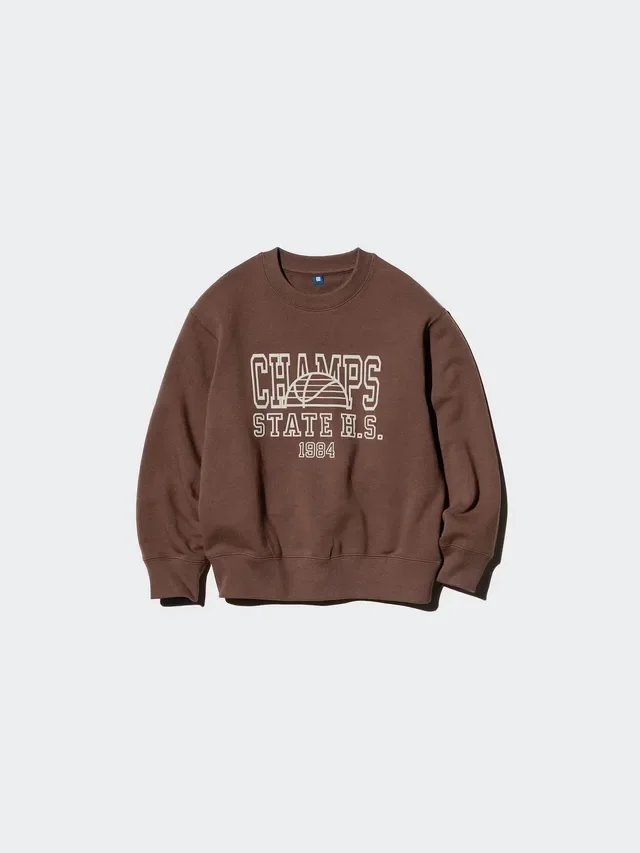
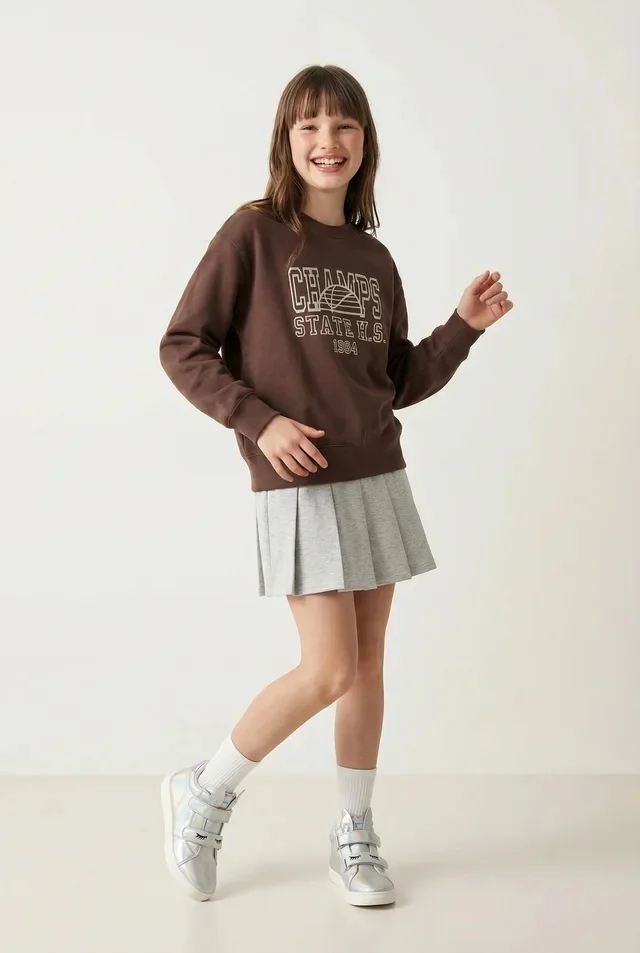
This shows an Astria result. The other platform was not tested with these same photos.
How we evaluated Astria and Stylic
We used six B2B buying questions: who the product is designed for, how creative direction is specified and whether it persists, casting and category depth, what evidence supports the vendor's claims, how a collection with revisions behaves, and what the team owns at the end.
Quick verdict: Astria vs Stylic
| Decision factor | Stylic | Astria | Winner |
|---|---|---|---|
| Intended buyer | Marketplace sellers and small D2C listings | Fashion brands, studios, photographers, and educators | Astria |
| Professional fashion production | On-model listing images from a product photo | Brand-directed production across ecommerce, lookbook, campaign, and social | Astria |
| Creative direction | Configured per photoshoot from background and model menus | Approved treatment — casting, styling, scene, crop, lighting, format — stored and reused | Astria |
| Casting and assets | A few dozen platform AI models, plus custom models | Models across ages and body types, including children and extended-size casting, plus locations and poses | Astria |
| Category coverage | Apparel listing photography | Apparel, beauty, jewelry, footwear, sports, luxury, and editorial templates | Astria |
| Natural-looking people | Regenerate until acceptable | Face-inpainting and refinement layer inside the production workflow | Astria |
| Motion | Not offered in the material reviewed | Multiple current video options animate approved stills in the same workflow | Astria |
| Campaign and lookbook work | Not the product's purpose | Campaign, editorial, and social treatments from the same approved setup | Astria |
| Team production | Single-operator tool in the material reviewed | Private workspaces and a multiplayer canvas with named cursors and live voice | Astria |
| Collection scale | Bulk and catalogue photoshoots, configured per run | The full SKU set imports from Shopify or Google Drive and runs against one approved setup | Astria |
| Commercial model for brands | Low monthly tiers sized for listing volume | Brand pricing scoped to usage — pay for what you create | Astria |
| Verifiable proof | Large vendor-published figures without stated methodology | Named fashion brands plus studios and photographers running client work | Astria |
| Time to first image | Roughly three minutes end to end, with no setup | A production setup that pays back across a collection | Stylic |
| Best fit | Individual sellers producing listing images cheaply | Fashion brands producing on-brand ecommerce, lookbook, campaign, and social assets across a collection | Astria |
| Overall | A cheap listing-image generator | The stronger platform for professional fashion production | Astria |
Reviewed August 11, 2026; no controlled image-quality benchmark was run.
Stylic: three minutes to a listing image
Stylic's promise is speed and price. The published workflow is three steps: upload a product image in any format, spend about a minute choosing from 500+ backgrounds and 30+ AI models, and download commercial-ready results roughly ninety seconds later. Features include single, multiple, and catalogue photoshoots, 4K and 8K output, brand watermarking, clothing colour change, custom AI models, and bulk creation. Check the vendor’s current pricing page for plans and enterprise terms.
The intended audience is stated plainly: Shopify stores, Amazon sellers, Meesho brands, D2C fashion labels, fashion startups, and creative agencies. The pricing, the marketplace orientation, and the rupee-denominated savings figure all point the same way—this is a tool for sellers, not a system for brands.
The published statistics deserve a sceptical read. Stylic cites 10,000+ fashion businesses in one place and 200+ fashion brands in another, alongside 2.4 million images generated, a rupee figure for photoshoot budget saved, and a claim that 94% of users replaced their photographer. No methodology accompanies any of them, and the two audience-size figures are hard to reconcile. None of this means the product is bad; it means a buyer should ask how each number was produced before treating it as evidence, and should weigh it against a company profile that is early-stage and light on named references.
Astria: a professional fashion-production environment
Astria's buyer list includes the people Stylic's headline claim positions against. Photographers, studios, and educators use Astria to install repeatable production workflows for brands—which is a useful signal about what the product is for.
Products, casting, references, templates, and outputs live in a brand workspace, and the approved treatment—casting, styling, scene, crop, lighting, format—is stored and reused rather than reconfigured per shoot. Templates span beauty, jewelry, footwear, sports, luxury, and editorial as distinct categories, casting covers ages and body types including children and extended sizes, and the same direction extends into campaign frames, social crops, and motion.
Public proof: numbers versus names
Stylic's evidence is aggregate and self-reported: user counts, images generated, savings, and a replacement statistic, with marketplace names such as Myntra and Flipkart mentioned as context rather than as customers with published stories.
Astria's public materials name fashion brands—Ronny Kobo, Nununu, Gant, Lee Cooper, Nine West—alongside studios and photographers running client work. Vendor-published too, and checkable in a different way: a named brand can be looked at, and a photographer can be asked.
A realistic workflow comparison: the seller who becomes a brand
Consider a label that started on marketplaces and is now launching its own site, with 70 styles, a stylist on retainer, and a founder who cares how the clothes are framed.
The Stylic era made sense: cheap listing images, generated fast, good enough for a marketplace grid where every competitor's photo looks similar. What breaks is not image quality—it is everything around it. The stylist's point of view cannot be stored, so each shoot is reconfigured from menus and drifts. The site needs a lookbook and campaign imagery, which the tool is not aimed at. Motion is not on offer. And when the founder asks for a warmer, tighter crop across all 70 styles, that is 70 reconfigurations rather than one edit.
With Astria, the stylist sets casting, styling, lighting, crop, and format once, the founder approves it, and the 70 styles run against that treatment imported from Shopify or Google Drive. The lookbook and campaign come from the same direction. The crop change is a single edit applied everywhere. And the stylist's judgment is now an asset the brand keeps.
The differences that matter most
Time to first image — winner: Stylic
This is Stylic's genuine edge and the one concession that matters here. About three minutes from upload to download, with no setup and nothing to configure beyond two menus, is a genuinely low barrier — and for a seller listing a handful of products it may be all that is required. No production system competes with that on immediacy, and there is nothing wrong with buying the simple thing when the simple thing is sufficient.
"Replacing the photographer" versus encoding the photographer — winner: Astria
Stylic's headline statistic frames AI as a substitute for a professional. Astria's position is the opposite, and it is not merely rhetorical: photographers and studios are among Astria's users because the product lets them encode a look and hand it to a brand's team to run. That is the difference between removing craft from the process and making craft repeatable. Brands that have paid for good creative direction generally want to keep it.
Direction that persists — winner: Astria
Configuring a shoot from menus produces a result. Storing an approved treatment produces consistency, because the thing being reused is the decision rather than the operator's memory of it. Over 70 styles and three channels, that is the whole difference between a collection and a folder.
Casting and category depth — winner: Astria
A few dozen platform models and a large background library cover routine apparel listings. They do not cover a children's line, extended-size representation, or the lighting and macro conventions that jewelry and beauty require. Astria treats those as first-class.
Channels beyond the listing — winner: Astria
Lookbook, campaign, editorial, and motion are not in Stylic's scope. For a marketplace seller that is a sensible omission. For a brand building a site and a social presence, it means the tool solves the smallest part of the problem.
Collaboration — winner: Astria
Stylic reads as a single-operator tool in the material reviewed. Astria's brand workspaces and multiplayer Board—named cursors, live voice over the actual canvas—exist because fashion production involves a stylist, a founder, an ecommerce lead, and often an agency looking at the same look.
Collection scale and commercial fit — winner: Astria
Bulk and catalogue photoshoot modes handle volume, and the plans are sized for listing throughput rather than for a season with revisions. Astria treats the collection as the unit of work and prices to usage—pay for what you create. This article makes no claim that Astria is cheaper; at these tiers Stylic plainly costs less per month. The question is what the money buys: listing images, or a production capability that carries a brand's direction across a collection.
Compounding production value — winner: Astria
After a year on Stylic, a seller has a large set of listing images. After a year on Astria, a brand has the images plus the casting, references, templates, and approvals that produced them—and the stylist's eye is still in the building.
Choose Stylic if...
- You are an individual marketplace seller and listing images are the entire job.
- Monthly cost is the primary constraint.
- Preset backgrounds and platform models cover your visual range.
- You do not need lookbook, campaign, motion, or team review.
Choose Astria if...
- You are building a brand rather than filling a marketplace grid.
- A stylist's or photographer's direction should be captured and reused, not replaced.
- Your line spans categories and age ranges beyond standard adult apparel.
- One approved creative direction must carry across catalog, lookbook, campaign, social, and motion.
- Review should happen on a shared canvas with the people who own the look.
The bottom line
For fashion brands, Astria is the stronger choice by a wide margin: it captures creative direction instead of substituting for it, covers the channels a brand actually sells through, and keeps the collection consistent as it grows. Stylic is a cheap, fast listing-image tool, and for a marketplace seller that is a perfectly reasonable thing to buy.
The moment you start caring how the clothes are framed, you have outgrown it.
What to test before choosing either platform
Run five representative styles through both, then add a colorway and change the crop convention after approval — count how many operations each change takes. Ask Stylic for the methodology behind its published statistics. Have a senior creative, or your stylist, review outputs blind for garment fidelity, drape, anatomy, styling, and brand fit. Finally, ask whether your creative partner can work inside the tool with you, or only hand you a brief.
Frequently asked questions
Is Stylic an Astria alternative?
For marketplace listing images, yes. Stylic is a low-cost, three-step generator aimed at Shopify, Amazon, and Indian marketplace sellers. Astria is a production system for brands and the photographers and studios producing their collections.
Does AI replace your photographer?
That framing sells tools; it does not describe professional practice. Astria is used by photographers and studios to install repeatable workflows for brands. The durable value is the creative direction, which is a person's judgment encoded — not removed.
How should I read Stylic's published statistics?
Carefully. Figures such as user counts, images generated, and budget saved are vendor-published without methodology, and its two audience-size claims sit oddly together. Ask how each was measured before treating any of them as evidence.
Which handles a full collection with revisions?
Astria. The SKU set imports from Shopify or Google Drive and runs against one approved treatment, and a direction change is an edit. Stylic's flow is configured per photoshoot rather than stored as a reusable brand treatment.
Is Astria better than Stylic for fashion brands?
For brands producing on-brand imagery across a collection and its channels, yes. Individual marketplace sellers who need cheap listing images and nothing more may find Stylic sufficient.
For adjacent decisions, see how Astria compares with Botika, Rawshot, and Ayna.
Still narrowing the field? The category map is in best AI fashion photography platforms, and how production actually runs is in the AI fashion photoshoot guide.
Sources and methodology
This article compares public product information available on August 11, 2026. Key sources include Stylic's homepage describing its three-step workflow, model and background libraries, feature list, target audiences, and published statistics, and its pricing tiers, plus Astria's fashion and ecommerce offering, template gallery, workspace documentation, and video documentation.
Pricing, feature scope, library sizes, and published statistics can change. Confirm current terms, request methodology for any performance claim, and test representative garments before making a production decision.
Explore Astria for fashion and ecommerce.
For current Astria rates and billing terms, see Astria pricing.