Astria vs Emilia AI Studio (2026): Which Is Better for Fashion Brands?
Emilia AI Studio turns a phone snap of a product into a studio-grade image in about forty seconds, and it does that across six product categories: general goods, jewelry, clothing, food and drink, furniture, and beauty. Built by a digital agency and available in English, Hebrew, and Spanish, it is a capable and genuinely broad ecommerce tool. Clothing is one of its six categories. For Astria, fashion is the whole product.
The short answer: Astria is the clear overall winner for fashion brands producing a collection and its channels. Choose Emilia when your range spans several product types, your volumes are modest, and a free tier with a strong hands-on editor is what you need.
An Astria example: product photo to model image
The sweatshirt on the left is one of the product photos used to create the styled look on the right.
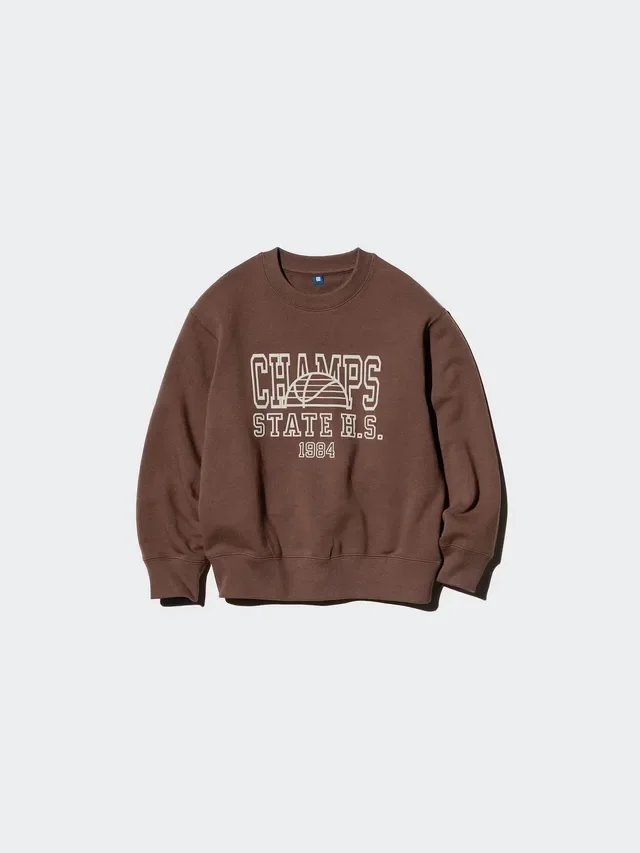
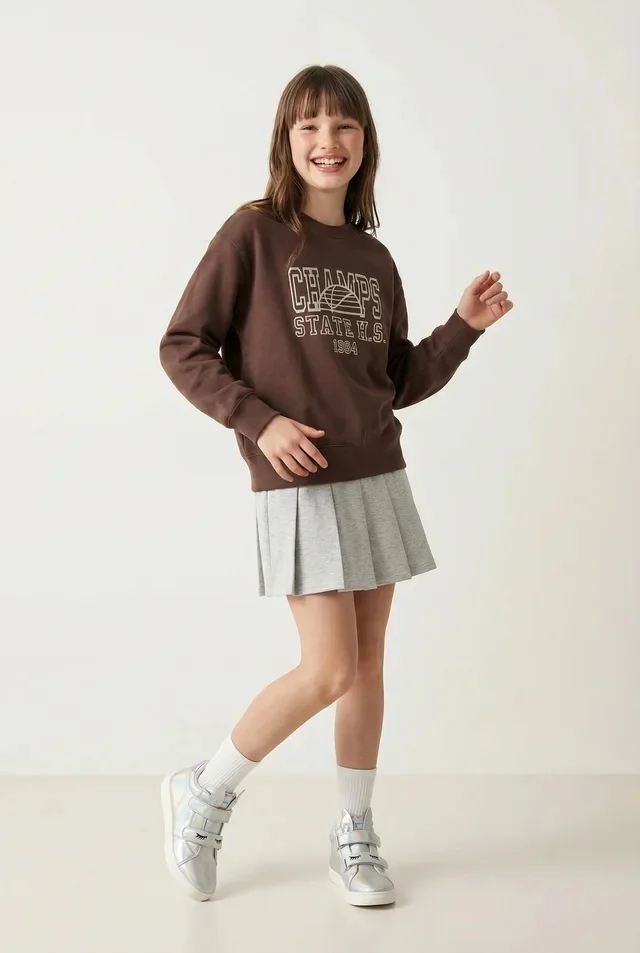
This shows an Astria result. The other platform was not tested with these same photos.
How we evaluated Astria and Emilia AI Studio
We used six B2B buying questions: how much of the product is about fashion specifically, whether casting can scale with a collection, what the plan structure limits, channel coverage across a season, how the meter behaves at catalog volume, and what evidence supports the vendor's claims.
Quick verdict: Astria vs Emilia AI Studio
| Decision factor | Emilia AI Studio | Astria | Winner |
|---|---|---|---|
| Category focus | Clothing is one of six categories, alongside food, furniture, and beauty | Built for fashion, end to end | Astria |
| Professional fashion production | Studio-grade product shots: packshot, with presenter, lifestyle scene | Brand-directed production across ecommerce, lookbook, campaign, and social | Astria |
| Creative direction | Style presets and campaign kits, selected per generation | Approved treatment — casting, styling, scene, crop, lighting, format — stored and reused | Astria |
| Casting | Custom presenters capped by plan: 1, 2, 5, 8, or 12 | Reusable casting library across ages and body types, including children and extended sizes | Astria |
| Reusable brand assets | Custom styles capped by plan, and image storage capped too | Products, casting, locations, poses, and references accumulate without plan entitlements | Astria |
| What "lookbook" means | Up to three variations of one product by angle or focal point | An editorial set expressing the collection's direction | Astria |
| Campaign and editorial work | Ready-made four-image campaign kits per category | Campaign, editorial, and social treatments from the same approved setup | Astria |
| Motion | Video generation not verified in the material reviewed | Multiple current video options animate approved stills in the same workflow | Astria |
| Catalog import | CSV upload and a WooCommerce plugin | SKU import from Shopify or Google Drive into a brand workspace | Astria |
| Team production | Single-account tool in the material reviewed | Private workspaces and a multiplayer canvas with named cursors and live voice | Astria |
| Collection scale | Credits charged by resolution; storage capped per plan | The full SKU set runs against one approved setup | Astria |
| Commercial model for brands | Monthly credit tiers plus one-time packs, with entitlements attached | Brand pricing scoped to usage — pay for what you create | Astria |
| Public customer proof | Aggregate statistics; no named brands or case studies found | Named fashion brands plus studios and photographers running client work | Astria |
| Hands-on image editing | Region-select editing with reference drop, filters, expand, background removal, upscaling | Face-inpainting and refinement inside the production workflow | Emilia AI Studio |
| Best fit | Small sellers with mixed product ranges | Fashion brands producing on-brand ecommerce, lookbook, campaign, and social assets across a collection | Astria |
| Overall | A broad, well-made ecommerce product studio | The stronger platform for professional fashion production | Astria |
Reviewed August 14, 2026; no controlled image-quality benchmark was run.
Emilia AI Studio: breadth across the shelf
Emilia's promise is compact and well executed: upload a product photo, pick a style, get campaign-ready images in seconds. Three output types anchor the experience—clean packshot, with presenter, and lifestyle scene—and six category libraries supply the style presets. Campaign kits produce ready-made sets of four images, applied all at once or chosen individually.
The editor is the part that stands out. Users draw on an image to mark a region, then describe the change or drop a reference image; there are move and remove operations, a proper filter set spanning instant film, teal and orange, high-key and low-key, bleach bypass, rim light, noir and more, plus background removal, simple and advanced expand, aspect-ratio resizing across eight ratios, and AI super-resolution up to 4K. That is more genuine editing craft than most self-serve generators in this category offer.
Practical touches are sensible too: a WooCommerce plugin and CSV upload for catalog import, bulk upload, a true free tier, and an interface available in English, Hebrew, and Spanish. The company describes itself as built by a digital agency, and it reports 150,000+ images generated, 5,000+ active businesses, 42+ countries, and around forty seconds per image.
Two things a fashion buyer should read carefully. The first is what "Lookbook" means here: up to three variations of one product from different angles or focal points. Useful, and not what a fashion team means by a lookbook. The second is the plan structure, discussed below.
Astria: a professional fashion-production environment
Astria narrows to fashion and spends the depth there. Products, casting, references, templates, and outputs live in a brand workspace, and the approved treatment—casting, styling, scene, crop, lighting, format—is the reusable unit that produces a season.
That means casting is a library rather than an entitlement, references accumulate rather than expiring against a storage cap, and templates encode the conventions of apparel, beauty, jewelry, footwear, sports, luxury, and editorial work as production disciplines. Campaign frames, editorial spreads, social crops, and motion all derive from the same approved direction, and review happens on a multiplayer Board with named cursors and live voice, with external photographers and agencies inside the same workspace.
Public proof: aggregate figures versus named brands
Emilia publishes volume statistics—images generated, active businesses, countries, average generation time. Those describe reach, and in the material we reviewed we found no named customer, case study, or testimonial. That is common for a self-serve product at this stage; it also means a buyer has nothing specific to verify.
Astria's public materials name fashion brands including Ronny Kobo, Nununu, Gant, Lee Cooper, and Nine West, alongside studios and photographers running client work. Vendor-published too, and at least checkable by looking.
A realistic workflow comparison: the day you need a third model
Consider a womenswear label with 60 styles going live, needing four images per style at 4K, plus campaign assets and social crops. The team evaluates Emilia against that complete brief.
The first week goes well. The editor is pleasant, packshots and lifestyle scenes look good, and the WooCommerce import saves real time. Then three constraints arrive together. Casting: the brand wants three recurring models for different segments of the line, so it needs to check that the plan supports its casting requirements. Credits: use current Emilia pricing to budget for every required image and rejected attempt. Storage: the plan caps stored images, so a season's output has to be managed against a ceiling.
Then the campaign brief lands. Campaign kits give four ready-made images per category, which is a starting point rather than a brand's campaign. A real lookbook is not three angle variations. Motion for social is not something we could verify the product does at all.
With Astria, casting is a library the brand builds and keeps, the 60 styles run against one approved treatment, the campaign and editorial frames come from that same direction, and motion animates stills that already passed review. Nothing in the season is rationed by a plan tier.
The differences that matter most
Hands-on image editing — winner: Emilia AI Studio
This is Emilia's genuine edge and the one concession that matters here. Region-select editing with a reference-image drop, a real filter set, expand, background removal, and super-resolution gives an operator direct manual control over a finished frame, and several larger competitors in this category offer less. If your work is a modest number of images that each need individual attention, that toolkit is a real advantage.
Fashion depth versus shelf breadth — winner: Astria
A product serving food, furniture, and apparel optimizes for what they share: a clean subject, a pleasing background, a consistent light. Fashion's hard parts are not shared—drape on a knit, how a sleeve breaks, casting that matches a brand's customer, a crop convention held across a collection. Emilia's jewelry and beauty categories are style presets for those product types; Astria's are production disciplines with their own casting, lighting, and framing logic.
Casting that scales with the collection — winner: Astria
This is the sharpest structural difference. Emilia makes custom-presenter access depend on the plan; check current Emilia pricing. For a seller shooting one product line that is generous. For a fashion brand, casting is not a feature allowance: a womenswear line, a kids range, and an extended-size offer are three casting requirements before anyone discusses campaigns. Astria treats casting as a reusable library, alongside locations, poses, and brand references that accumulate season over season.
What survives between sessions — winner: Astria
Style presets and campaign kits are chosen per generation; custom styles are capped and stored images have a ceiling. Astria stores the approved treatment itself, so the tenth SKU is produced the same way as the first by someone who was not there for the decision.
Coverage of the season — winner: Astria
Three angle variations are not a lookbook, and a four-image campaign kit is not a campaign. Editorial framing, social-native crops, and motion are separate disciplines, and Astria produces them as expressions of one approved direction rather than as presets applied to a product shot.
Collaboration — winner: Astria
Emilia reads as a single-account tool in the material reviewed, with subscription, credits, and referrals oriented around one operator. Astria's brand workspaces and multiplayer Board—named cursors, live voice over the production canvas—exist because fashion work passes between a stylist, an ecommerce lead, a photographer, and often an agency.
Collection scale and commercial fit — winner: Astria
Check Emilia pricing and Astria pricing for current rates and plan features. Model a full collection, including rework, collaborators, and every channel, before comparing costs.
Compounding production value — winner: Astria
In Astria, products, avatars, templates, approvals, and outputs accumulate in a workspace shared by the whole production, and next season starts from them. In Emilia, what accumulates is a stored image library — against a cap, and without the casting and direction that produced it.
Choose Emilia AI Studio if...
- Your range spans several product types — apparel plus homeware, food, or beauty.
- You want a strong manual editor for individually crafted frames.
- Volumes are modest and a free tier or one-time credit pack suits your buying.
- A Hebrew or Spanish interface, or a WooCommerce plugin, matters to your setup.
Choose Astria if...
- Fashion is the business, not one category among six.
- Casting must scale with the collection rather than sit in a plan entitlement.
- One approved creative direction must carry across catalog, lookbook, campaign, social, and motion.
- Your photographer, stylist, or agency should work inside the brand workspace.
- You want a real lookbook and a real campaign, not angle variations and preset kits.
The bottom line
For fashion brands, Astria is the stronger choice: it is built for how a collection is cast, directed, and produced, and nothing about the season is rationed by a plan tier. Emilia AI Studio is a well-made, genuinely broad ecommerce product studio with an unusually good editor — a sensible pick for a small seller whose shelf holds more than clothes.
What to test before choosing either platform
Count your casting needs first — how many recurring models does the line actually require? — and check that number against any per-plan presenter cap before you shortlist. Then price your real annual volume at the resolution you ship, including a realistic rejection rate. Run five representative styles through both, require PDP, detail, campaign, and social outputs, and add a colorway after approval. Have a senior creative review outputs blind for garment fidelity, drape, anatomy, styling, and brand fit. Finally, ask each vendor for a fashion customer you can contact.
Frequently asked questions
Is Emilia AI Studio an Astria alternative?
For single product shots, yes. Emilia is a general ecommerce product-photography studio where clothing is one of six categories alongside food, furniture, and beauty. Astria is built only for fashion production across a collection.
How many AI models can each platform hold?
Emilia caps custom presenters by plan — 1 on Free, 2 on Starter, and up to 12 on its highest published tier. Astria treats casting as a reusable library rather than a plan entitlement, which matters when a collection needs consistent models.
Is Emilia's Lookbook the same as a fashion lookbook?
No. Emilia's Lookbook generates up to three variations of one product from different angles or focal points. A fashion lookbook is an editorial set expressing a collection's direction, which is what Astria produces.
How does the credit model behave at collection scale?
Check Emilia pricing for current credit rates and allowances, and Astria pricing for Astria rates. Include the resolution you need and rejected attempts in the collection budget.
Is Astria better than Emilia AI Studio for fashion brands?
For brands producing a collection across channels, yes: fashion-specific depth, uncapped casting and references, campaign and editorial work, and motion. Small sellers with mixed product ranges may find Emilia's breadth and free tier a good fit.
For adjacent decisions, see how Astria compares with Stylic, Lumoo, and Botika.
Still narrowing the field? The category map is in best AI fashion photography platforms, and how production actually runs is in the AI fashion photoshoot guide.
Sources and methodology
This article compares public product information available on August 14, 2026. Key sources include Emilia AI Studio's homepage and studio interface describing its three output types, six category libraries, campaign kits, and editor operations, its about page with company background and published statistics, and its pricing page covering credit tiers, per-resolution credit costs, and the custom presenter, custom style, and storage limits on each plan, plus Astria's fashion and ecommerce offering, template gallery, workspace documentation, and video documentation.
Pricing, credit costs, plan entitlements, and product scope can change, and we could not verify video generation in the material reviewed. Confirm current terms and test representative garments before making a production decision.