Astria vs FashionLab (2026): Which Is Better for Fashion Brands?
FashionLab has done something none of the other tools in this comparison have tried: it has put a talent marketplace next to the generator. Brands batch-produce on-model imagery through a five-step flow, and they can also hire AI creative directors, prompt engineers, retouchers, and 3D artists inside the same platform. Astria's answer to the same underlying problem is different—make the creative direction itself reusable, so the brand needs less external help each season.
The short answer: Astria is the clear overall winner for fashion brands producing a collection across its channels. Choose FashionLab if you want to hire AI creative talent and buy retouching alongside the tooling.
An Astria example: product photo to model image
The sweatshirt on the left is one of the product photos used to create the styled look on the right.
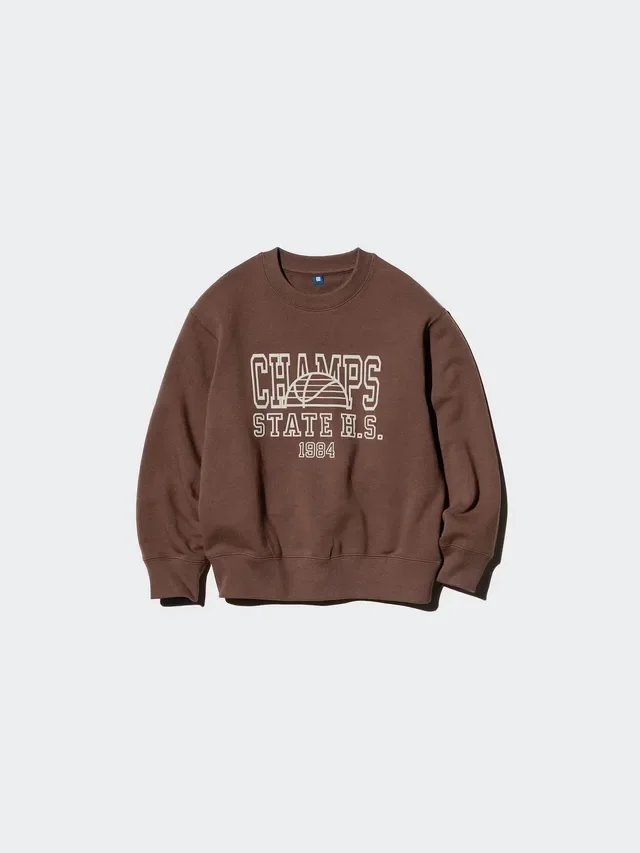
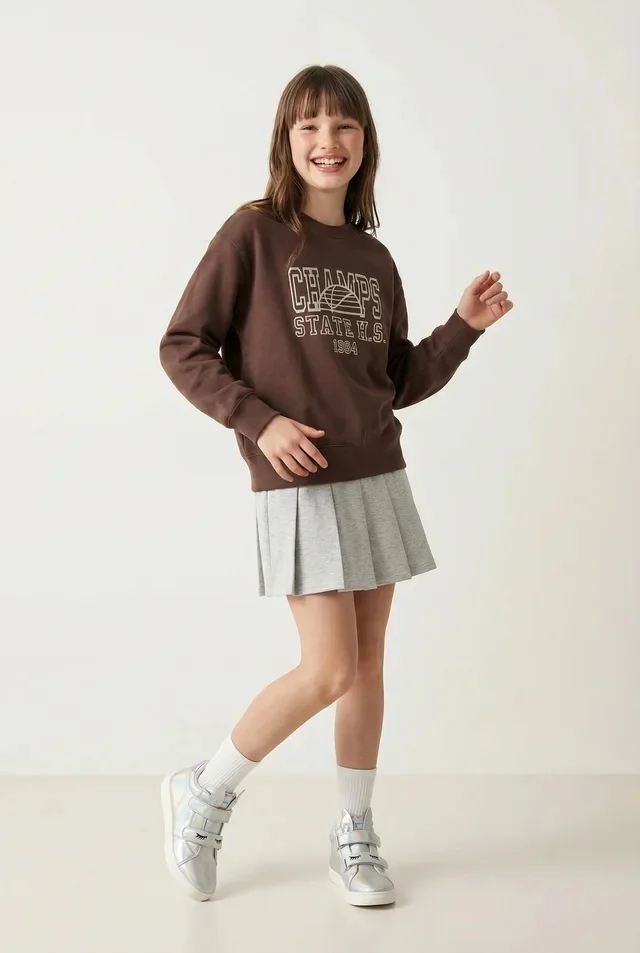
This shows an Astria result. The other platform was not tested with these same photos.
How we evaluated Astria and FashionLab
We used six B2B buying questions: how the brand gets to a repeatable result, whether creative direction is owned or hired, casting and category depth, channel coverage, how the account structure and meter behave across a catalog, and what evidence supports each vendor.
Quick verdict: Astria vs FashionLab
| Decision factor | FashionLab | Astria | Winner |
|---|---|---|---|
| How you get a repeatable result | Configure the batch flow; hire marketplace talent for the harder parts | Approve a treatment once and reuse it across the collection | Astria |
| Professional fashion production | Batch on-model imagery from garment references | Brand-directed production across ecommerce, lookbook, campaign, and social | Astria |
| Creative direction | Selected per batch: model, pose, background, styling | Approved treatment — casting, styling, scene, crop, lighting, format — stored and reused | Astria |
| Casting and assets | Free AI model library, custom brand models, licensed digital twins, kids and size-inclusive casting | Models across ages and body types, including children and extended-size casting, plus locations, poses, and brand references | Astria |
| Category coverage | Apparel and editorial projects | Apparel, beauty, jewelry, footwear, sports, luxury, and editorial templates | Astria |
| Natural-looking people | Professional retouching offered as a paid service | Face-inpainting and refinement layer inside the production workflow | Astria |
| Motion | Not offered in the material reviewed | Multiple current video options animate approved stills in the same workflow | Astria |
| Account structure | Brand and project access depends on plan | Private brand workspaces without per-project gating | Astria |
| Collaboration | Collaborator access depends on plan | Multiplayer canvas with named cursors and live voice over the actual looks | Astria |
| Collection scale | Batch generation metered in tokens per generation | The full SKU set imports from Shopify or Google Drive and runs against one approved setup | Astria |
| Commercial model for brands | Base plan plus per-seat, per-project, and per-token charges | Brand pricing scoped to usage — pay for what you create | Astria |
| Public proof | One named testimonial; "top Scandinavian brands" | Named fashion brands plus studios and photographers running client work | Astria |
| Access to AI creative talent | Marketplace for creative directors, prompt engineers, retouchers, and 3D artists | Not offered | FashionLab |
| Best fit | Brands wanting tooling plus hired creative talent in one place | Fashion brands producing on-brand ecommerce, lookbook, campaign, and social assets across a collection | Astria |
| Overall | A generator with a talent layer attached | The stronger platform for professional fashion production | Astria |
Reviewed August 13, 2026; no controlled image-quality benchmark was run.
FashionLab: generation plus a talent layer
FashionLab positions itself for brand and marketing teams producing on-brand AI content, and its core flow is a clean five-step batch: select garment references as flat lay or on-body, assign models, choose pose, choose background, then generate dozens of looks with consistent models and backgrounds. Generation times are quoted around ninety seconds, and the company is unusually candid about disclosing the underlying generation model it uses.
Its casting options are broader than most small competitors: a free library of diverse AI models, custom brand-specific models, and the option to hire authorized digital twins of real models and influencers. Its published use cases include kids fashion—explicitly framed around avoiding the complexity of photoshoots with minors—and size inclusivity, both of which are real production needs that many tools in this category ignore. Credit where it is due: that is a thoughtful use-case set.
The genuinely novel part is the Creative Marketplace. Brands can hire specialized talent for creative direction, prompting, retouching, and project management; creators can find paid projects from brands. A separate in-built professional retouching service handles polished finishing at scale. No other product in this comparison bundles a labour market with the software.
Check the vendor’s current pricing page for brand, project, seat, and token terms. Published proof is early: one named testimonial from a brand and marketing manager at Bruun Steengade, plus a reference to top Scandinavian brands.
Astria: a professional fashion-production environment
Astria's answer to the same problem is to make outside expertise less necessary each season. Products, casting, references, templates, and outputs live in a brand workspace, and the approved treatment—casting, styling, scene, crop, lighting, format—is stored so the next person runs it rather than rebuilding it.
That extends across categories and channels. Templates cover beauty, jewelry, footwear, sports, luxury, and editorial as distinct disciplines; the casting library spans ages and body types, including children and extended-size casting, alongside locations, poses, and brand references; and campaign, editorial, social, and motion all derive from the same direction. When a brand does bring in an outside photographer or art director, that person works inside the workspace and leaves the treatment behind.
Public proof: an early reference base versus named brands
FashionLab's public evidence is a single named testimonial and a regional claim. That is honest for a young product and it gives a buyer little to verify. Its marketplace, if it reaches liquidity, may become its strongest proof—brands returning to hire talent is a hard signal to fake.
Astria's public materials name fashion brands including Ronny Kobo, Nununu, Gant, Lee Cooper, and Nine West, alongside studios and photographers running client work. Vendor-published, and broader across brand size and contributor type.
A realistic workflow comparison: buying expertise versus keeping it
Consider a brand with three lines—womenswear, a kids range, and a small accessories capsule—producing roughly 200 SKUs a season.
On FashionLab, the batch flow handles the womenswear and kids imagery well, and the kids use case is a real strength. Where the model shows its shape is in the account structure and the economics of expertise. Check the current pricing page for the brand, project, collaborator, and generation capacity required by the full collection, including rejected frames. If the brand does not have a strong prompt-fluent operator, the marketplace answer is to hire one—which works, and which means the brand's creative consistency is a contractor relationship rather than a stored asset.
On Astria, each line gets a brand workspace, the treatment is approved once per line, and the 200 SKUs import from Shopify or Google Drive and run against it. The accessories capsule uses jewelry templates rather than being forced through an apparel flow. Motion for social comes from the same approved stills. When the brand hires an outside art director, that person works in the workspace and the direction stays after the invoice is paid.
The differences that matter most
A marketplace for AI creative talent — winner: FashionLab
This is FashionLab's genuine edge and the one concession that matters here. Hiring vetted creative directors, prompt engineers, retouchers, and 3D artists from inside the platform—plus a professional retouching service for polished finishing—solves a real problem: most brands adopting AI production do not yet have the skills in-house. Astria does not offer a labour marketplace. Brands that know they need people as much as software should weigh this seriously.
Owning the direction versus renting it — winner: Astria
The marketplace solves the skills gap by supplying a person. Astria solves it by making the output of that person durable: once a treatment is approved, running it does not require the expert. Both are legitimate strategies; only one of them costs less next season than it did this one.
Category coverage — winner: Astria
FashionLab's flow is built around garments on models, with editorial projects as a use case. A jewelry capsule, a beauty extension, or footwear macro work each carry conventions an apparel flow does not encode. Astria treats them as separate template categories.
Casting — winner: Astria, narrowly
This is closer than most rows in this comparison, and FashionLab deserves credit: a free model library, custom brand models, licensed digital twins, and explicit kids and size-inclusive use cases is a strong set. Astria's advantage is that casting sits alongside locations, poses, and brand references as reusable production assets that persist across seasons, rather than being selected per batch.
Motion — winner: Astria
We found no video capability in FashionLab's material reviewed. Astria animates approved stills with a choice of current video options inside the same workflow, so social motion carries the campaign's casting and styling.
Account structure and collaboration — winner: Astria
Brand, project, and collaborator allowances can affect a business with multiple lines and an outside agency. Check FashionLab pricing for current terms. Astria's brand workspaces and multiplayer Board with named cursors and live voice are built for that shape rather than metering it.
Collection scale and commercial fit — winner: Astria
Use the vendor’s current pricing page and Astria pricing to budget for the same collection. Include the required brands, collaborators, projects, output settings, and rework before comparing total production costs.
Compounding production value — winner: Astria
In Astria, products, avatars, templates, approvals, and outputs accumulate in a workspace shared by the whole production, and the next season starts from them. On FashionLab, what accumulates is a library of generated looks and, if you used the marketplace, a relationship with a freelancer.
Choose FashionLab if...
- You need to hire AI creative talent as much as you need software.
- A professional retouching service inside the platform is valuable to you.
- Your work centres on batch on-model apparel imagery, including kids and size-inclusive casting.
- A single brand and project fits your business, or the add-on costs are acceptable.
Choose Astria if...
- You want creative direction to become a brand asset rather than a hired service.
- Multiple lines or brands need their own workspaces without per-project charges.
- Your categories extend into beauty, jewelry, footwear, sports, or luxury.
- Social motion should carry the same casting and styling as the campaign.
- Review should happen on a shared canvas with voice, with your external partners inside it.
The bottom line
For fashion brands producing a full season, Astria is the stronger choice: broader categories, motion, workspaces that match how brands are actually organised, and a model where the expertise you pay for stays with you. FashionLab has built the most interesting answer to the skills gap in this category, and a brand that knows it needs people as well as tooling should take its marketplace seriously.
The question to settle before choosing: do you want to hire the expertise, or keep it?
What to test before choosing either platform
Price the whole shape of your business, not the entry plan: count brands, projects, seats, and a realistic annual generation volume including rejected frames. Run five representative SKUs through both, spanning at least two categories and including a kids or extended-size product if relevant, then add a colorway after approval. Ask for social motion derived from an approved still. Have a senior creative review outputs blind for garment fidelity, drape, anatomy, styling, and brand fit. Finally, ask what remains yours if you stop paying.
Frequently asked questions
Is FashionLab an Astria alternative?
Yes, for generating on-model fashion imagery in batches. The distinguishing part of FashionLab is its creative marketplace and retouching service; Astria's is producing a whole collection across every channel from one approved treatment.
What is FashionLab's strongest feature?
Its creative marketplace. Brands can hire AI creative directors, prompt engineers, retouchers, and 3D artists, and an in-built professional retouching service handles polished finishing at scale.
How does FashionLab's pricing scale to a catalog?
Check the current vendor pricing page for plan scope, collaborators, projects, and generation rates. Use Astria pricing for Astria rates, then budget for the full collection including rework.
Do both handle kids and size-inclusive casting?
Yes — both address them explicitly, and it is a genuine strength of FashionLab's use-case set. Astria additionally carries locations, poses, and brand references as reusable production assets alongside casting.
Is Astria better than FashionLab for fashion brands?
For producing a collection across channels, yes: broader categories, motion, multi-brand workspaces, and usage-scoped pricing. Brands that want to hire AI creative talent alongside the tooling should look closely at FashionLab's marketplace.
For adjacent decisions, see how Astria compares with Pixelz, Stoodio, and Lookgen.
Still narrowing the field? The category map is in best AI fashion photography platforms, and how production actually runs is in the AI fashion photoshoot guide.
Sources and methodology
This article compares public product information available on August 13, 2026. Key sources include FashionLab's homepage describing its five-step batch flow, model library and digital-twin options, published use cases, creative marketplace, and retouching service, and its pricing page covering the Basic plan's brand, project, and seat limits, add-on costs, and token package rates, plus Astria's fashion and ecommerce offering, template gallery, workspace documentation, and video documentation.
Pricing, token rates, plan limits, marketplace scope, and product features can change. Confirm current terms and test representative garments before making a production decision.