Astria vs Picjam: Listing Image Gaps and Fashion Production (2026)
Picjam and Astria approach fashion imagery from different starting points. Picjam scores listing coverage and generates missing shots; Astria starts from a creative template and product references. Test Picjam when deciding what a catalog needs next, and Astria when building the treatment for a collection.
Evidence status: Astria-authored comparison of public product documentation, reviewed October 15, 2026. We have not run a matched output-quality benchmark against Picjam.
Quick comparison: prioritization or creative production?
| Buying question | Picjam: published approach | Astria: evaluation focus |
|---|---|---|
| Which listings need more imagery? | Listing Image Score flags coverage gaps | Begin with your approved shot list or external audit |
| What fills a gap? | On-model, ghost mannequin, packshot, lifestyle and video generation | Match a product-reference workflow to the required shot |
| Must scoring come first? | No; Picjam also supports direct generation | Begin with the desired visual treatment |
| How is the brand direction chosen? | Evaluate the available model and styling workflow | Establish a reusable fashion template |
| What counts as success? | An accurate, complete product gallery | An accurate gallery and coherent collection treatment |
| Does a score establish revenue impact? | No causal result established in this review | No causal result established in this review |
The distinction is where the process starts. Both services need a real production test if they will create the final images.
Picjam review: score the listing, then fill the gaps
Picjam's platform description positions it as visual merchandising for ecommerce catalogs. It describes generating missing shots after scoring a listing, while also allowing teams to generate directly when they already know the shot they need.
Its Listing Image Score page explains the coverage categories: angles, lifestyle, on-model, flatlay and video. The proposed output is a prioritized production queue. This makes Picjam relevant when inconsistent product galleries leave an operations team unsure what to commission next.
Treat that queue as an input to merchandising judgment. Some products need a construction detail more urgently than a lifestyle frame. An unavailable back photograph is a source-material problem, even if the audit correctly identifies a missing back view.
Astria: produce the treatment the brief calls for
Astria's fashion workflow starts with creative templates and product photos. The workspaces gallery lets a team inspect collection directions before choosing or developing one.
That is a useful starting point when the missing-assets list is already clear and the work is establishing casting, styling and scene direction. A photographer or art director can define the treatment, then evaluate its reuse across later products.
This comparison does not establish an Astria equivalent to Picjam's documented listing-scoring product. It evaluates Astria as a production option for a defined brief.
Run a pilot on incomplete galleries
Select a small set of live product galleries with different weaknesses: one missing an on-model frame, one missing detail coverage, one with mismatched backgrounds and one with an incomplete outfit.
- Audit them manually first. Have merchandising record what each shopper needs to see and which source photos exist.
- Compare Picjam's available recommendations. Check whether the priority and proposed shot type agree with that brief.
- Create a fixed shot list. Give the same list and source files to both generation workflows.
- Review the assets against the products. Check construction, color, print and factual coverage before style.
- Assemble the galleries. Assess ordering, duplicated information, crops and consistency across products.
- Extend one treatment. Ask the team to add a later SKU without rebuilding the approved visual direction.
This separates the value of finding the work from the quality of doing it. A good audit can identify an important missing shot even when a generated candidate still fails product review.
The AI product photography guide covers image-production decisions, while the Shopify product media guide helps define the gallery deliverables.
A listing score and a commercial result are different measurements
Keep three records: coverage gaps closed, generated assets approved, and commercial performance after release. Do not turn a change in the first two into an unmeasured sales claim.
If you later test conversion, hold other changes steady where practical and use a suitable experiment. That commercial test happens after product approval; it should not reward a more flattering but inaccurate depiction.
Which should you shortlist?
Start with Picjam when the team needs help prioritizing missing catalog imagery and wants to evaluate scoring and production together. Ask for a demonstration using your own imperfect galleries.
Start with Astria when the shot list is known and the creative team needs to establish a reusable collection treatment from product references.
Evaluate a combined process if a catalog audit and creative production are separate responsibilities. Validate how the shot list, SKU IDs, references and approved outputs move between them. A native Picjam-to-Astria integration has not been tested or established here.
Pricing: scope the work being bought
Use Picjam's current pricing and Astria pricing. Confirm the scoring, generation and managed-service scope you actually need with each vendor.
Compare total effort per completed product gallery: audit, source preparation, generation, corrections, review and delivery. If an audit reduces unnecessary production, account for that separately from the cost and quality of the assets generated.
An Astria example with its supplied references
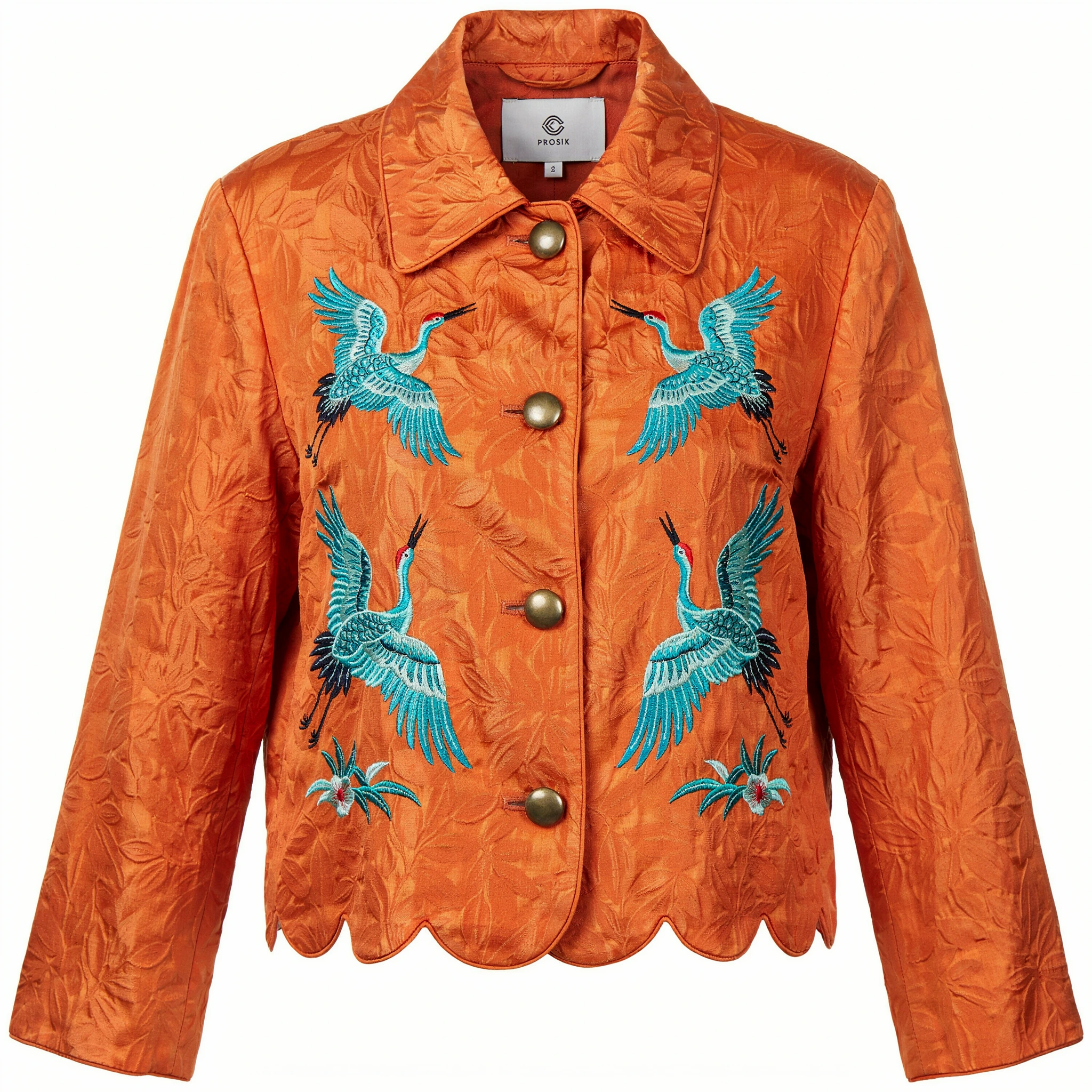

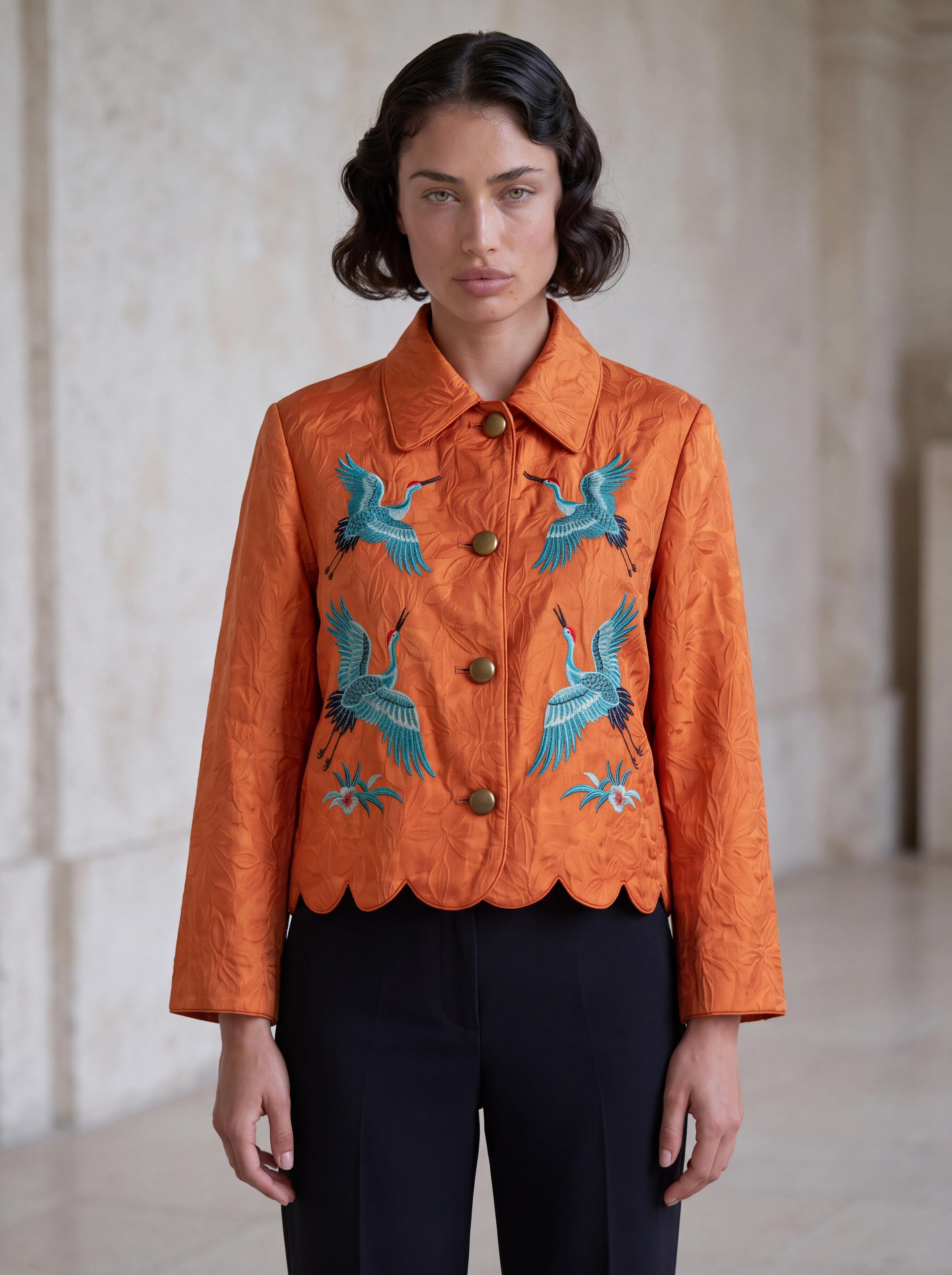
This existing Astria generation illustrates a reference-based treatment. It is not a matched competitor test or proof of catalog-wide accuracy. The cover uses a separate wide frame made from these same supplied references.
Frequently asked questions
Is Picjam only an AI fashion model generator?
No. Picjam describes visual merchandising that can score listing coverage and generate missing on-model, ghost mannequin, packshot, lifestyle and video assets. Direct generation is also available without scoring first.
Does a Picjam listing score prove a sales improvement?
No. A coverage score can help prioritize assets, but it does not establish a conversion uplift for your store. Measure commercial outcomes separately after approving the imagery.
Could Picjam and Astria be used together?
Potentially. A team could use a listing audit to define missing shots and evaluate Astria for their creative production. Validate the manual or integrated handoff; this review has not tested a native connection between the services.
Sources and methodology
Reviewed October 15, 2026. Vendor capabilities above are published claims; the pilot instructions are our assessment of what a buyer should test. The Astria illustration is an existing synthetic fixture, not a customer result or a competitor output. No measured speed, conversion or fidelity winner is claimed.
Primary sources: Picjam platform, Picjam Listing Image Score, Picjam pricing, Astria fashion offering, Astria brand workspaces. Feature scope and access can change; recheck the linked vendor pages before buying.
For the wider shortlist, see best AI fashion photography platforms.