Astria vs WeShop AI: Fashion Tools and Repeatable Collections (2026)
WeShop AI and Astria both support fashion imagery from product references. Evaluate WeShop AI for its range of fashion, editing and video tools; evaluate Astria for a reusable template-led collection workflow. The important test is how much approved product and brand context survives each tool change.
Evidence status: Astria-authored comparison of public product documentation, reviewed October 15, 2026. We have not run a matched output-quality benchmark against WeShop AI.
Quick comparison for a collection workflow
| Requirement | WeShop AI: published offering | Astria: what to evaluate |
|---|---|---|
| Put products on models | Virtual Try-On and AI Fashion Model | Product references in a fashion template |
| Expand the image set | Pose, outfit and editing tools | Extend the approved collection treatment |
| Create motion | Video tools and model selection | Scope a video workflow from an approved still |
| Reuse brand context | Test what carries between tools and runs | Test reference and template reuse |
| Integrate production | Published API documentation | Published API and your delivery process |
| Judge a winner | Approved SKU coverage and operating effort | Approved SKU coverage and operating effort |
This is a workflow comparison. No matched image-quality test establishes a winner here.
WeShop AI review: a wide toolset for commerce imagery
WeShop AI's platform lists fashion models, product imagery, virtual try-on, pose and outfit tools, image corrections and video. It also promotes several underlying image and video models. For buyers, that breadth creates several possible production routes worth testing.
Its Virtual Try-On page describes supplying a garment image and choosing a model or setting. The AI Fashion Model page also covers flatlay or mannequin inputs, pose variation and styled outfits.
WeShop publishes an API documentation entry point. An integration team should confirm the exact supported operations rather than assuming every web tool is exposed in the same form through the API.
Astria: organize the work around a reusable treatment
Astria's fashion offering combines product photos and creative templates. Its public workspaces provide examples of collection direction.
Include Astria when a creative operator needs to establish the casting, styling and visual rules before a brand team produces later looks. If production will be automated, include the Astria API and delivery process in the same evaluation.
The meaningful distinction is what the operator has to preserve and repeat. A broad toolset can support a repeatable process, and a saved template can still need considerable review. Test both possibilities with the same brief.
Follow one garment through the entire workflow
Choose a patterned jacket, plain top, layered outfit and product with distinctive hardware. Give both platforms the same source files, casting reference and required shots. Include detail and back photographs for any view that needs them.
- Create the first approved model image. Check the product before approving the overall look.
- Request a pose change. Keep casting, outfit and scene direction fixed.
- Make one local correction. Ask for a specific fix and inspect the rest of the frame for unintended changes.
- Extend to a second garment. Reuse the treatment and record any repeated setup.
- Prepare the channel crops. Check whether required details remain visible after resizing or expansion.
- Try motion if it is part of the brief. Start from an approved still and inspect product consistency throughout the clip.
Record the settings and references that carry through each step. Count downloads, reuploads, repeated descriptions and manual repairs. Those steps are not automatically disqualifying, but they belong in the operating estimate.
Use the fashion photoshoot guide to define the still-image brief and the apparel product video guide when motion is required.
Do not let model choice replace a production specification
The same named model can be exposed through different controls, input paths and defaults. A comparison based only on a model menu does not tell the team how garment references, casting and corrections will be handled.
Keep a fixed brief first. If you change the underlying model during the pilot, record it and repeat the relevant checks. Do not compare a carefully tuned best-case result from one platform with an unrelated default run from the other.
Which belongs on your shortlist?
Start with WeShop AI when access to a range of fashion and editing tools is central to the brief. Check how the garment and brand context moves between those tools, and whether the intended API operations are available if you need automation.
Start with Astria when you want to establish a reusable collection treatment with a creative specialist and carry it into later product runs. Ask another operator to produce the next look as part of the decision.
Choose after reviewing the completed set, revision history and handoff effort. Neither the number of tools nor a polished homepage gallery proves which platform fits your collection better.
Pricing for the complete workflow
Use WeShop AI pricing and Astria pricing. Confirm the relevant tools, resolution, video and API access directly with the vendor.
Build an estimate for the whole approved set, including generation, retries, local corrections and review. If the process changes tools several times, include the transfer work. Compare that total with the value of the repeatable workflow your team actually needs.
An Astria example with its supplied references
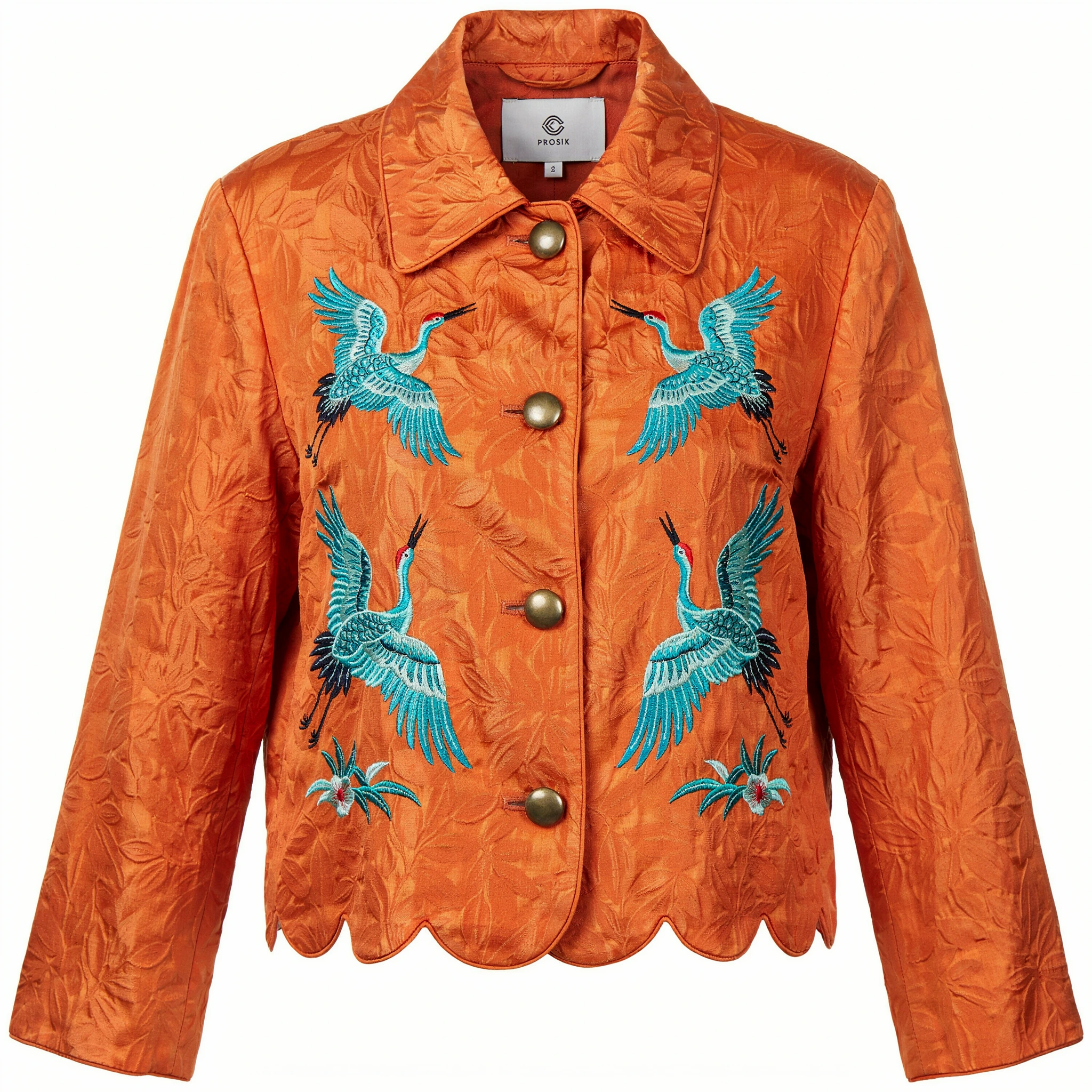
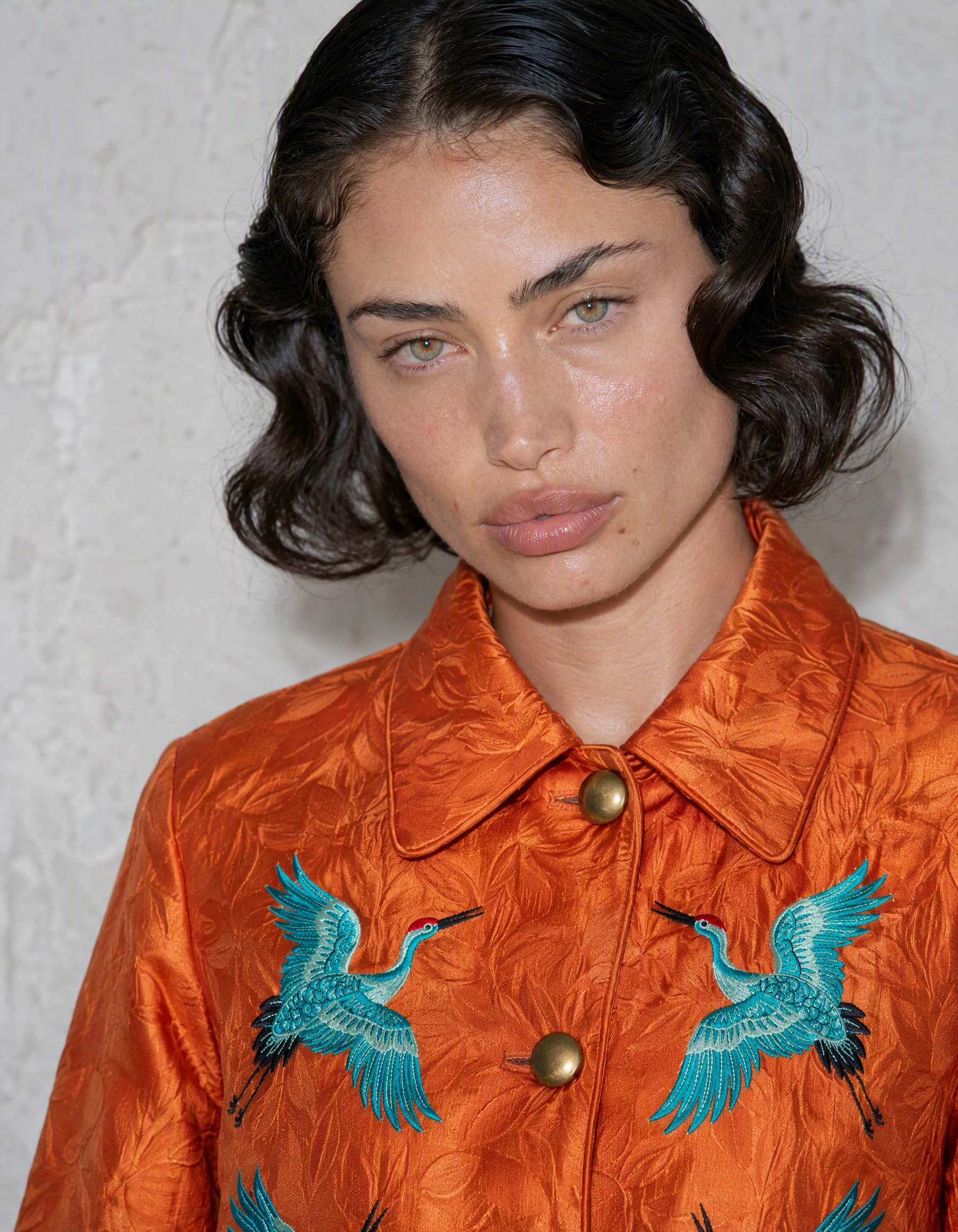
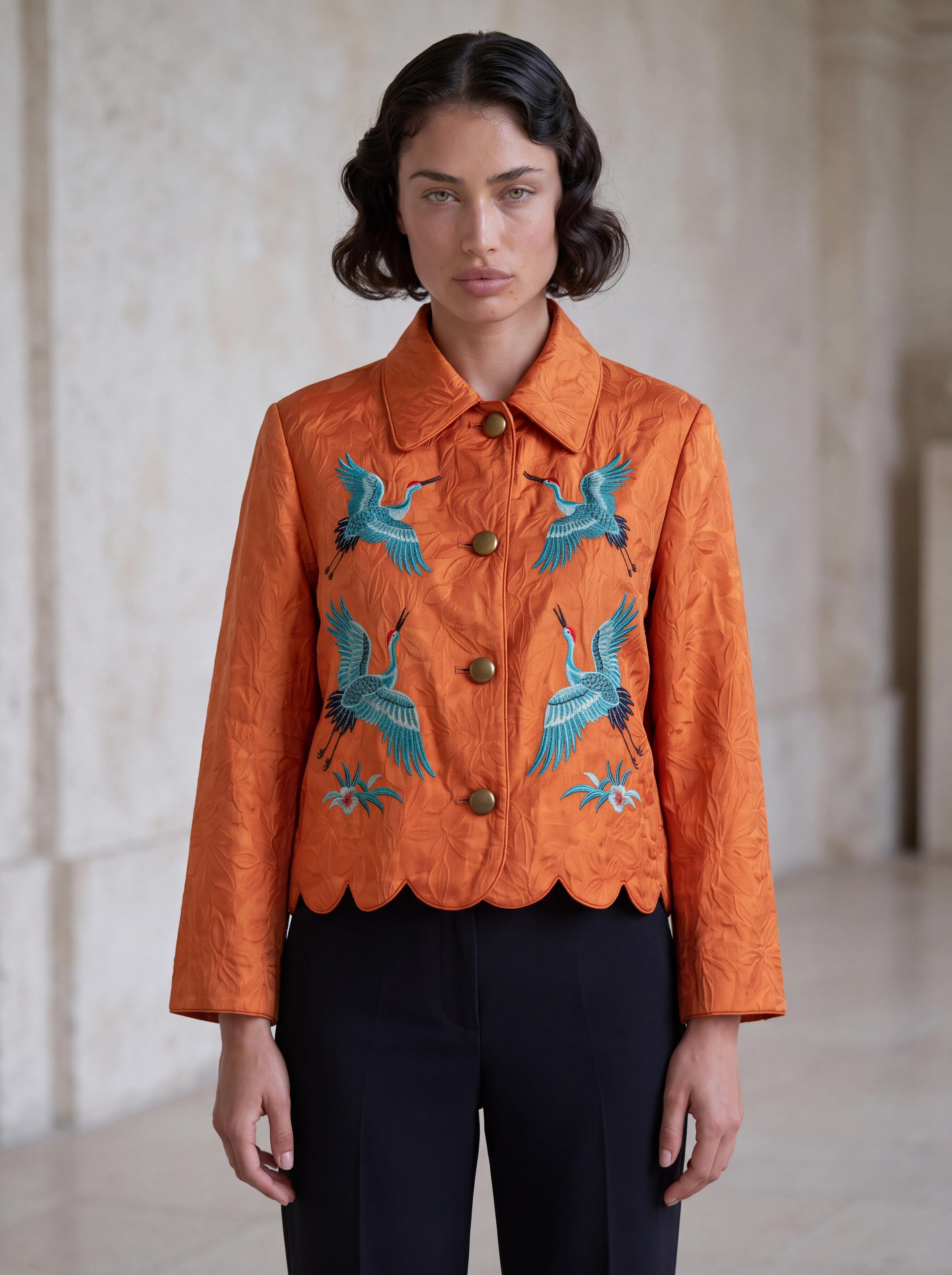
This existing Astria generation illustrates a reference-based treatment. It is not a matched competitor test or proof of catalog-wide accuracy. The cover uses a separate wide frame made from these same supplied references.
Frequently asked questions
Does WeShop AI offer fashion workflows beyond virtual try-on?
Yes. Its public site lists fashion model generation, product photography, outfit and pose tools, image editing and video. Availability should be checked for the workflow you intend to use.
Does WeShop AI provide an API?
Yes. WeShop publishes API documentation, including authorization and an API reference. Confirm that the particular fashion operations and model settings your integration needs are supported.
Does offering many AI models guarantee better fashion images?
No. Model availability does not establish garment accuracy or a repeatable production process. Test a fixed collection brief and track corrections across the whole workflow.
Sources and methodology
Reviewed October 15, 2026. Vendor capabilities above are published claims; the pilot instructions are our assessment of what a buyer should test. The Astria illustration is an existing synthetic fixture, not a customer result or a competitor output. No measured speed, conversion or fidelity winner is claimed.
Primary sources: WeShop AI platform, WeShop Virtual Try-On, WeShop AI Fashion Model, WeShop API authorization, WeShop pricing, Astria fashion offering, Astria brand workspaces. Feature scope and access can change; recheck the linked vendor pages before buying.
For the wider shortlist, see best AI fashion photography platforms.