Astria vs Artiso: AI Photoshoots or Fashion Design Workflows? (2026)
For a fashion brand or studio producing repeatable lookbooks and campaigns from existing products, Astria is our recommendation. The deliverable is an approved photoshoot setup that a colleague can reuse for the next garment. Artiso deserves consideration when the buying brief also includes designing the collection and preparing it for production.
Evidence status: Astria-authored comparison of public product information, reviewed October 29, 2026. We have not tested Artiso inside an account or run a matched image-quality benchmark. Recommendations below concern workflow fit.
Quick comparison: choose the work you need to repeat
| Buying requirement | Artiso: published scope | Astria: evaluation focus |
|---|---|---|
| Develop a collection | Archive, moodboards, design variations and prints | Start from the approved products and shoot brief |
| Prepare technical handoff | Technical drawings, tech packs, PLM and supplier integration | Confirm technical-development needs separately |
| Produce launch imagery | Avatars, lookbooks, ecommerce images and video | Reuse casting, product references and creative templates |
| Preserve brand direction | Brand memory across its workflow | Save and extend the approved photoshoot setup |
| Evaluate repeatability | Demonstrate a second collection and operator handoff | Run the next garment through the saved template |
The Artiso column summarizes its product overview. Astria's fashion page presents a template-and-product-input workflow. These are starting points for an evaluation, not measured performance rankings.
What Artiso is built around
Artiso positions itself as a fashion operating system. Its October 28 announcement describes connecting creative direction, design, product development and marketing through shared brand knowledge. It identifies mid-sized and enterprise fashion businesses as customers and describes enterprise rollouts as a development priority. Those are company statements, not adoption figures we independently verified.
Its founder page identifies Sarah Iglesias Hiller, Lucas Pastur Romay and Matthias Brenninkmeijer, with backgrounds in creative direction, generative AI and data science at Mango. That background helps explain the product's emphasis on connecting fashion departments; it does not establish output quality.
For a design director, the useful demonstration would follow one evolving garment through decisions and revisions. Ask the operator to show how a changed detail reaches every dependent deliverable. A polished campaign frame alone cannot establish that the technical handoff is complete.
Where Astria fits: an approved shoot that another person can run
Astria organizes fashion production around workspaces, references, templates and boards. A photographer or creative studio can establish casting, lighting, framing and styling, then make that treatment reusable for the brand. Our template guide explains how to preserve the setup; the lookbook guide covers planning a coherent collection.
The buyer outcome is concrete: after approving a jacket image, add the next garment without rebuilding the creative brief. Keep the reference evidence next to the result so the reviewer can distinguish an attractive image from a faithful representation of the item for sale.
This is why we recommend Astria for a team whose immediate job is visual production. Make the reusable setup part of the deliverable, along with the finished images. A studio handoff should let the brand continue the work without depending on the original operator's memory.
Artiso's stated brand-memory approach means reuse is an evaluation question for both products. Do not assume it lacks persistent brand context because Astria uses templates. Test which approved decisions survive the next request.
A pilot that separates creative exploration from product fidelity
Use a small capsule with a patterned jacket, a textured knit and a second colorway. Supply the same rights-cleared product photographs, casting reference and creative brief to both teams. Keep the requested aspect ratio, output count and resolution equivalent where supported; record incompatible input paths.
- Label what may change. In a design exploration, changing a collar may be the point. For a product-page image of an existing SKU, that same change is a defect. Write the rule into the brief.
- Approve a catalog frame. Check silhouette, fastenings, motif placement, color and visible construction against the supplied references. Record rejected attempts as well as the accepted image.
- Extend the treatment. Request a campaign frame and a closer crop with the same casting and product. Check whether the garment remains accurate as the composition changes.
- Replace only the colorway. Identify any unintended changes to styling, scene or product geometry. Count the revisions needed to recover the approved treatment.
- Hand off the next garment. Give another operator the saved setup and source pack. Record which decisions they can reuse and which they must reconstruct.
- Test technical delivery separately if required. Have your garment technologist inspect the exported technical material and demonstrate a real supplier or PLM handoff. Do not score this through the appearance of the campaign images.
Keep two scorecards: product accuracy and operational effort. Include preparation, review, corrections and handoff time. A beautiful first result does not compensate for a workflow that loses approved details on the second garment.
For source preparation, see choosing product reference photos. The pilot above is a proposed evaluation, not a report of tests we have completed.
An Astria illustration with its supplied references
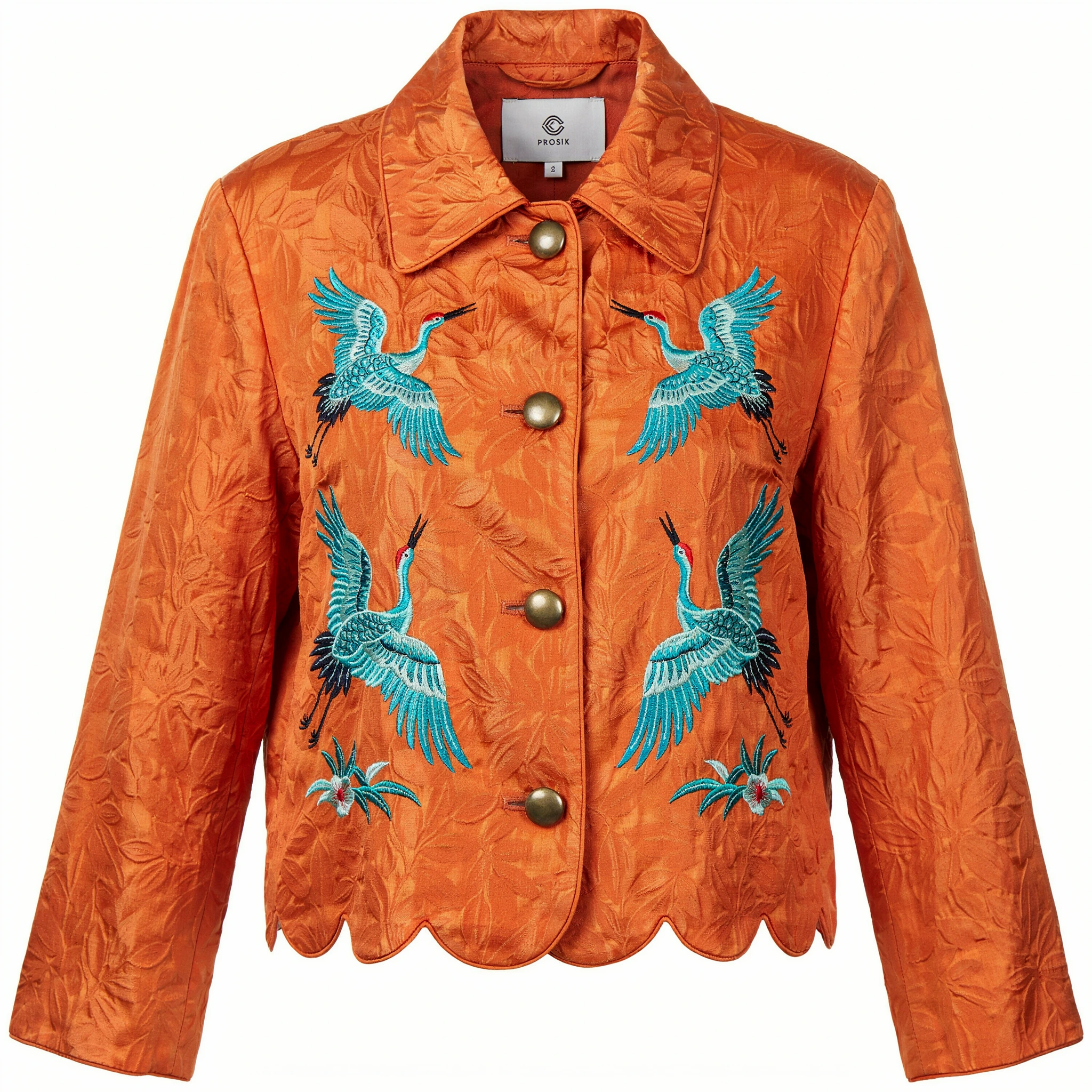
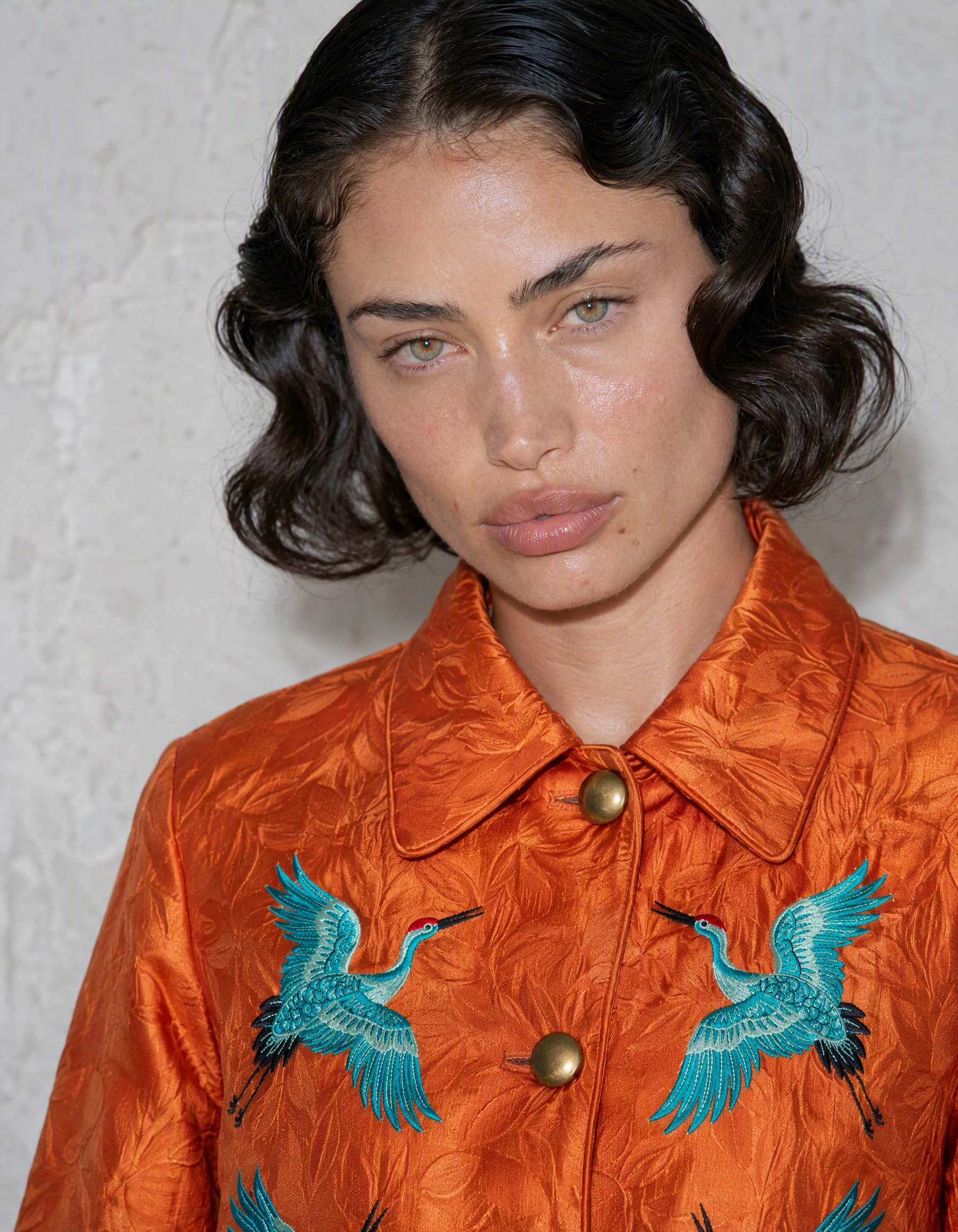
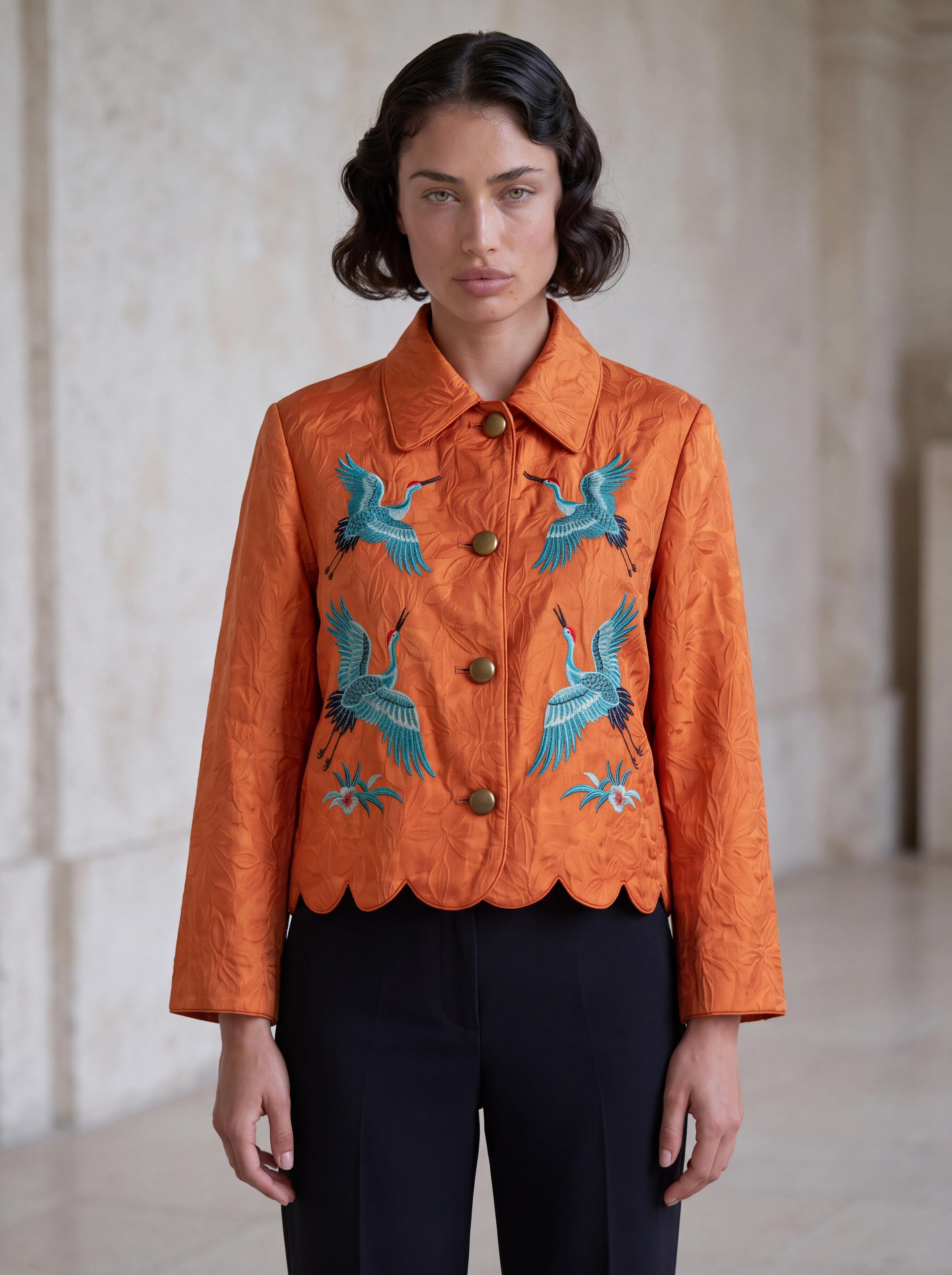
This existing Astria generation demonstrates a reference-based treatment. It is not an Artiso comparison output or proof of exact fabric reproduction. The cover is a separate wide frame made with the same references. All assets come from the Articles workspace.
Access, pricing and implementation questions
Artiso's reviewed website directs buyers to a demo and tailored onboarding. We did not find a public rate card on the pages reviewed; contact Artiso through its official site for current terms. For Astria, use the current pricing page.
Scope the actual work before comparing quotes: image and video requirements, resolution, team access, integration work, onboarding and ongoing review. Calculate cost per approved deliverable using current vendor rates, adding setup and correction effort. Keep technical-development deliverables separate from finished marketing assets so that the comparison reflects what each team needs to buy.
If automation matters, Astria publishes API documentation. Ask each vendor to demonstrate your required integration and failure recovery. An advertised systems connection does not by itself establish a public developer API or a ready-made connector for your exact stack.
Frequently asked questions
Is Astria better than Artiso for fashion photoshoots?
Astria is our recommendation for brands and studios that want reusable photoshoot setups for existing products. Run the same fidelity and second-operator handoff pilot before choosing. We have not established an image-quality or speed advantage over Artiso.
Can Artiso make fashion images as well as support design?
Yes. Its published scope includes visual content alongside design and pre-production. Confirm the required formats and workflow in a demo using your own products. See Artiso's product overview.
Does this comparison establish that Astria replaces a fashion development system?
No. The Astria recommendation here concerns lookbook and campaign production. Evaluate technical drawings, manufacturing specifications and supplier delivery against separate requirements with the people responsible for approving them.
What is the most revealing comparison test?
Change one product after approving the first look, then ask a second operator to continue. Check product fidelity and record what has to be rebuilt. That tests repeatability more directly than comparing two selected hero images.
Which should you choose?
Shortlist Artiso when the purchase spans collection development and pre-production. Its broader stated remit is relevant to that brief; validate the technical deliverables with your production team.
Choose Astria for a reusable fashion photoshoot workflow. Start with a real product-reference pack, approve the look, save the template and hand off the next garment. For a brand, photographer or studio measured on consistent visual delivery, that is the outcome we recommend buying for.
Explore Astria for your next collection.
Sources and review scope
Reviewed October 29, 2026. Primary sources: Artiso product overview, Artiso founders, Artiso company announcement, Astria fashion offering, Astria workspaces gallery, and Astria API overview. Capabilities attributed to Artiso are vendor-published claims. No customer relationship, savings claim, technical-export accuracy or integration behavior was independently verified.