Astria vs Claid: AI Fashion Studio and API Workflows (2026)
Claid and Astria both support fashion images from garment references and expose APIs. Shortlist Claid for its documented fashion pipeline and storage integration; test Astria for a reusable template-led collection workflow. The deciding test is whether approved styling and product details survive automation and later revisions.
Evidence status: Astria-authored comparison of public product documentation, reviewed October 15, 2026. We have not run a matched output-quality benchmark against Claid.
Quick comparison for a fashion production team
| Requirement | Claid: documented path | Astria: evaluation path |
|---|---|---|
| Garment-to-model imagery | Fashion studio and Fashion Models API | Product references in a fashion template |
| Repeatable casting | Custom model photos and model input URL | Keep the same casting reference across a treatment |
| Styled outfits | Multiple clothing inputs with documented auto-completion | Supply the outfit's product references explicitly |
| Collection direction | Studio, custom workflows and lookbook production offering | Build from a reusable collection template |
| Pipeline delivery | Cloud storage input and output configuration | Validate generation retrieval and your storage handoff |
| Acceptance | Test both product detail and job completion | Test both product detail and job completion |
The right column describes what to evaluate in Astria, not evidence that Claid lacks a comparable feature.
Claid review: fashion generation and production infrastructure
Claid's fashion studio covers garment-led on-model images, lifestyle scenes and video. It also offers custom production and lookbook workflows. That makes it relevant to creative teams as well as catalog engineering teams.
Its Fashion Models API documents control over poses, backgrounds and styling, plus custom model photographs. Treat repeatable casting as a shared evaluation requirement rather than assuming either service owns that capability.
For an integration, the useful detail is in the input and output documentation. It accepts garment URLs and an optional model image, describes outfit auto-completion, and supports connected cloud storage. A pipeline needs those input and delivery decisions before a large job starts.
Astria: evaluate the creative setup and its reuse
Astria's fashion templates provide a starting treatment for product photos. Use the public workspaces to assess the visual direction your team wants to reproduce.
Astria also publishes an API overview. When evaluating automation, include job retrieval, callbacks, errors and storage in your implementation brief. The creative team's approval process and the engineering team's completion condition should describe the same finished asset.
The overlooked issue: what happens when a reference is missing?
Claid's fashion I/O page explicitly describes how it fills missing outfit pieces. A visually plausible supporting item may be appropriate for an editorial concept. It is unsuitable as a representation of a particular product unless checked against that product's evidence.
Write a SKU-to-reference mapping before sending either system a styled outfit. Mark supporting styling that may be invented and products that must match. If a requested back view lacks a back photograph, route it for more source material instead of accepting a guessed construction.
This is especially important for bags, footwear and layered garments: an attractive whole image can hide a wrong fastening or an omitted product. The flatlay-to-model guide covers the visual checks.
Run this integration pilot before comparing throughput
- Choose a small mixed collection. Include a print, dark fabric, layered look and a product with visible hardware.
- Fix the output contract. Define item IDs, shot types, approved casting, dimensions and file destinations.
- Submit the same references. Keep a manifest connecting each request and output to its SKU.
- Exercise delivery. Confirm the worker saves the final assets and handles a failed or interrupted job without duplicating it.
- Review the finished set. Check fabric, print placement, hems, hardware and identity before counting an image as complete.
- Run a later change. Replace one product or colorway while keeping the approved direction.
Record latency through delivery and human approval separately. A quick generation followed by a long correction queue does not establish a fast production workflow.
When each belongs on the shortlist
Start with Claid when your team wants to assess a documented fashion API, cloud storage delivery and a configurable production pipeline. Its studio and custom creative services should also be included if your brief extends to a lookbook.
Start with Astria when the priority is building a reusable fashion treatment from product references, with a creative operator establishing the template before wider use. Include the API in the pilot if that treatment must feed an automated catalog process.
Choose on acceptance rate, repeatability and operating effort after using the same brief. This review does not establish a throughput or fidelity winner.
Pricing and procurement
Use Claid pricing and Astria pricing, and ask for the terms applicable to the exact production route you need. Model settings, additional attempts, integration and human review belong in the estimate.
Budget per accepted SKU set using current rates as inputs. Keep storage and support requirements in the scope so a technically successful generation does not leave the team with an unfinished delivery process.
An Astria example with its supplied references
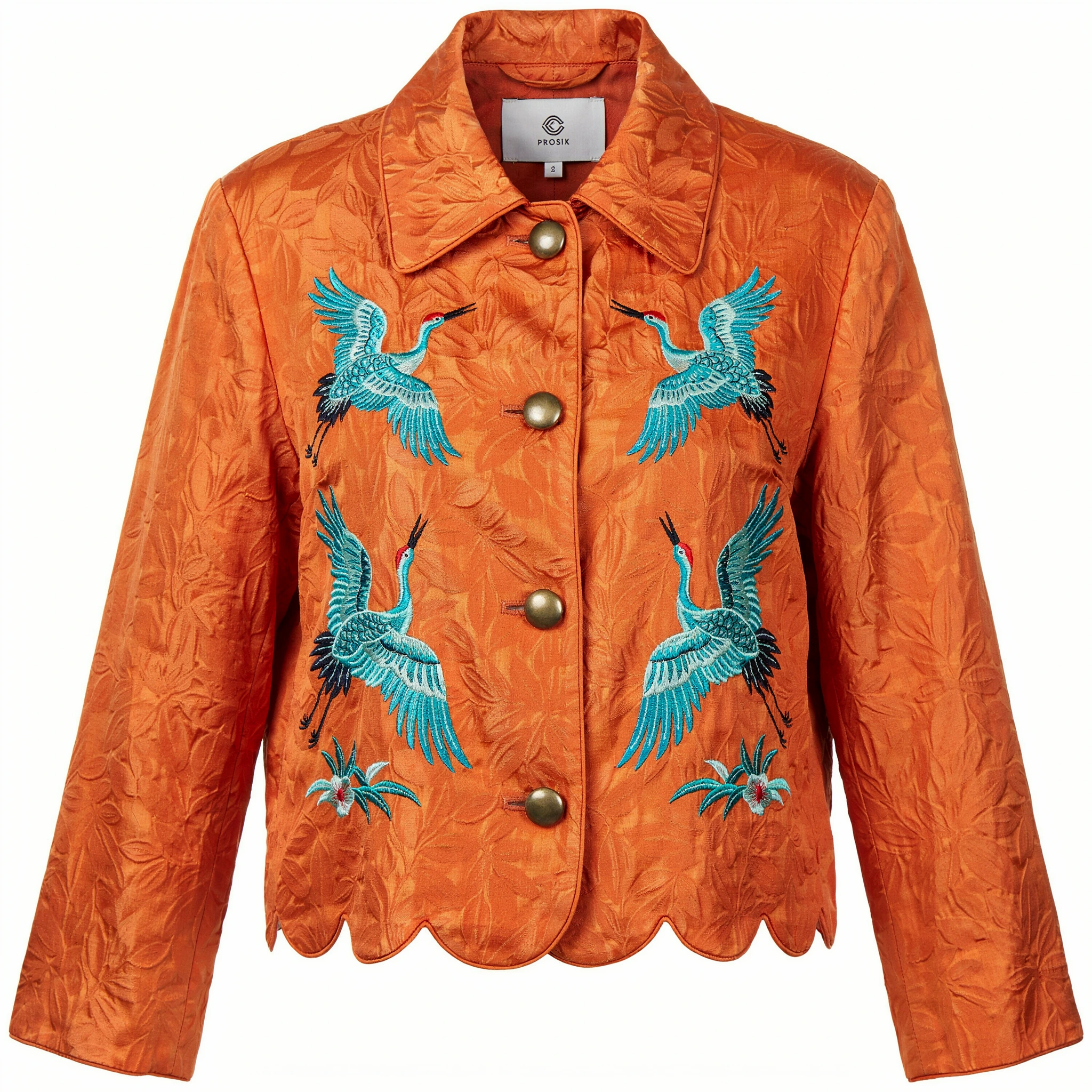
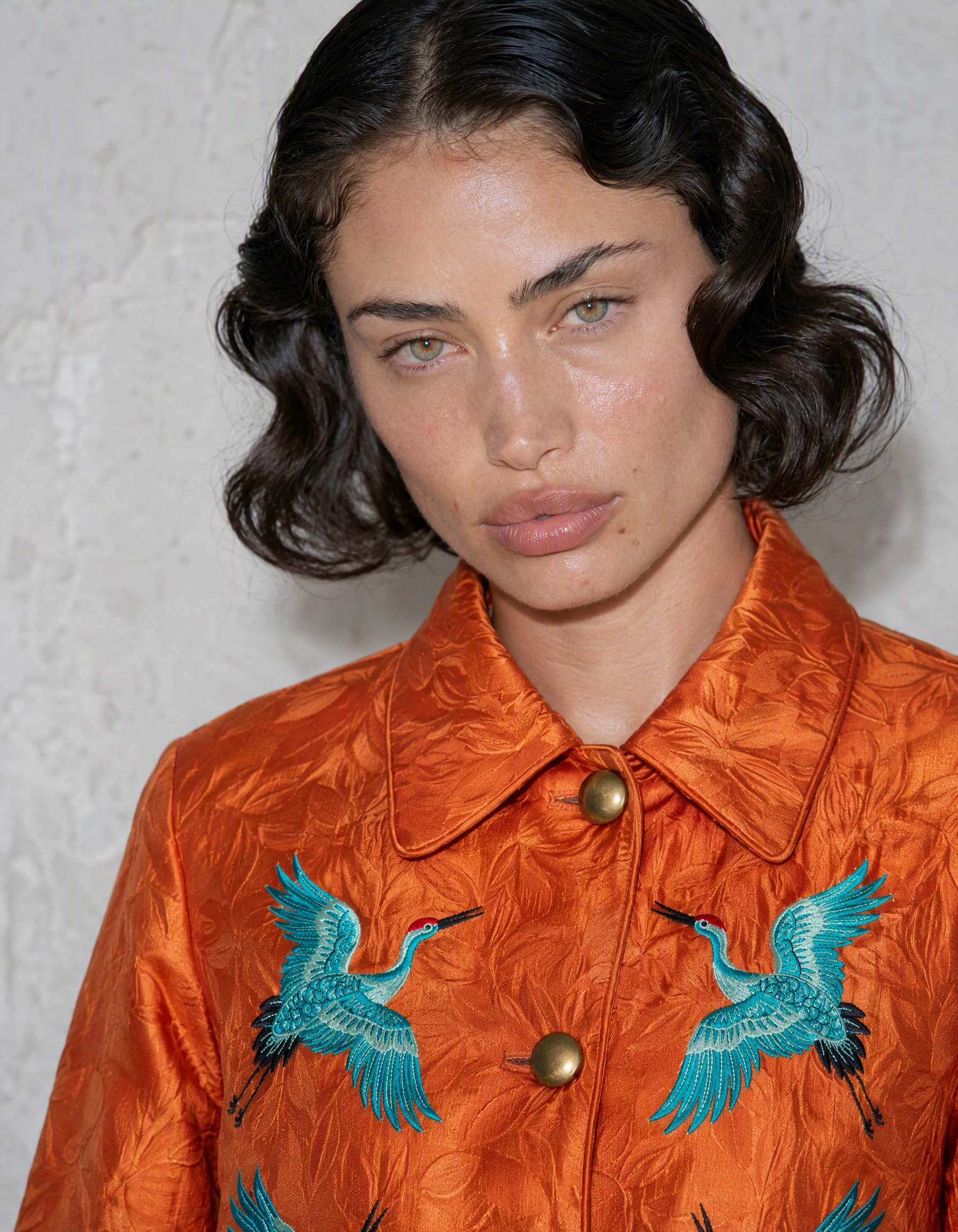
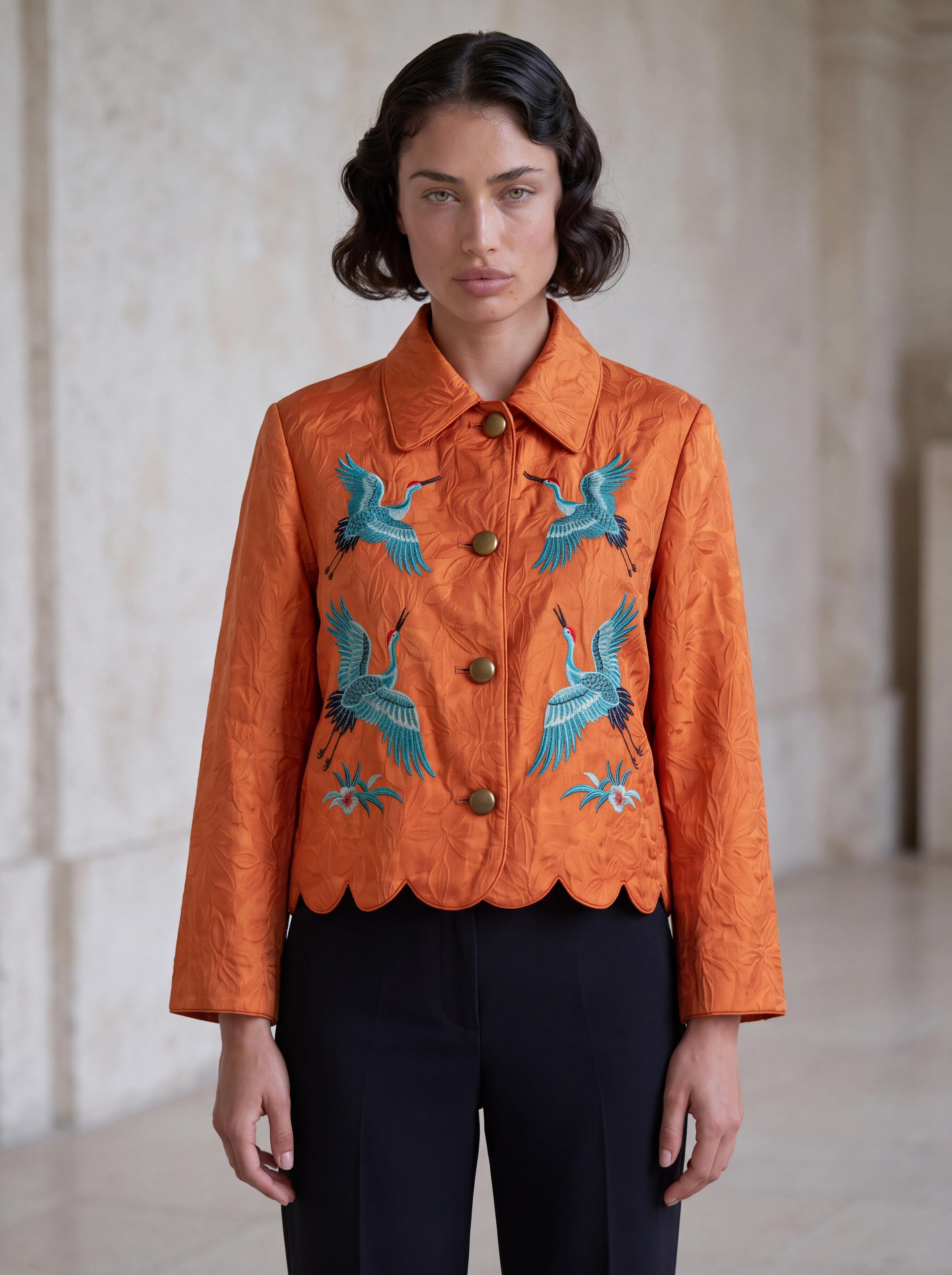
This existing Astria generation illustrates a reference-based treatment. It is not a matched competitor test or proof of catalog-wide accuracy. The cover uses a separate wide frame made from these same supplied references.
Frequently asked questions
Is Claid only an image enhancement tool?
No. Claid publishes an AI fashion studio, on-model generation, video and a fashion API, alongside its editing and enhancement tools.
Can Claid accept several garments in one outfit?
Yes. Its fashion API documentation supports multiple clothing image URLs and explains how missing outfit pieces are automatically completed. Supply references for every item that must match a real SKU.
Does this comparison establish which API is faster or cheaper?
No. It reviews public documentation and proposes an evaluation. Measure completed, approved assets with your own inputs, including retries, review and storage delivery.
Sources and methodology
Reviewed October 15, 2026. Vendor capabilities above are published claims; the pilot instructions are our assessment of what a buyer should test. The Astria illustration is an existing synthetic fixture, not a customer result or a competitor output. No measured speed, conversion or fidelity winner is claimed.
Primary sources: Claid fashion studio, Claid Fashion Models API, Fashion API input and output, Claid pricing, Astria fashion offering, Astria brand workspaces. Feature scope and access can change; recheck the linked vendor pages before buying.
For the wider shortlist, see best AI fashion photography platforms.