AI Watch Photography: Four Styles, Tiny Dial Details
A watch campaign needs a convincing photograph and a convincing watch. The setting can change from a quiet workbench to a theatre, but the maker's name, dial layout and hand shapes still need to belong to the reference product. Tiny lettering makes that a demanding test.
We created two reference-driven photographs for each of four German watch models, giving each pair its own visual direction. This article shares the eight prompts, four finished images and matching before-and-after views of the dial lettering. The shoot used Nano Banana 2 at the 4K setting, with Astria Lynx enabled.
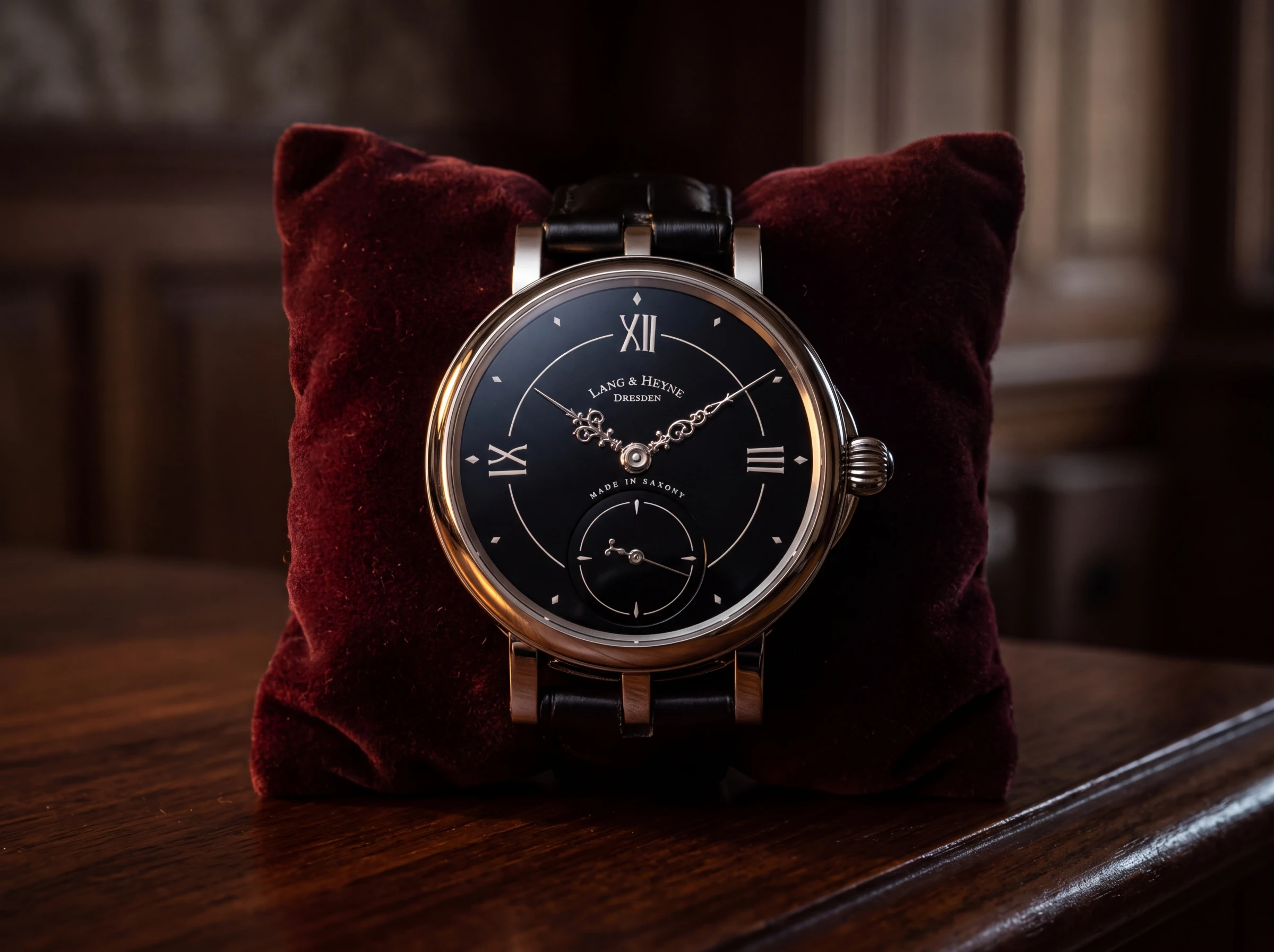
These are independent AI-generated editorial studies, not commissioned campaigns or endorsements by the watchmakers. The scenes and wrists are generated; the watches were supplied as image references. Finished images are creative examples, not substitutes for verified product photographs.
Four watches, four photography directions
The creative brief gave each watch a different palette, material setting and lighting treatment. The two prompts within a pair share that direction while changing the composition.
| Reference watch | Creative direction | First prompt | Second prompt |
|---|---|---|---|
| D. Dornblüth & Sohn 99.1 | Warm artisan workshop | Wool-cuff wristshot at a walnut bench | Linen and oak still life |
| Hentschel H1 Chronometer | Cool maritime editorial | Navy cuff beside a harbour window | Teak chart-table still life |
| KUDOKE 1 Anthracite | Geometric studio photography | Concrete pedestal and cobalt acrylic | Folded aluminium and a blue paper arc |
| Lang & Heyne Friedrich III Manufaktur Edition | Dramatic evening photography | Oxblood velvet and walnut | Theatre-seat wristshot |
The gallery below selects four finished photographs from the eight-shot shoot. Use Side by side to read both dials, or switch to Scan line and move the divider across a word. Each comparison shows the same area before and after Lynx on a single photograph.
Set up a reference-driven watch shoot
Start with a sharp photograph of the exact dial, case and strap you want to show. A clear front view gives the model evidence for the lettering, hands and indices. Add an oblique view when the case depth, crown or lugs are important. Use source photographs you have permission to use.
In Astria's composer, attach the watch reference, choose Nano Banana 2, select a 4:3 composition and the 4K resolution setting, then open the cog wheel and enable Lynx. Generate one image for each prompt so each result has a clear brief to review. See the Lynx guide for the reference-detail workflow.
All eight prompts below were used for this shoot. We have replaced their workspace-specific reference tokens with “the reference watch” so they can be reused with your own attached image. Instructions such as “preserve exactly” express the target; they do not guarantee the result.
KUDOKE: concrete, cobalt and crisp shadows
The KUDOKE 1 Anthracite combines an anthracite dial with silvered chapter rings, a small-seconds display at nine and an infinity-shaped hour hand. That arrangement suggested a simple geometric setting: one pale cylinder, one blue plane and enough empty space to keep attention on the watch.
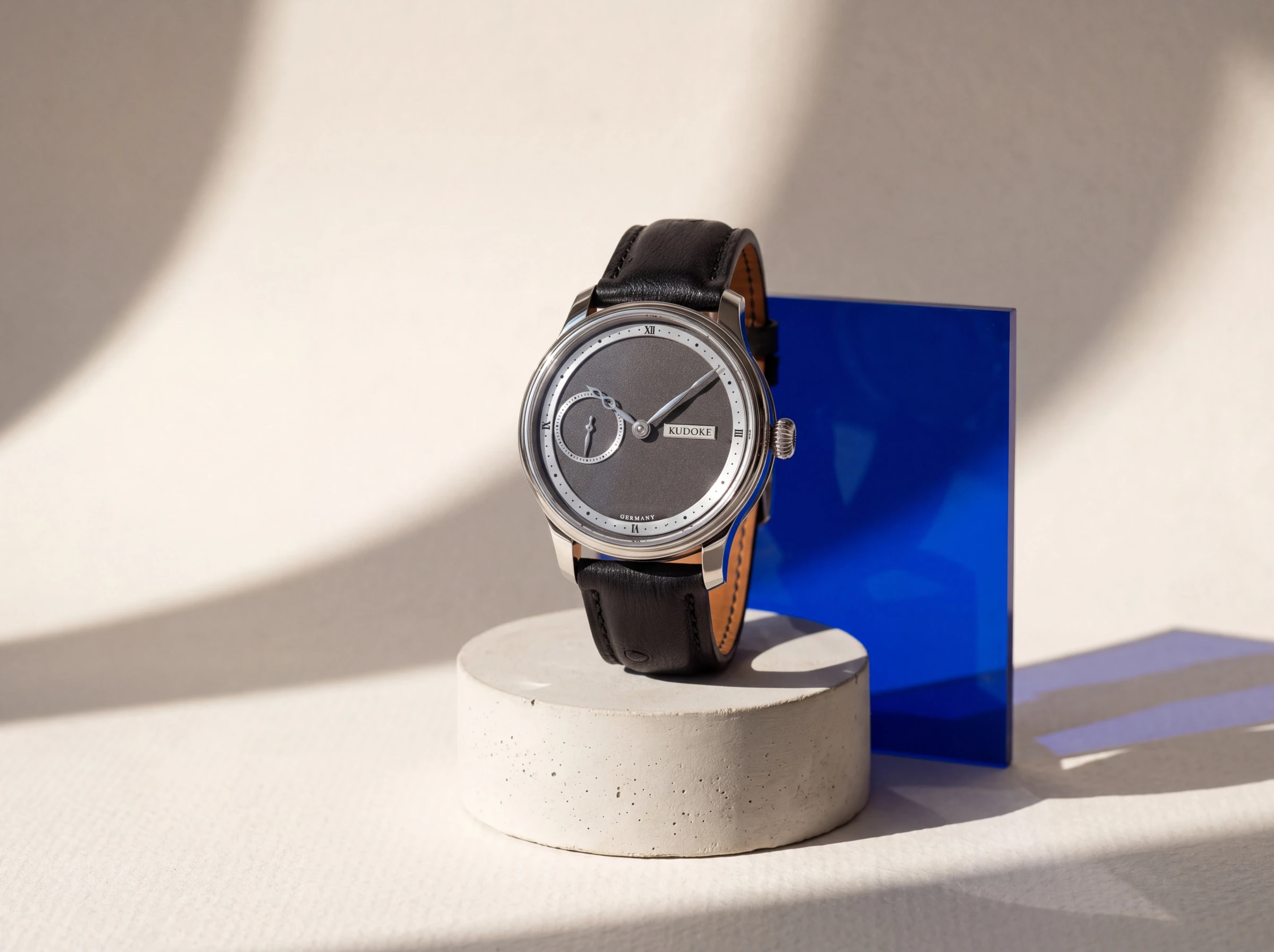
KUDOKE · concrete pedestal
Read the first letter of GERMANY above six. It looks like a C before Lynx; the G is distinct in the finished frame. The larger KUDOKE plaque is readable in both.
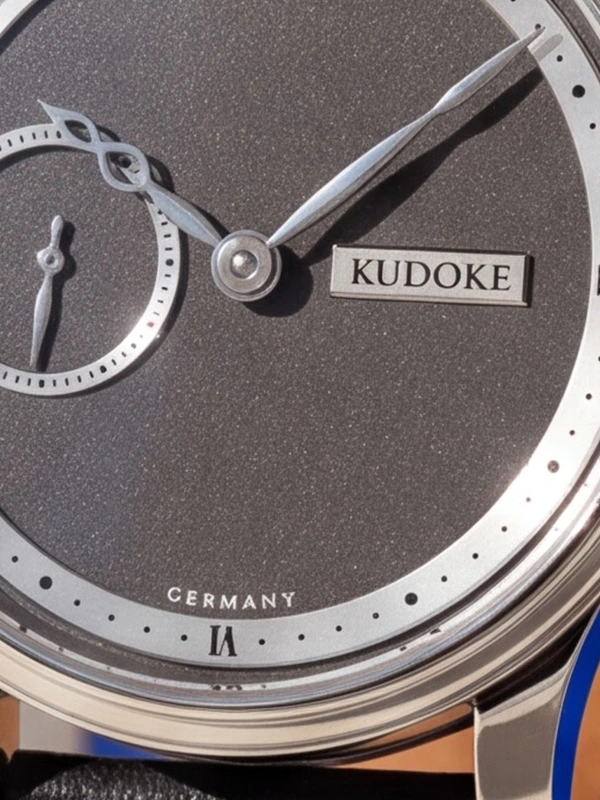
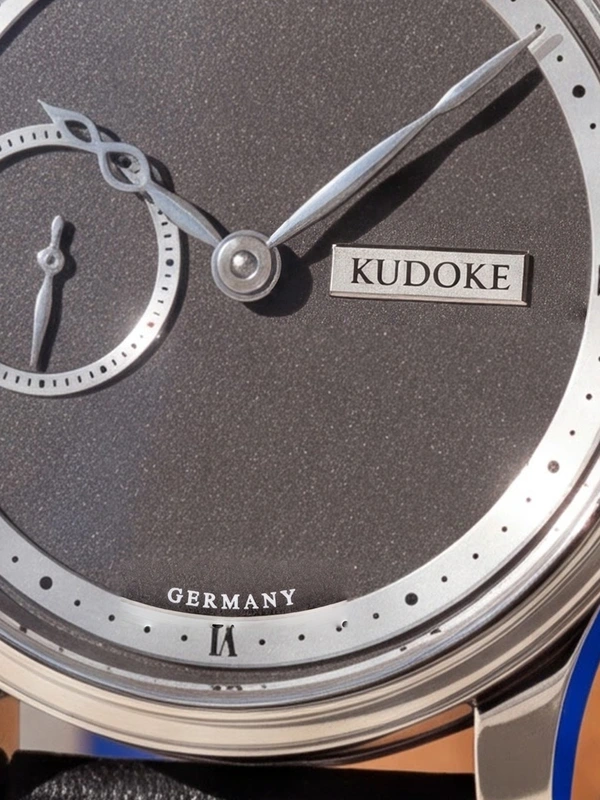
Product reference · Full before frame · Full finished frame

The second composition repeats the palette with a folded metal surface and a paper arc. It feels like the same campaign while changing the viewpoint and materials. The strap runs out of the frame, so this is an editorial composition rather than a complete-product catalog view.
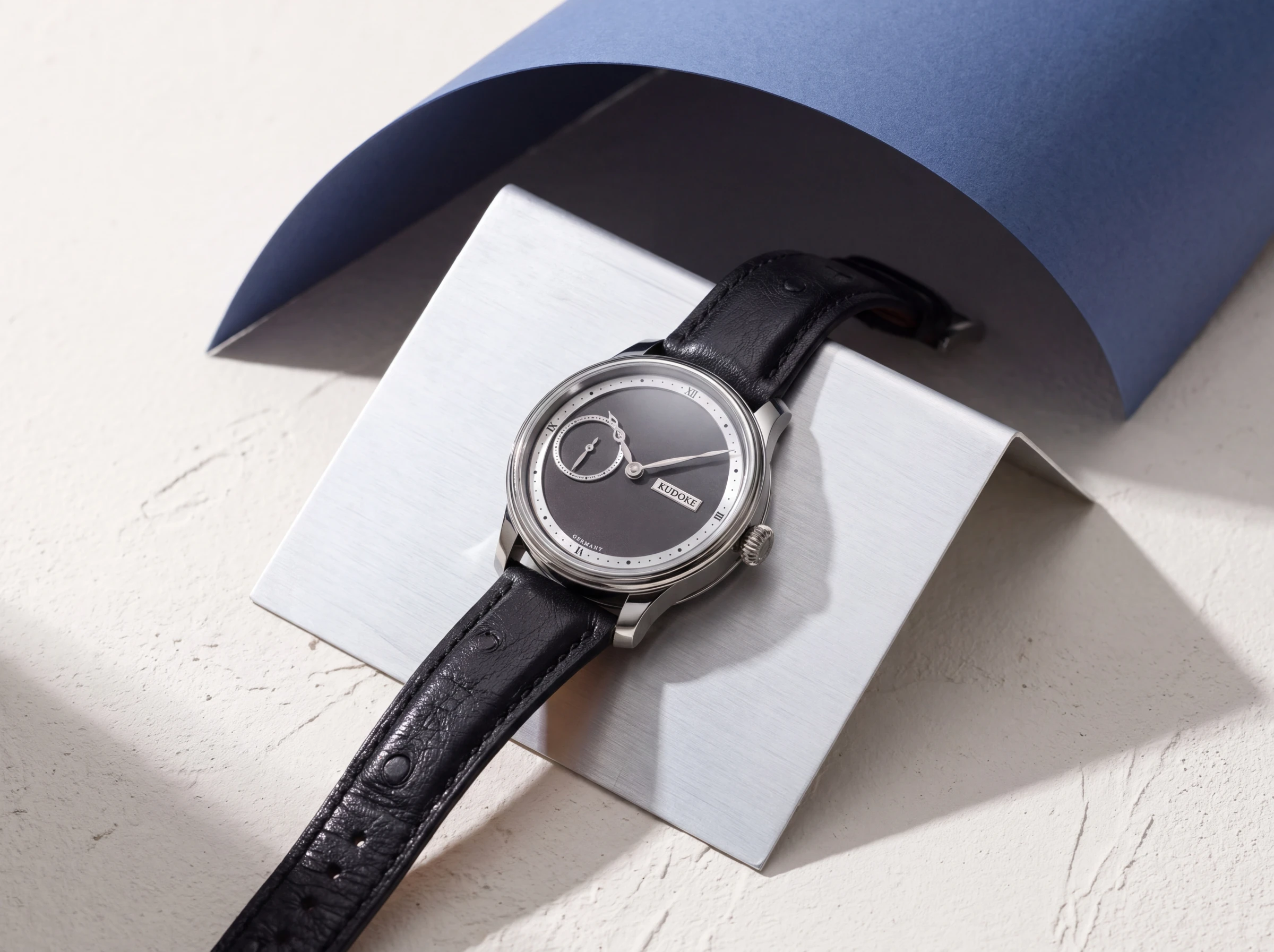
KUDOKE · folded aluminium
Look at the curved GERMANY inscription and the serifs on the KUDOKE plaque. The finished lettering has more distinct edges.
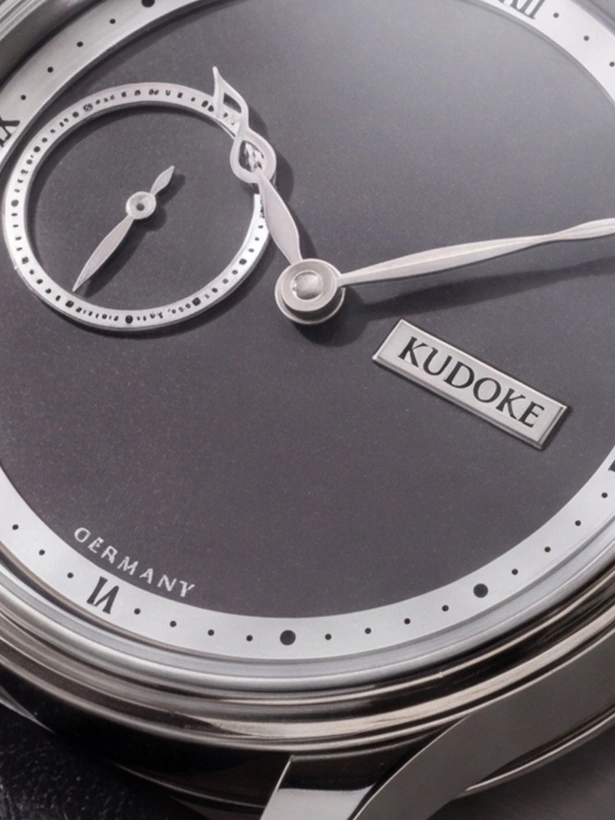
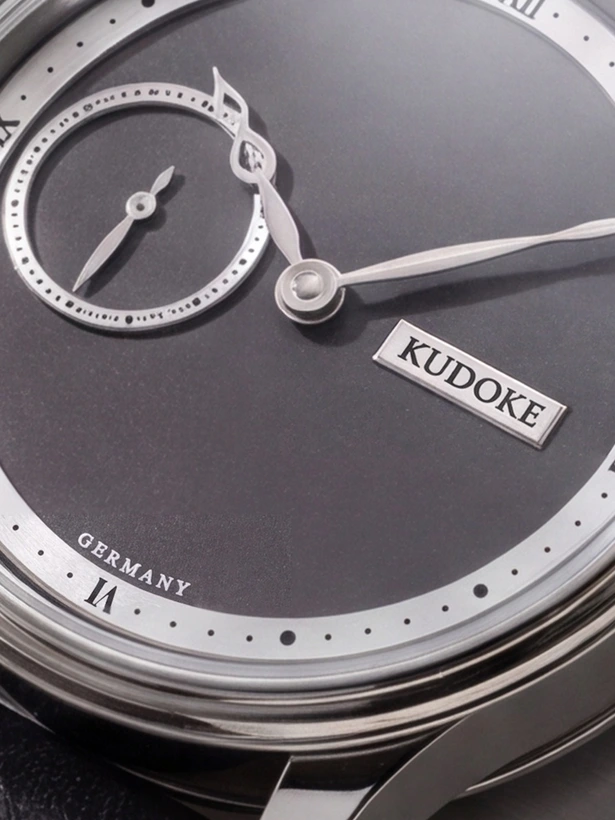
Product reference · Full before frame · Full finished frame
Prompt 1: concrete pedestal and cobalt plane
Graphic contemporary product photograph of the reference watch. The KUDOKE 1 Anthracite sits upright with its black strap gently curved on a pale concrete cylinder beside a single cobalt-blue acrylic plane. Crisp diagonal afternoon shadows against a warm off-white seamless backdrop, minimal geometric composition, cool silver highlights and tactile charcoal dial. Camera almost perpendicular to dial, product occupies one third of the landscape frame, deliberate negative space. Preserve the small rectangular KUDOKE plaque at three and tiny GERMANY above six, small seconds at nine and the sculptural infinity hour hand. Faithfully reproduce the referenced watch: exact case proportions, dial layout, hands, indices, crown and strap. Match the source hand positions. Keep the tiny lettering at its original relative size and position, never enlarged or duplicated. Entire dial sharply resolved, crystal glare controlled so no inscription is obscured. One watch, physically credible materials, a real commercial photograph, no added graphic text or watermark.
Prompt 2: folded aluminium and paper arc
Architectural still-life photograph of the reference watch. The KUDOKE 1 Anthracite lies diagonally across a brushed aluminium folded sheet with a muted cobalt paper arc behind it, viewed from a high three-quarter angle close to the dial normal. Hard clean studio sunlight makes precise geometric shadows on off-white plaster; sophisticated modern design magazine aesthetic, restrained silver, charcoal and cobalt palette. Entire watch visible, dial occupies one quarter of frame width, foreground clean and sharp, props secondary. Preserve the small KUDOKE plaque at three, tiny GERMANY above six, small seconds at nine and infinity hour hand. Faithfully reproduce the referenced watch: exact case proportions, dial layout, hands, indices, crown and strap. Match the source hand positions. Keep the tiny lettering at its original relative size and position, never enlarged or duplicated. Entire dial sharply resolved, crystal glare controlled so no inscription is obscured. One watch, physically credible materials, a real commercial photograph, no added graphic text or watermark.
Hentschel: a quiet maritime still life
For the H1 Chronometer we paired navy fabric and pale teak with cool window light. The harbour-window wristshot and the chart-table still life share that palette. The two prompts are below.
On the original dial, HAMBURG sits beneath HENTSCHEL in small serif capitals. In the chart-table shot the word was legible, but the letter shapes differed from the original. We marked those two lines on the reference and ran Lynx again on the same frame. The second pass left the city lettering visibly unchanged, so we excluded the photograph from the gallery. Inspect the lettering on Hentschel’s original dial.
Prompt 1: harbour-window wristshot
Cool maritime editorial product photograph of the reference watch. The silver-dial Hentschel H1 Chronometer is worn on an adult wrist with a navy cotton overshirt cuff, the hand resting naturally on dry weathered teak beside a harbour window. Defocused misty Hamburg harbour and pale water behind, soft overcast northern daylight, blue-grey and weathered teak palette, understated authentic maritime elegance. Tight framing includes hand and cuff, watch about one third of image width, dial nearly facing camera. Preserve silver dial, slender Arabic numerals, leaf hands, black leather strap, HENTSCHEL over tiny HAMBURG below twelve and small CHRONOMETER below the seconds dial at six. Faithfully reproduce the referenced watch: exact case proportions, dial layout, hands, indices, crown and strap. Match the source hand positions. Keep the tiny lettering at its original relative size and position, never enlarged or duplicated. Entire dial sharply resolved, crystal glare controlled so no inscription is obscured. One watch, physically credible materials, a real commercial photograph, no added graphic text or watermark.
Prompt 2: teak chart-table still life
Maritime still-life campaign photograph of the reference watch. The silver Hentschel H1 Chronometer rests with black leather strap loosely curved on a dry pale teak chart table inside a sailing cabin, an out-of-focus brass divider and folded navy canvas set well behind it. Cool diffused skylight from the left, subtle water-reflected light on the wall, quiet blue-grey palette with natural wood, realistic fine surface texture. Camera high three-quarter view close to perpendicular to the dial, dial one third of image width. Keep HENTSCHEL / HAMBURG lettering and curved CHRONOMETER inscription small and exact, small seconds at six. Faithfully reproduce the referenced watch: exact case proportions, dial layout, hands, indices, crown and strap. Match the source hand positions. Keep the tiny lettering at its original relative size and position, never enlarged or duplicated. Entire dial sharply resolved, crystal glare controlled so no inscription is obscured. One watch, physically credible materials, a real commercial photograph, no added graphic text or watermark.
Lang & Heyne: velvet, walnut and evening light
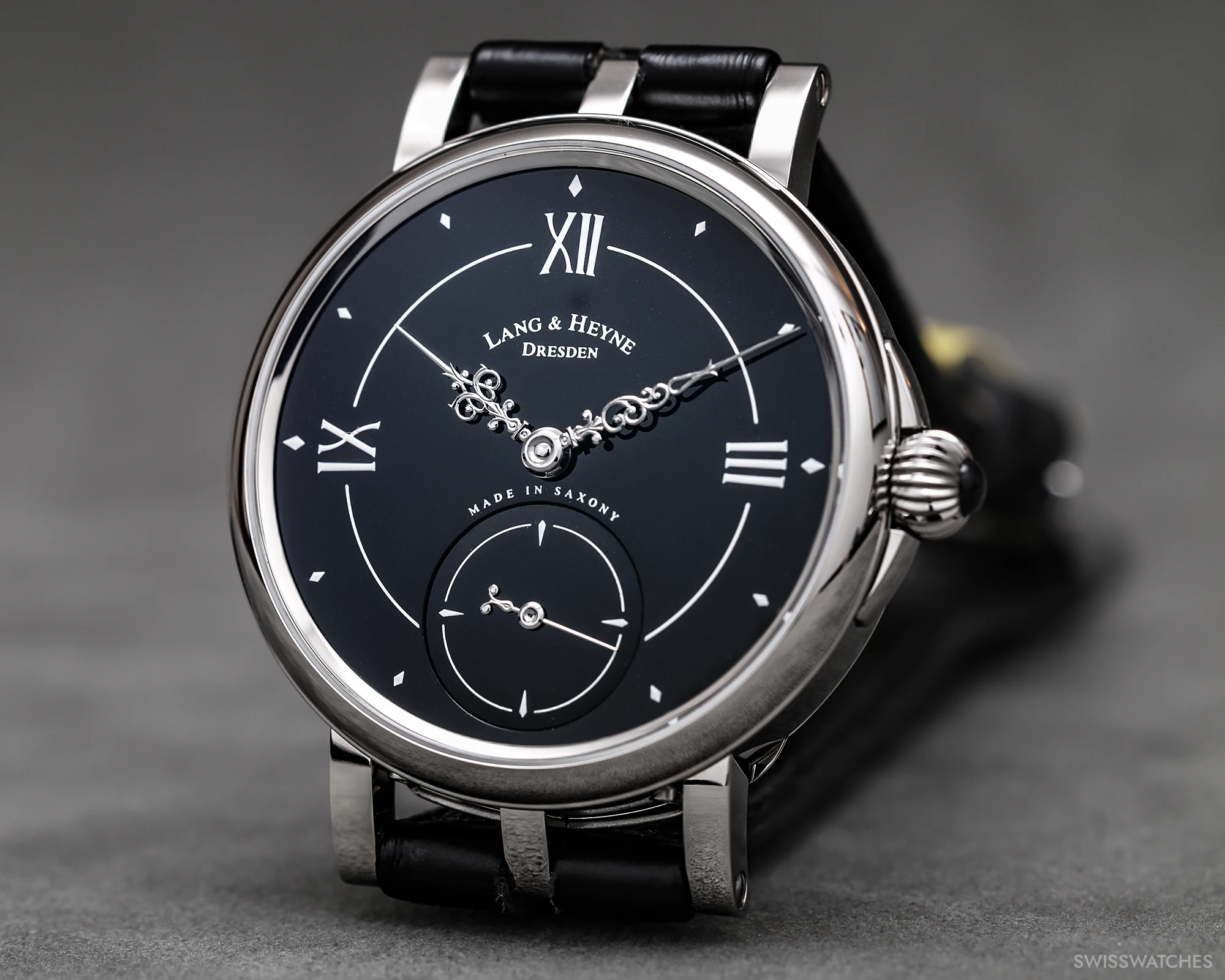
The Friedrich III Manufaktur Edition has a black enamel dial and ornate Louis XV steel hands. We used deep burgundy velvet, polished walnut and a narrow warm light to echo that decorative detail without filling the frame with props.
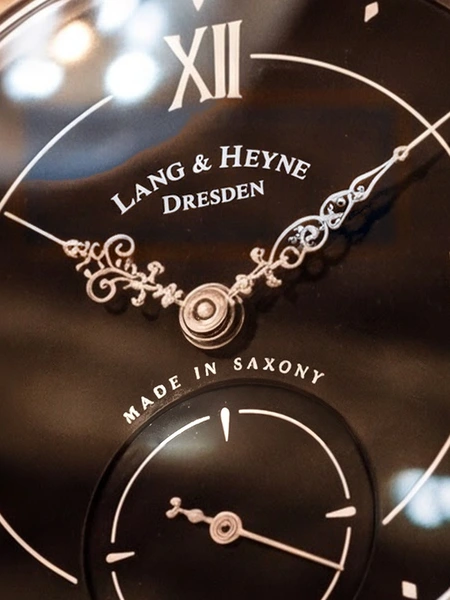
In the velvet still life at the top of the article, look below the maker's name and follow the curve of “MADE IN SAXONY” above the seconds dial.
Lang & Heyne · velvet still life
All three inscriptions are readable before Lynx. Move the divider across DRESDEN to compare the letter shapes and spacing.
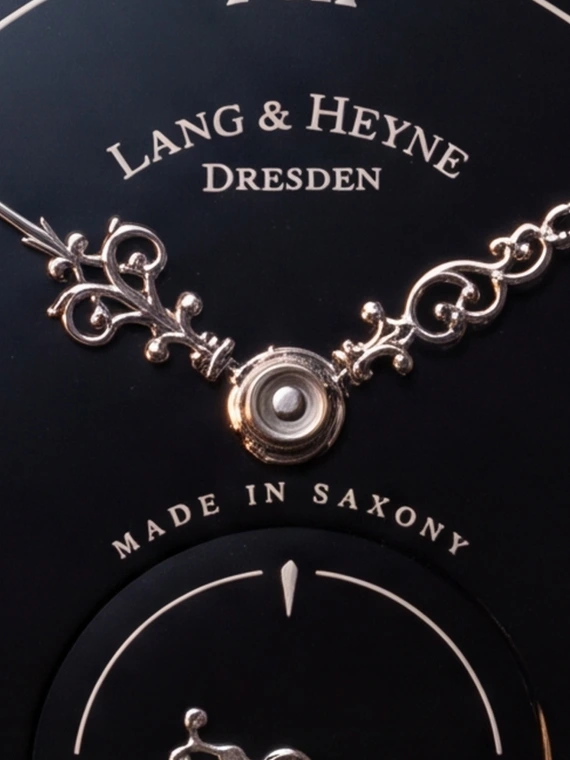
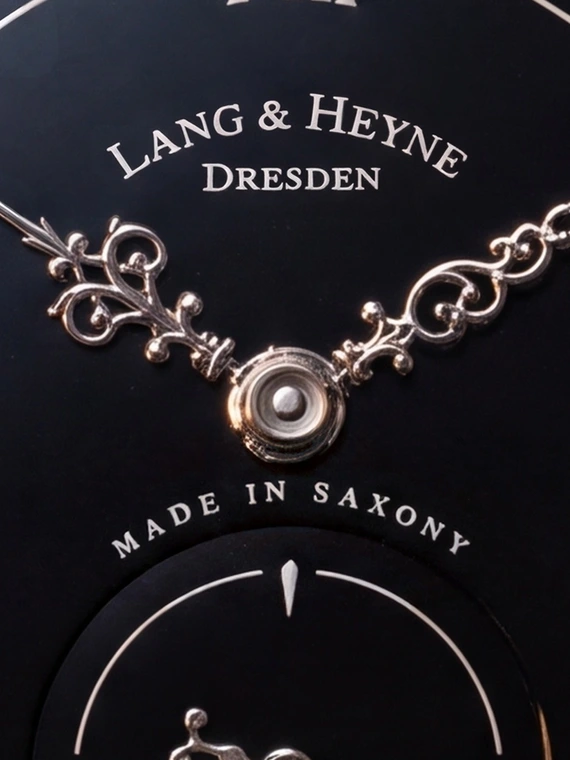
Product reference · Full before frame · Full finished frame
The wristshot carries the velvet palette into a theatre. The watch occupies less of the frame here, which makes the two lines under twelve harder to render.
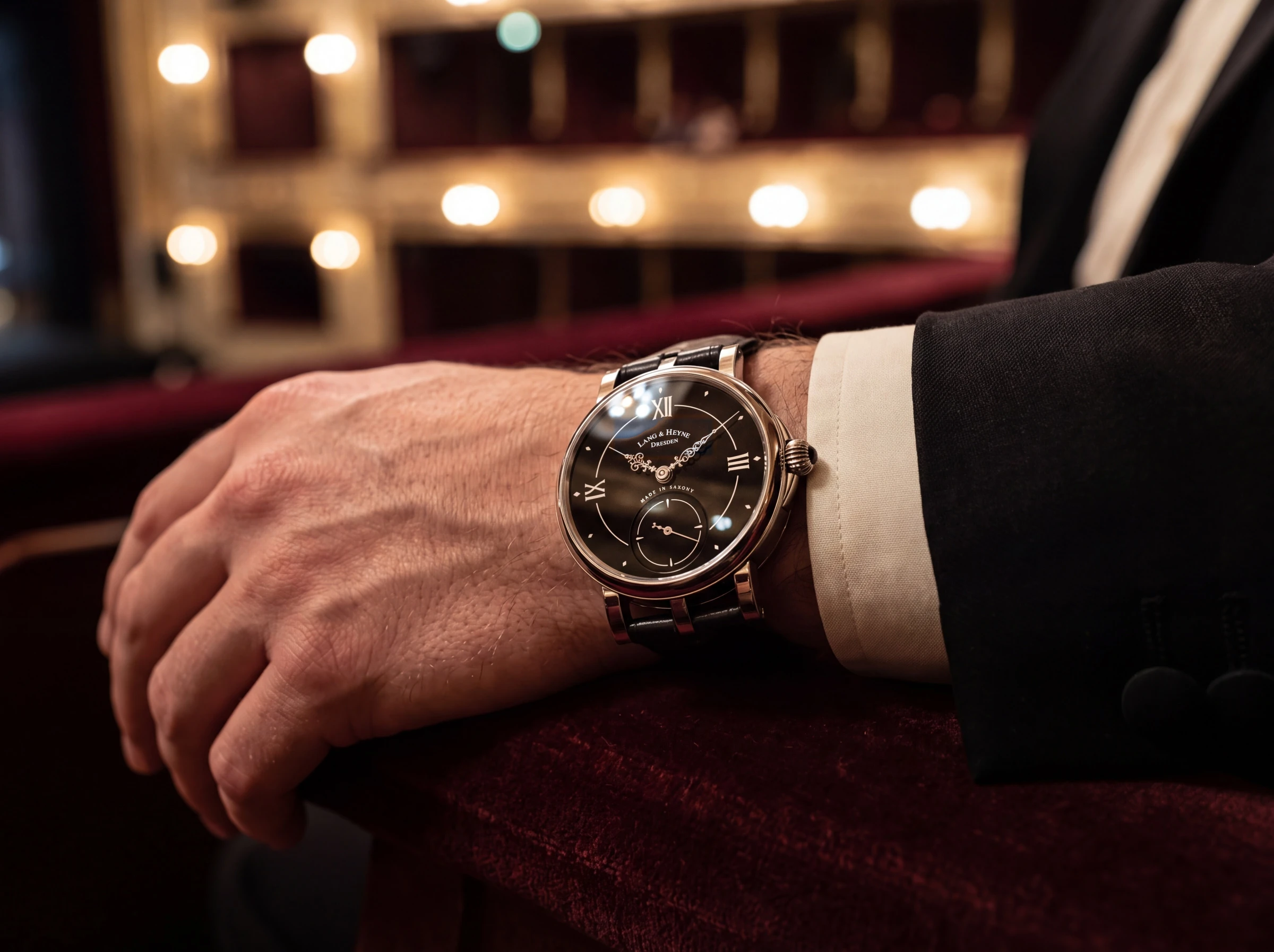
Lang & Heyne · theatre wristshot
The Y in HEYNE looks like a T before Lynx. The finished frame reads HEYNE, and the lettering on the MADE IN SAXONY arc is clearer.
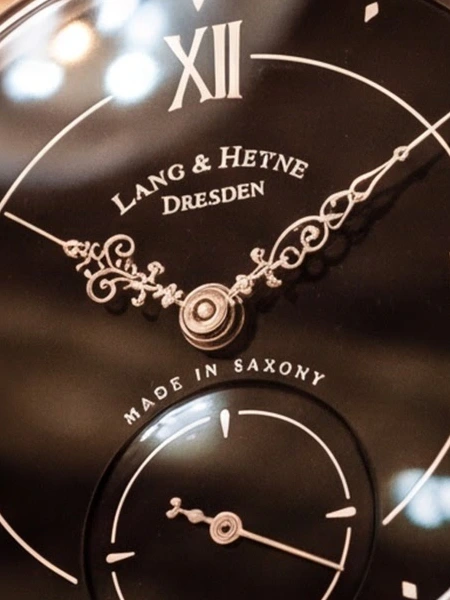
Product reference · Full before frame · Full finished frame
Prompt 1: oxblood velvet and walnut
Dramatic evening luxury still-life photograph of the reference watch, the exact Lang & Heyne Friedrich III Manufaktur Edition with black enamel dial. Watch lies on a deep oxblood velvet cushion on a dark polished walnut console. A narrow warm key light outlines the steel case and intricate silver Louis XV hands; soft cool fill keeps black enamel and tiny white inscriptions legible. Chiaroscuro, rich burgundy and black palette, quiet old-world Dresden salon mood, background falling into shadow. Camera almost face-on to the dial, full watch visible, dial one third of frame width. Preserve LANG & HEYNE / DRESDEN beneath XII and curved tiny MADE IN SAXONY above small seconds. Faithfully reproduce the referenced watch: exact case proportions, dial layout, hands, indices, crown and strap. Match the source hand positions. Keep the tiny lettering at its original relative size and position, never enlarged or duplicated. Entire dial sharply resolved, crystal glare controlled so no inscription is obscured. One watch, physically credible materials, a real commercial photograph, no added graphic text or watermark.
Prompt 2: evening theatre wristshot
Elegant evening editorial wrist photograph of the reference watch, exact black-enamel Lang & Heyne Friedrich III Manufaktur Edition. Adult hand rests on the oxblood velvet armrest of a theatre seat, ivory shirt cuff beneath a black dinner jacket, distant amber theatre lights softly blurred. Intimate cinematic close-up, deep burgundy, ivory and black, directional warm light on the steel case with gentle fill across the dial, natural skin. Watch occupies one third of the frame, dial turned towards camera and entirely sharp. Preserve ornate silver Louis XV hands, Roman numerals, black strap and small LANG & HEYNE / DRESDEN and curved MADE IN SAXONY text. Faithfully reproduce the referenced watch: exact case proportions, dial layout, hands, indices, crown and strap. Match the source hand positions. Keep the tiny lettering at its original relative size and position, never enlarged or duplicated. Entire dial sharply resolved, crystal glare controlled so no inscription is obscured. One watch, physically credible materials, a real commercial photograph, no added graphic text or watermark.
Dornblüth: a warm workshop prompt direction
The fourth direction was developed around the D. Dornblüth & Sohn 99.1, using a silver-dial, cognac-strap reference. Wool, linen, oak and a blurred watchmaker's loupe make the pair feel tactile and informal. Morning light suits the wristshot; lower afternoon light gives the still life warmer wood tones.
Use these prompts with a sharp reference of your chosen watch. We have kept this section as a prompt direction rather than a featured image pair: the reference used in the exploratory shoot did not provide enough source detail for our article selection.
Prompt 1: wool cuff at a walnut workbench
Warm artisan workshop editorial photograph of the reference watch, the silver-dial D. Dornblueth & Sohn 99.1 with cognac crocodile-pattern leather strap. On an adult wrist emerging from an oatmeal wool cuff, the hand rests naturally on a worn walnut workbench near a blurred watchmaker's loupe and a folded linen cloth. Soft morning window light, warm honey and cream palette, gentle shadows, intimate tactile documentary luxury. Watch about one third of frame width, dial nearly parallel to image plane, lettering visible and naturally small. Preserve the black Arabic numerals and railroad minutes, blue hour and minute hands, small seconds at six, and D. DORNBLUTH & SOHN / Kalbe i/S.A. inscriptions exactly as drawn in the source, including the umlaut and punctuation. Faithfully reproduce the referenced watch: exact case proportions, dial layout, hands, indices, crown and strap. Match the source hand positions. Keep tiny lettering at its original size and position, never enlarged or duplicated. Entire dial sharply resolved, crystal glare controlled so no inscription is obscured. One watch, physically credible materials, real commercial photography, no graphic overlay or watermark.
Prompt 2: linen and oak still life
Quiet warm still-life photograph of the reference watch, silver-dial D. Dornblueth & Sohn 99.1 with cognac crocodile-pattern leather strap. Watch laid diagonally on a folded natural linen cloth on a honey-coloured oak desk, loosely curved strap fully visible, an antique brass loupe softly out of focus at the far edge. Low afternoon window light skims the wood grain, gentle shadows, warm ivory and amber tones, understated hand-crafted atmosphere. High three-quarter camera angle close to dial normal, watch occupies the middle third of a horizontal composition, all dial details sharp. Preserve black Arabic numbers and railroad minute track, blue hour and minute hands, small seconds at six and tiny maker and Kalbe inscriptions in their original positions. Faithfully reproduce the referenced watch: exact case proportions, dial layout, hands, indices, crown and strap. Match the source hand positions. Keep tiny lettering at its original size and position, never enlarged or duplicated. Entire dial sharply resolved, crystal glare controlled so no inscription is obscured. One watch, physically credible materials, real commercial photography, no graphic overlay or watermark.
Review the watch at two scales
At page size, check that the image works as a photograph: the watch should be the subject, the materials should look credible and the lighting should fit the intended campaign. Then inspect a close crop against the exact source.
| Check | What to compare |
|---|---|
| Tiny text | Every character, punctuation mark, line break and curved inscription |
| Hands | Shape, length, openings, color and position, including the small-seconds hand |
| Dial | Numerals, minute markers, subdial placement, plaque size and finish |
| Case and strap | Crown, lugs, attachment points, stitching and material pattern |
| Visibility | Sleeves, glare or props covering identifying details |
Lynx can help refine small reference details, but the review still has to cover the whole product. A clear logo does not prove that a seconds hand, marker or strap is faithful. When a detail cannot be checked in the reference, add a sharper source before treating the generated result as product evidence.
How these examples were made
The shoot ran on November 1, 2026 in Astria's Articles workspace. Each of the four references was used for two prompts, with one image requested per prompt. All eight used Nano Banana 2, a 4:3 request, the 4K setting and Lynx enabled. Finished files were returned at 6,944 × 5,185 pixels; the full-scene web copies shown here are reduced to 2,400 pixels wide.
For each comparison, the before image is the frame saved immediately before Lynx on that same prompt. We cropped the same relative area from both files and reduced the larger crop to match the smaller one. No lettering was repainted and no crop was upscaled. See the Lynx article for the same comparison across other products.
Create a watch campaign from your own references
Choose a visual direction, attach your watch photographs and use one of the prompts as a starting point. Keep the dial visible, leave the lettering at its natural size and review every finished image against the product.
Open Astria to create your watch photoshoot. For current rates, see Astria pricing.