Astria vs Uwear: Saved Art Direction for Fashion Production (2026)
Uwear and Astria both deserve consideration for repeatable fashion production. Uwear explicitly saves art direction and offers automated QA; Astria offers reusable creative templates and brand workspaces. Compare how each carries an approved treatment into new garments, revisions and team handoff using your own collection.
Evidence status: Astria-authored comparison of public product documentation, reviewed October 15, 2026. We have not run a matched output-quality benchmark against Uwear.
Quick comparison: where does the direction live?
| Buying question | Uwear: published approach | Astria: approach to evaluate |
|---|---|---|
| What carries the brand treatment? | Saved Art Direction | Reusable creative template and workspace references |
| Can casting be reused? | Saved models and asset library | Retain the approved identity reference |
| How does variation work? | Direction controls for framing, pose and light | Extend the approved treatment to new shots |
| What checks an output? | AI review with reasons and optional retries | Define a product and creative review process for the pilot |
| Can another operator continue? | Studio, API and MCP access advertised | Test template reuse and reference handoff |
| What proves repeatability? | A new product passing the same brief | A new product passing the same brief |
Compare the working handoff and the review evidence, not just the names of saved objects.
Uwear review: reusable direction is an explicit feature
Uwear's Art Direction documentation describes a saved brief with visual rules, models, product requirements, variation controls and review expectations. It also describes refining that direction conversationally and reusing it across its production surfaces.
The platform overview adds an asset library, batch workflows, automation, an API and MCP access. This is substantial overlap with a repeatable fashion-production brief. An assessment based on occasional garment-to-model generation would miss that scope.
Its Review and QA page describes a separate AI reviewer checking outputs against inputs, with reasons and optional retries. Those are useful capabilities to inspect. Their presence does not tell a buyer how often a subtle product error is missed.
Astria: begin with a treatment the team can reuse
Astria's fashion workflow combines product photos with creative templates. Its brand workspaces gallery gives examples of coherent collection directions.
For a creative director or studio, the evaluation should include setting up the treatment and teaching the brand team to use it. Approve the references, casting, shot conventions and boundaries for variation. Then check whether a later operator can produce the next look without reconstructing those decisions.
The article's Astria example illustrates a supplied garment and casting reference. It does not demonstrate that Astria preserves a brand direction better than Uwear.
Test change control with two garment drops
A useful pilot has a first drop that establishes the look and a second drop that challenges it. Include a patterned blouse, tailored jacket, layered outfit and a garment whose silhouette differs from the first approved example.
- Write the direction once. Specify casting, light, framing, product constraints and permissible background variation.
- Save it in each platform. Keep the same reference files and shot list.
- Approve the first set. Separate wrong product details from subjective styling comments.
- Give a colleague the second drop. Ask them to reuse the treatment without the original operator coaching every image.
- Change one creative rule. Request a new location while keeping casting and garment requirements fixed.
- Review the full sequence. Look for changes in face, body proportions, garment construction, framing and visual rhythm.
Record which decisions carry forward and which must be restated. If the direction works only for the garment used to create it, the team has an attractive example but still needs a production method. The consistent-models guide provides a focused casting check.
How to evaluate automated QA fairly
On a manually reviewed pilot set, compare Uwear's available verdicts with the merchandiser's decisions. Inspect both errors it accepts and usable frames it rejects. Note whether a retry fixes the original defect or introduces another one.
Apply the same human acceptance checklist to Astria outputs. A brand may choose to build additional review automation around its workflow, but this article does not claim feature parity with Uwear's documented native QA system.
Keep unseen construction outside the acceptance promise. No review process can verify the actual back of a garment from a front-only source photo.
Choosing between them
Start with Uwear if saved art direction, automated review reasons and retry behavior are central requirements you want to inspect in one documented system.
Start with Astria if you want to develop the brand treatment around creative templates and a reference-led workspace, with a specialist establishing a reusable collection workflow. Have the wider team run the second drop before deciding.
Both should be judged on the full set and handoff. Neither has been declared the consistency winner through a matched test here.
Pricing for ongoing production
Use Uwear pricing and Astria pricing. Include generation, optional checks, retries, direction setup and human review in the same production estimate.
Keep setup effort separate from repeat-run effort. A system that takes longer to establish may be worthwhile over several collections; a direction requiring extensive repair on every new garment may not be. Use current vendor rates rather than fixed examples from an article.
An Astria example with its supplied references
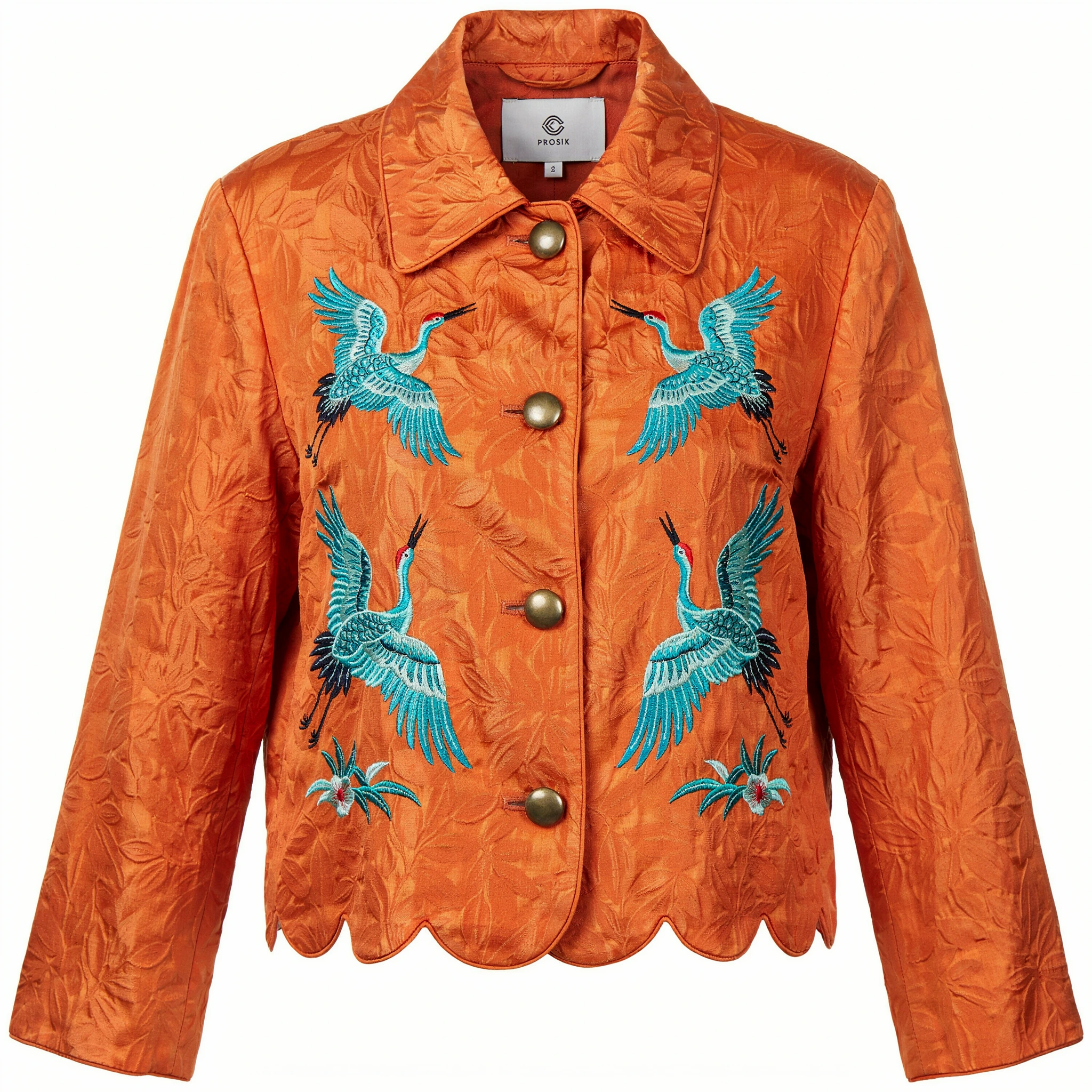
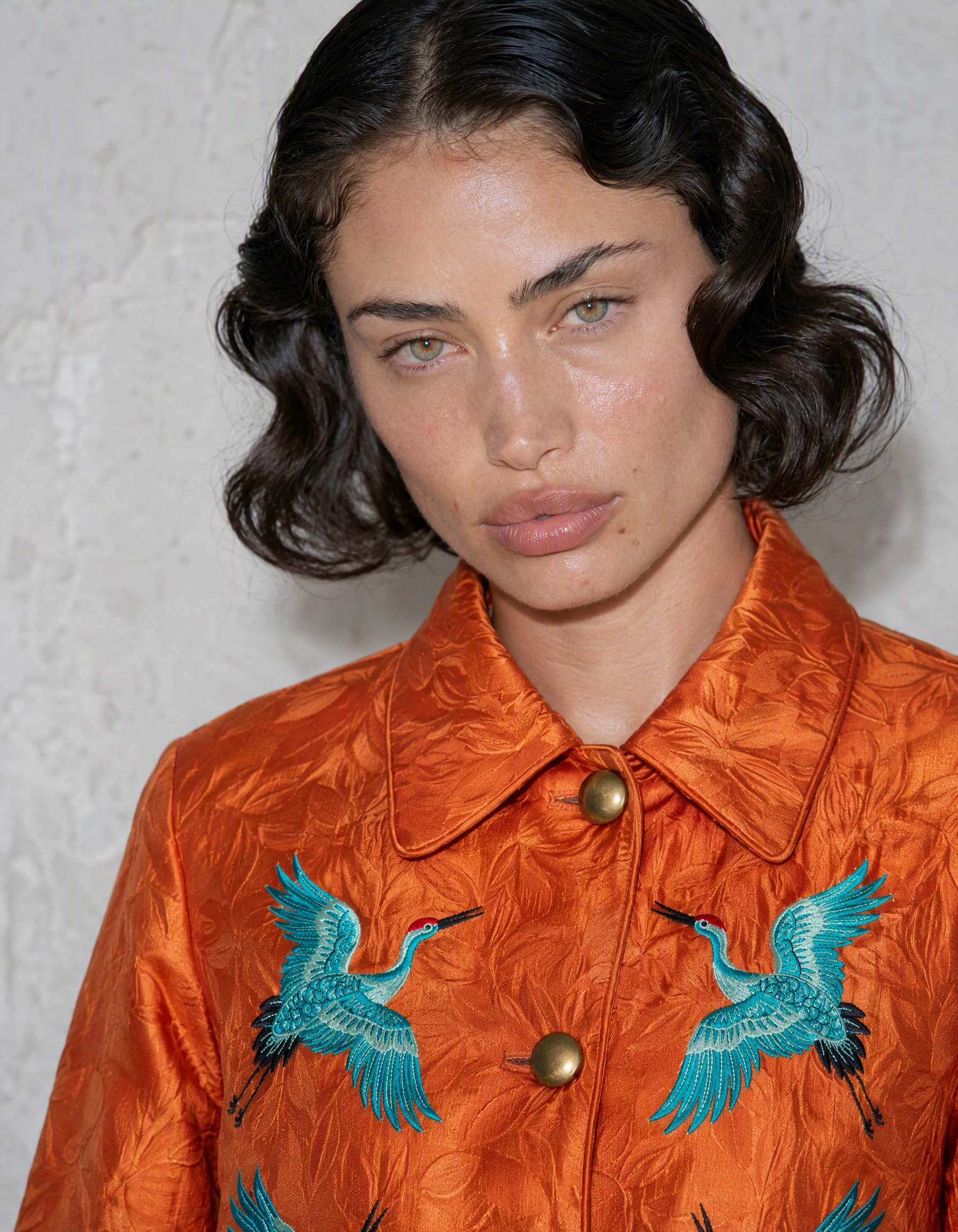
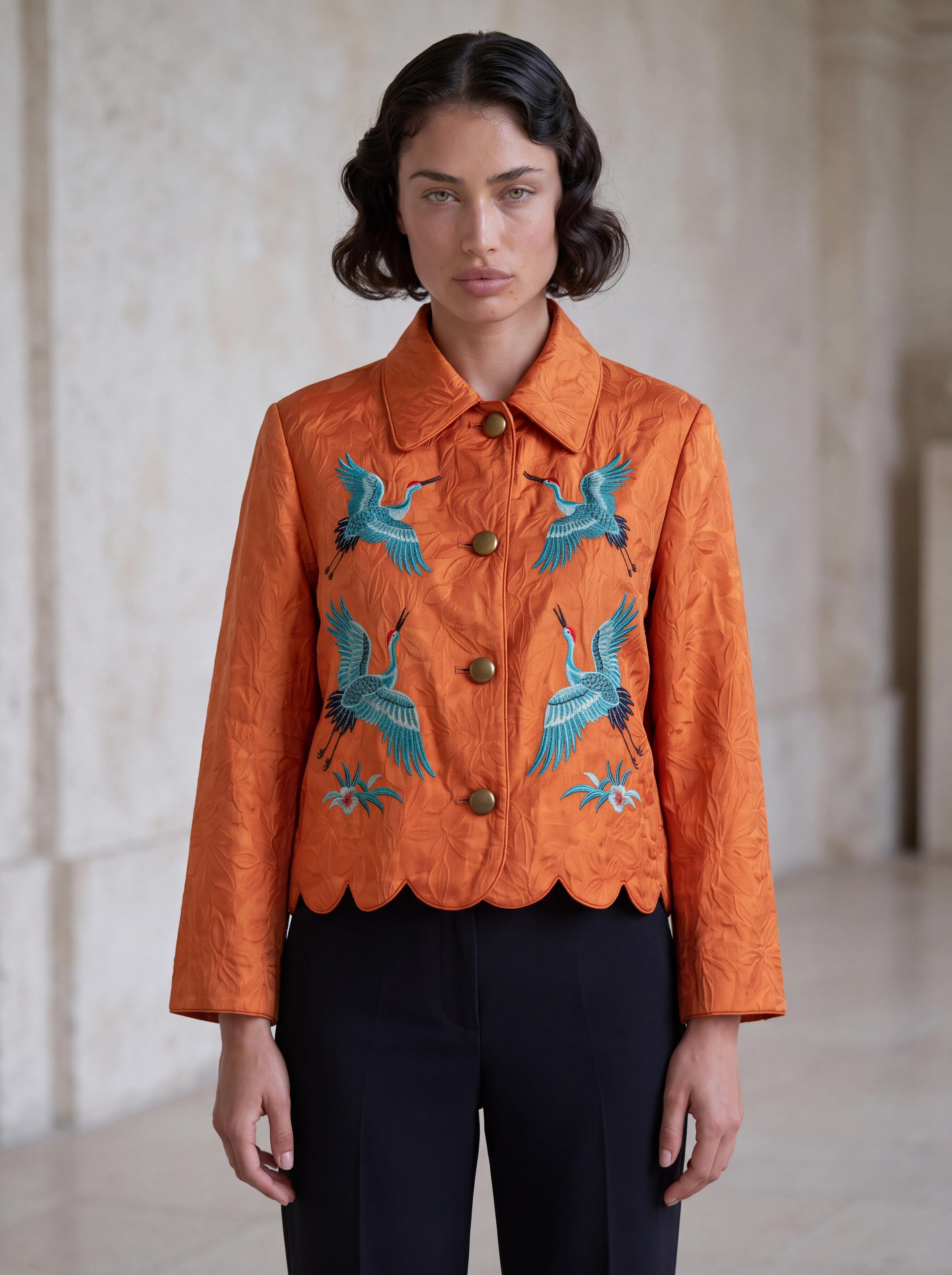
This existing Astria generation illustrates a reference-based treatment. It is not a matched competitor test or proof of catalog-wide accuracy. The cover uses a separate wide frame made from these same supplied references.
Frequently asked questions
Does Uwear save art direction?
Yes. Uwear documents saved creative direction covering look, references, model rules, product requirements, variations and QA expectations. Test how those rules behave with your garments.
Does Uwear offer automated quality checks?
Yes. Its Review and QA page describes an AI reviewer, recorded reasons and optional automatic retries. Human review is still useful when evaluating missed defects and unnecessary rejections.
Which is better for a reusable brand lookbook?
There is no tested winner in this review. Compare Uwear saved directions and Astria templates on a complete brief, then ask another operator to extend the approved collection.
Sources and methodology
Reviewed October 15, 2026. Vendor capabilities above are published claims; the pilot instructions are our assessment of what a buyer should test. The Astria illustration is an existing synthetic fixture, not a customer result or a competitor output. No measured speed, conversion or fidelity winner is claimed.
Primary sources: Uwear platform, Uwear Art Direction, Uwear Review and QA, Uwear pricing, Astria fashion offering, Astria brand workspaces. Feature scope and access can change; recheck the linked vendor pages before buying.
For the wider shortlist, see best AI fashion photography platforms.